How Much Does a Car Tune Up Cost and What Does it Include
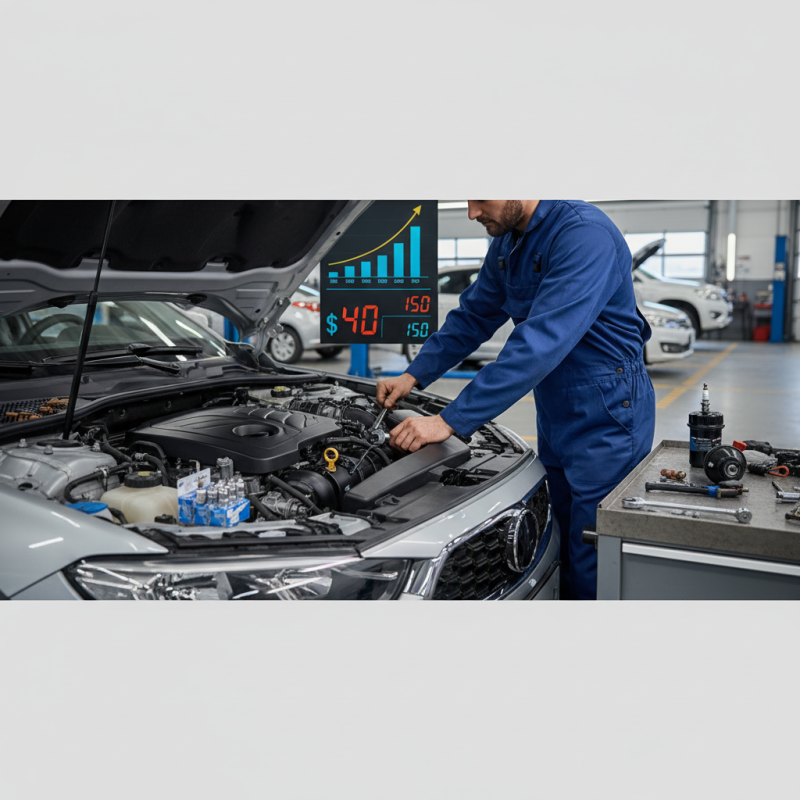
When considering vehicle maintenance, one crucial aspect that often raises questions among car owners is the car tune up cost. As vehicles accumulate miles, they require regular tune-ups to ensure optimal performance and longevity. According to a recent industry report by the Automotive Service Association, routine maintenance, including tune-ups, can significantly enhance a vehicle's fuel efficiency and reduce the likelihood of costly repairs down the road. On average, car tune-up costs can range from $40 to $150, depending on factors such as the vehicle’s make and model, and the service center's location.
Moreover, comprehensive services involved in a tune-up may include spark plug replacement, fuel filter changes, and adjustments to the engine timing and idle speed, all tailored to improve a vehicle's functionality. Reports suggest that neglecting these essential services can lead to a decrease in performance and an increase in fuel consumption by as much as 10%. Therefore, understanding the components and costs associated with a car tune-up is vital for keeping your vehicle in peak condition. This article will break down the typical expenses involved in a car tune-up and what services are generally included to help car owners make informed decisions.
Understanding Car Tune-Ups: Definition and Importance
A car tune-up is an essential aspect of vehicle maintenance, aimed at optimizing engine performance and ensuring longevity. Essentially, it refers to a series of routine checks and adjustments made to the engine and other critical components. This can include replacing spark plugs, changing air filters, inspecting ignition systems, and updating fuel injectors.
Regular tune-ups play a vital role in enhancing fuel efficiency, reducing emissions, and preventing potential breakdowns, making them a wise investment for any vehicle owner.
Tips for maintaining a well-tuned vehicle include paying attention to unusual sounds or performance hesitations while driving, as these could indicate underlying issues. Additionally, keeping up with the manufacturer’s recommended maintenance schedule can help you stay proactive rather than reactive when it comes to your car's health. Lastly, don’t overlook the importance of monitoring fluid levels and tire conditions regularly; these factors play a significant role in overall vehicle performance and safety.
In conclusion, understanding the significance of car tune-ups and their components can save you money in the long run and keep your vehicle running smoothly. Regular maintenance fosters confidence in your car’s reliability, allowing for safer and more comfortable driving experiences.
Key Services Included in a Standard Car Tune-Up
A standard car tune-up includes several key services designed to keep your vehicle running smoothly and efficiently. Typically, this process begins with an inspection of the ignition system, which comprises the spark plugs, wires, and coils. Replacing worn-out spark plugs can improve fuel efficiency and restore engine performance. Additionally, the air and fuel filters are checked and replaced if necessary, ensuring optimal airflow and fuel delivery, which are crucial for the engine's overall operation.
During a tune-up, technicians will also assess the vehicle’s fluids, including oil, coolant, brake fluid, and transmission fluid. Changing the oil and oil filter is essential as it helps maintain engine cleanliness and longevity. Furthermore, checking the battery's condition and cleaning the terminals helps prevent starting issues in the future.
**Tips:** Regularly scheduling tune-ups can prevent costly repairs down the line. It's wise to consult your vehicle's manual for specific service intervals. Additionally, keeping a maintenance log can help you stay organized and informed about what has been done and when, thereby enhancing your vehicle's reliability and performance.
Average Costs of Car Tune-Ups by Vehicle Type
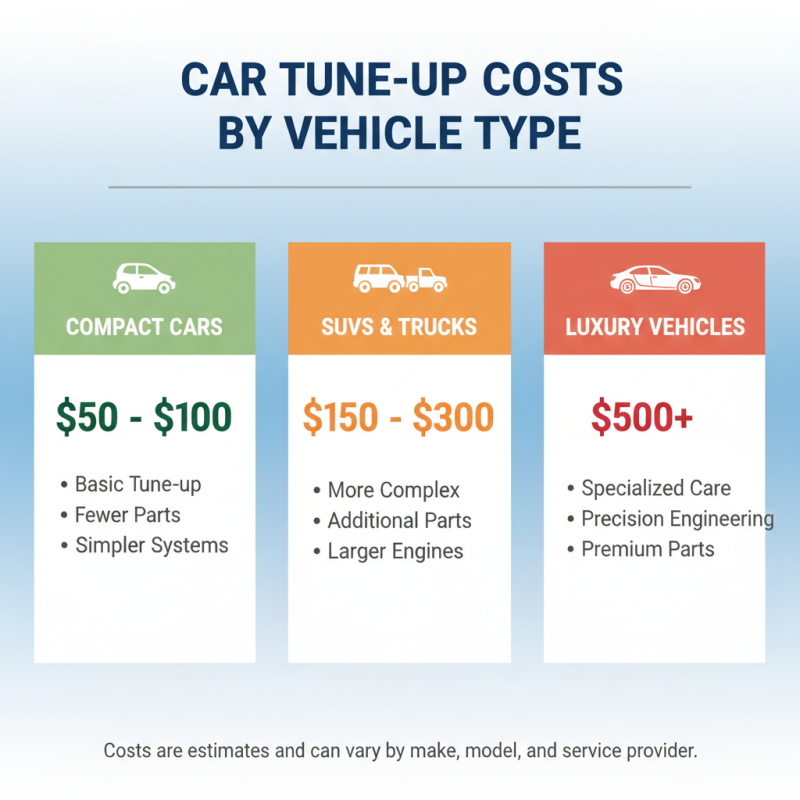
When considering a car tune-up, one of the most significant factors is the type of vehicle you own, as costs can vary considerably based on the make and model. For instance, a standard tune-up for a compact car may range from $50 to $100. In contrast, larger vehicles like SUVs and trucks often see prices between $150 and $300 due to more complex systems and additional parts that require attention. Luxury vehicles can escalate even further, with costs reaching $500 or more, reflecting the specialized care and precision required.
Tips for saving on tune-up costs include shopping around for mechanics, looking for package deals, and considering timing. Many repair shops offer promotions or discounts during specific seasons, so keeping an eye out for these can yield savings. Additionally, performing routine maintenance, such as regular oil changes and air filter replacements, can keep you ahead of major issues and reduce the frequency of large tune-up bills. Always consult your vehicle’s owner manual for a recommended maintenance schedule to ensure that you address key components when needed.
Factors Influencing the Cost of a Car Tune-Up
The cost of a car tune-up can vary significantly depending on several key factors that motorists should consider. One of the primary influences on the price is the type of vehicle being serviced. According to a recent report from the Automotive Service Association, luxury and foreign vehicles tend to require more specialized parts and labor, often resulting in prices that can be 20-40% higher than domestic models. Additionally, the age and condition of the vehicle play a crucial role; older cars may need more extensive work or replacement parts, which can drive up the overall cost of the tune-up.
Geographical location is another important factor that affects the price of a car tune-up. A survey conducted by the National Institute for Automotive Service Excellence indicated that urban areas typically have higher labor rates due to greater demand and overhead costs. For instance, a tune-up in major cities can range from $100 to $400, while the same service in rural areas might fall in the $50 to $250 range. Seasonal fluctuations can also impact pricing, with increased demand for tune-ups before long road trips, potentially leading to higher costs during peak travel seasons. Understanding these factors can help consumers anticipate the costs and make informed decisions when seeking maintenance for their vehicles.
How Much Does a Car Tune Up Cost and What Does it Include
| Service Type |
Average Cost ($) |
Included Items |
Estimated Duration (Hours) |
| Basic Tune-Up |
50 - 150 |
Spark plugs, Wires, Air filter |
1 - 2 |
| Full Tune-Up |
150 - 500 |
Spark plugs, Wires, Air filter, Fuel filter, PCV valve |
2 - 4 |
| Engine Diagnostics |
100 - 200 |
Computer scan, Diagnostic test |
1 |
| Fluid Change |
50 - 120 |
Oil change, Coolant change |
0.5 - 1 |
| Timing Belt Replacement |
300 - 1,000 |
Timing belt, Water pump (if needed) |
3 - 6 |
When to Schedule a Tune-Up for Optimal Vehicle Performance
When it comes to maintaining your vehicle’s performance, scheduling a tune-up is crucial. Experts recommend that car owners consider a tune-up every 30,000 miles or so, although this can vary depending on the vehicle's make, model, and driving conditions. Regular tune-ups not only enhance engine performance but also improve fuel efficiency, potentially saving drivers significant costs over time. According to the Car Care Council, a well-maintained vehicle can achieve up to 25% better fuel economy, underscoring the importance of timely maintenance.
Routine tune-ups often include a comprehensive inspection of critical components such as the spark plugs, ignition system, air and fuel filters, and various fluid levels. Additionally, checking belts, hoses, and battery condition can prevent unexpected breakdowns. A study by the Automotive Aftermarket Industry Association (AAIA) highlights that regular preventive maintenance can extend vehicle life by 25% and significantly reduce the likelihood of costly repairs down the road.
Tips for optimal vehicle performance include not only staying on schedule with tune-ups but also maintaining proper tire pressure and regularly checking oil levels. Keeping your tires properly inflated can improve fuel efficiency by up to 3%, while regular oil changes can enhance engine longevity. Remember, addressing minor issues early on prevents them from escalating into major problems that require more complex repairs.