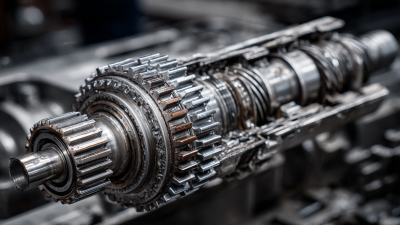
Top 10 Common Transmission Repairs Every Car Owner Should Know
Understanding transmission repairs is crucial for every car owner. According to John Smith, a leading expert in automotive mechanics, "Ignoring transmission issues can lead to costly repairs." It's true; many drivers overlook these vital components until it’s too late.
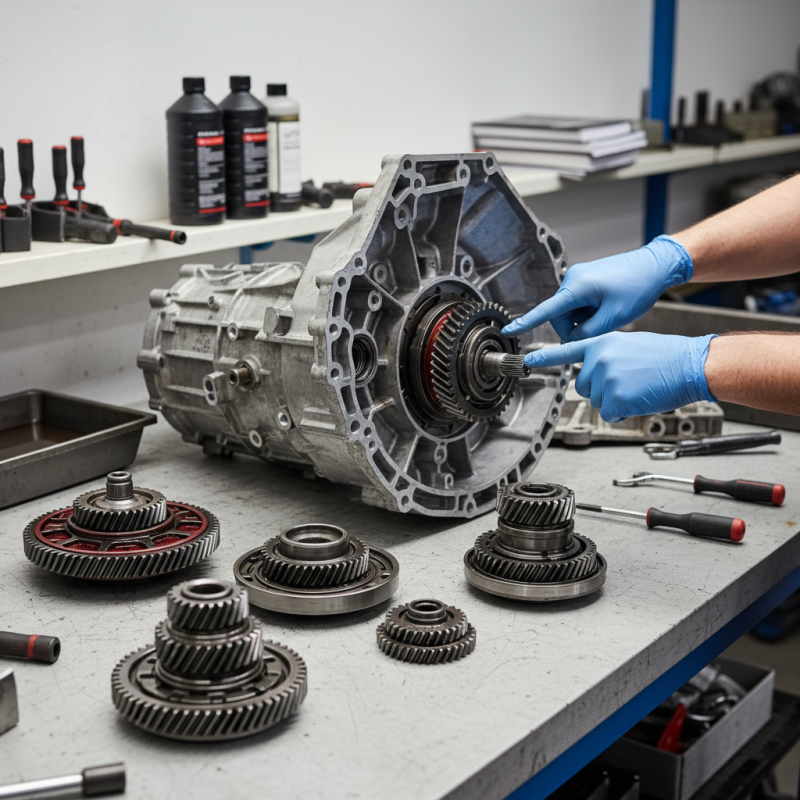
Transmission repairs can often be complex. They involve various parts, including gears and fluid systems. A small problem can escalate into a significant failure. This is where knowledge becomes power for vehicle owners.
Many drivers feel overwhelmed when faced with transmission problems. They don't know where to start. Knowing the common issues can help in making informed decisions. It’s not just about fixing; it’s about preventing future headaches.
Common Signs of Transmission Issues Every Car Owner Should Recognize
Transmission issues can arise unexpectedly. It's crucial for car owners to recognize signs of trouble early. Here are some common indicators that your transmission may need attention.
One warning sign is slipping. This occurs when the engine revs up, but the car does not accelerate as expected. It's frustrating and can indicate serious problems. Another sign is leaking fluid. If you notice reddish or brown fluid under your vehicle, it’s a clear sign of a potential issue. Ignoring such leaks can lead to costly repairs.
Strange noises from the transmission are another red flag. Grinding, clunking, or whining sounds should prompt an immediate inspection. Additionally, if your gears hesitate to engage, it could indicate a malfunction. These signs may seem small, but they can lead to major repairs if ignored.
**Tips:** Regularly check your transmission fluid levels. Clean fluid is typically a bright red color. Also, pay attention to your car’s behavior. If it feels different, take note. Early detection can save you time and money. If you experience any of these symptoms, don’t hesitate to have your vehicle checked. Your safety on the road depends on a well-functioning transmission.
Essential Tools for Diagnosing Transmission Problems Effectively
When dealing with transmission issues, having the right tools is crucial. Essential diagnostic tools can save time and money. OBD-II scanners are a must-have for any vehicle owner. They help identify fault codes that reveal transmission problems. According to industry reports, approximately 25% of vehicle issues stem from transmission failures. Without proper diagnosis, repairs could be off-base.
Another important tool is a pressure gauge. This device measures hydraulic pressure within the transmission system. Inadequate pressure often leads to shifting issues. A survey by automotive experts indicates that many DIYers overlook this tool. Proper measurement can tell you if there’s a deeper issue at play. Basic hand tools like wrenches and sockets are necessary for adjustments, too. Proficiency with these tools is vital to preventing further damage.
Many vehicle owners skip these diagnostics, leading to costly repairs. A Fluid Analyzer can also be beneficial, revealing the condition of the transmission fluid. In fact, a fluid change is often a preventative measure that some forget. Always remember, effective diagnosis can make all the difference. Having the right tools can prevent future headaches.
Top 10 Common Transmission Repairs Every Car Owner Should Know
Step-by-Step Guide to Fluid Maintenance and Changes
Regular fluid maintenance is vital for your vehicle's transmission health. A well-maintained transmission fluid can extend the life of your car's transmission. According to a report by the National Institute for Automotive Service Excellence, about 50% of transmission issues stem from fluid problems. Ensuring the right fluid level and quality is crucial.
Start by checking the transmission fluid level monthly. Most vehicles have a dipstick for this purpose. If the fluid appears dark or has a burnt smell, it’s time for a change. Industry experts recommend replacing the fluid every 30,000 to 60,000 miles, depending on driving conditions. Keeping the fluid clean prevents sludge buildup. Dirty fluid can lead to overheating and costly repairs.
When changing the fluid, use the recommended type. Some vehicle manuals suggest specific transmission fluids. Neglecting this can result in improper lubrication. Many owners overlook this detail, resulting in decreased efficiency. Consider having a professional inspect the transmission system regularly. This proactive approach can save you from future headaches and high repair costs. Ignoring signs of wear can lead to significant issues down the line. A small investment in maintenance pays off in the long run.
Understanding Common Transmission Repairs and Their Costs
Transmission issues can be daunting for car owners. Understanding common transmission repairs is essential for managing costs effectively. One prevalent problem is fluid leaks, which may seem minor initially. However, they can escalate quickly if ignored. Detecting and repairing these leaks early can save you hundreds of dollars in potential damages.
Another common repair involves replacing the transmission filter. This component helps ensure that your transmission runs smoothly by trapping dirt and debris. If it becomes clogged, you may notice strange noises or shifting issues. The replacement cost is often reasonable compared to the risk of more severe problems. It’s a small investment that offers peace of mind.
Lastly, slipping gears can be concerning. When your vehicle struggles to maintain speed or unexpectedly changes gears, it’s time to consult a professional. Costs for fixing slipping gears can vary significantly, depending on the root cause. Addressing this issue promptly can prevent more complex repairs down the line. Reflecting on these repairs reminds us: prevention is key. Regular maintenance is always better than costly fixes.
Tips for Choosing a Reliable Mechanic for Transmission Work
When choosing a mechanic for transmission work, start by assessing their
experience. A mechanic with
years of experience likely
knows the intricacies of various vehicle models. Look for
certifications that indicate proper training.
Ask questions about their repair process.
A knowledgeable mechanic should explain their method clearly.
Check
online reviews and ratings from previous clients.
Positive feedback is a good sign. However, be cautious of mechanics with only glowing reviews.
Balance is key. Consider contacting past clients for their opinions.
A reliable mechanic should have no problem providing
references. Trust your instincts. If something feels off
during your interaction, don't hesitate to seek another option.
Transparency is crucial. A trustworthy
mechanic will provide detailed estimates and be upfront about potential issues. Pay attention
to how they communicate. Do they listen to your concerns?
Mechanic-client rapport matters. A mechanic who values
your input is more likely to do quality work. It's worth taking the extra time to choose wisely.