What is Differential Repair and How Does it Impact Your Vehicle Performance
When it comes to maintaining your vehicle's performance and longevity, understanding the intricacies of differential repair is crucial. The differential is a vital component that allows your vehicle's wheels to rotate at different speeds, particularly while turning. This function enhances driving stability and control, making differential repair a critical aspect of automotive maintenance. Neglecting this part of your vehicle can lead to a range of issues, impacting not just performance but also safety on the road.
In this article, we will explore what differential repair entails, and why it is essential for optimal vehicle performance. We will delve into the common signs that indicate your differential may require attention and discuss the potential consequences of ignoring necessary repairs. By understanding the importance of this component and how its maintenance can affect your overall driving experience, you can take proactive steps to ensure your vehicle runs smoothly and efficiently. Ultimately, timely differential repair can lead to significant improvements in performance, safety, and long-term reliability.
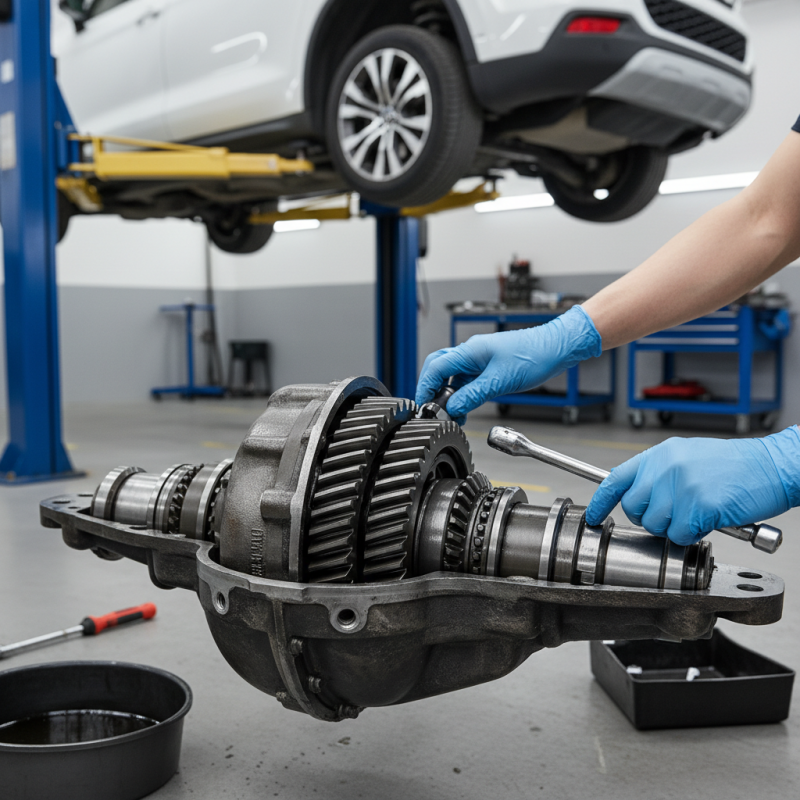
What is Differential Repair in Automotive Context?
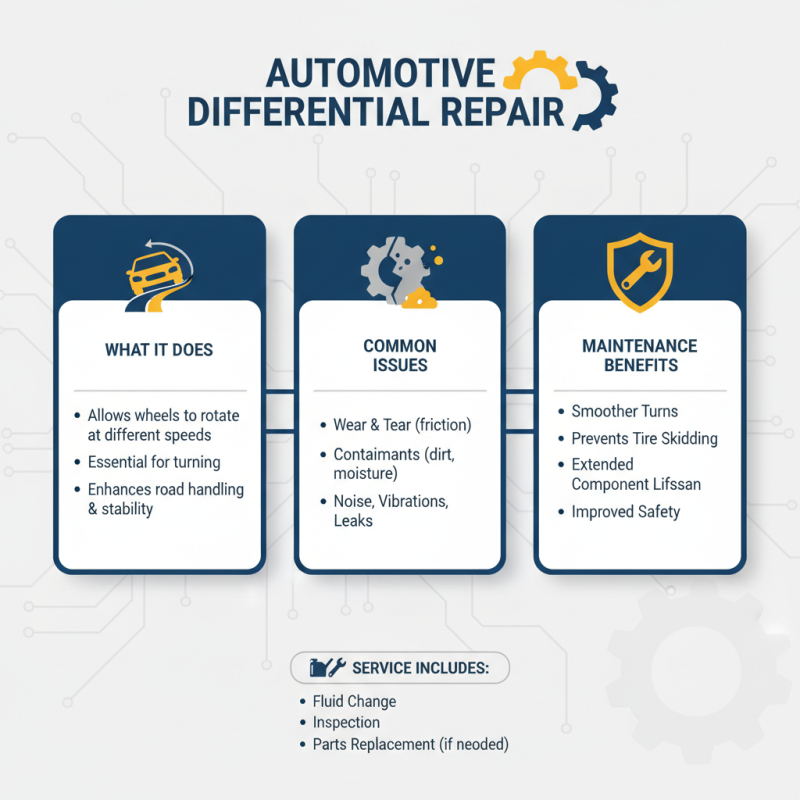
Differential repair in the automotive context refers to the maintenance and servicing of the differential system, a crucial component in most vehicles that enhances road handling and stability. The differential allows wheels to rotate at different speeds, which is essential when a vehicle turns, as it prevents tire skidding and promotes smoother navigation of curves. Over time, the differential can experience wear and tear due to the friction generated by its moving parts, as well as exposure to contaminants such as dirt and moisture.
Regular differential maintenance often involves inspecting and replacing differential fluid, which lubricates the gears and prevents overheating. A well-maintained differential not only improves the vehicle's performance but also extends the lifespan of crucial components, promoting better fuel efficiency and overall handling. If neglected, differential issues can lead to significant problems, including strange noises, vibrations, and ultimately, complete failure of the system. Thus, understanding the importance of differential repair is vital for any vehicle owner looking to maintain optimal performance and ensure safety on the road.
The Importance of Differential in Vehicle Performance
The differential is a crucial component in a vehicle’s drivetrain, playing a key role in its overall performance. By allowing the wheels to rotate at different speeds, the differential enhances stability, especially during turns. This capability is essential for maintaining traction and control, particularly in challenging driving conditions such as wet or uneven terrain. If the wheels were forced to rotate at the same speed, it could lead to excessive tire wear, loss of grip, and jeopardized safety.
Moreover, the performance of a vehicle's differential directly impacts its acceleration and maneuverability. A well-functioning differential allows for smoother power delivery to the wheels, which is essential for optimizing engine performance. This mechanical advantage not only improves handling but also contributes to better fuel efficiency, as the engine does not need to work as hard to compensate for poor wheel dynamics. Consequently, regular maintenance of the differential is vital, ensuring that it operates efficiently and supports the vehicle’s overall performance objectives.
Common Signs Indicating Differential Repair is Needed
When it comes to vehicle performance, the differential plays a crucial role in distributing power to the wheels, allowing them to turn at different speeds, especially during cornering. However, certain signs can indicate that your differential is in need of repair. One of the most noticeable indicators is unusual noises while driving, such as grinding, whining, or clunking sounds coming from the rear or front axle area. These noises often suggest that the gears or bearings within the differential are worn out and require immediate attention.
Another common sign to watch for is a vibration that occurs while driving. If you feel a steady shake or vibration emanating from the vehicle, it may indicate an imbalance or damage within the differential components. Additionally, if you notice fluid leaks under your vehicle, particularly in the areas around the differential, it is a strong signal that seals may be compromised or that the fluid levels are low. Regularly checking for these signs can help ensure that your differential remains in good condition, promoting better vehicle performance and longevity.
What is Differential Repair and How Does it Impact Your Vehicle Performance
| Sign of Differential Issues |
Possible Impact on Vehicle Performance |
Recommended Action |
| Unusual noises (clunking, grinding) |
Reduced traction and handling issues |
Schedule a differential inspection |
| Vibration while driving |
Impaired stability and control |
Check for differential fluid leaks |
| Fluid leaks |
Potential for complete differential failure |
Replace seals and refill fluid |
| Difficulty turning |
Reduced maneuverability and increased tire wear |
Inspect differential gearing |
| Burning smell |
Risk of overheating and damage to components |
Check fluid condition and change as needed |
Step-by-Step Process of Differential Repair
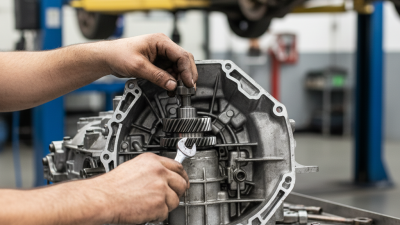
Differential repair is a crucial maintenance task that can significantly influence a vehicle's performance. The process involves several steps that are essential to restoring the differential's functionality. First, a thorough inspection is performed to identify any issues such as fluid leaks, abnormal noises, or uneven wear. Once the problem is diagnosed, the vehicle's differential fluid is drained, and the housing is disassembled to access the gears. This step allows the mechanic to inspect the condition of all components, including the ring and pinion gears, which are critical for smooth operation.
After the inspection, any damaged parts must be replaced. This often includes bearings, seals, and gears. Once new components are installed, the differential is reassembled, and fresh fluid is added. It’s essential to ensure that the fluid meets manufacturer specifications, as using improper fluids can lead to rapid wear and more extensive repairs. Regular maintenance can extend the life of the differential and enhance performance significantly, with studies showing that vehicles with well-maintained differentials have improved fuel efficiency and smoother acceleration.
Tips for ensuring a successful differential repair include regularly checking fluid levels and conditions, as low or contaminated fluid can lead to severe gear wear. Additionally, address any unusual noises or handling changes immediately, as these could be early warning signs of differential issues. Keeping up with routine inspections by a qualified technician can also prevent costly repairs down the line and maintain optimal vehicle performance.
Differential Repair Impact on Vehicle Performance
This chart illustrates the vehicle performance score before and after differential repair. A noticeable improvement can be seen, reflecting the positive impact of proper maintenance and repair on vehicle performance.
Potential Impacts of Proper vs. Improper Differential Repair
Proper differential repair is crucial for maintaining optimal vehicle performance. A well-functioning differential allows for smooth and efficient power transfer from the engine to the wheels, ensuring better handling, traction, and fuel efficiency. When the differential is repaired correctly, it ensures that the gears mesh properly, reduces friction, and minimizes wear and tear on surrounding components. This attention to detail not only extends the lifespan of the differential itself but also enhances the overall driving experience by ensuring that the vehicle responds reliably to the driver’s commands.
Conversely, improper differential repair can lead to significant mechanical issues and safety concerns. Inadequate repairs may not align the gears accurately, causing increased noise, vibrations, and even complete failure of the differential over time. This can result in compromised traction, making it difficult for the vehicle to navigate different terrains or weather conditions. Moreover, the ripple effects of a poorly repaired differential can impact transmission performance, potentially leading to costly repairs down the line. Thus, ensuring that differential repair is performed by qualified professionals is essential for safeguarding both the performance and safety of the vehicle.