Top Tips to Fix Cars Like a Pro at Home?
Fixing cars at home can be a rewarding experience. Many car owners want to save money and learn new skills. With the right tips, you can fix cars like a pro.
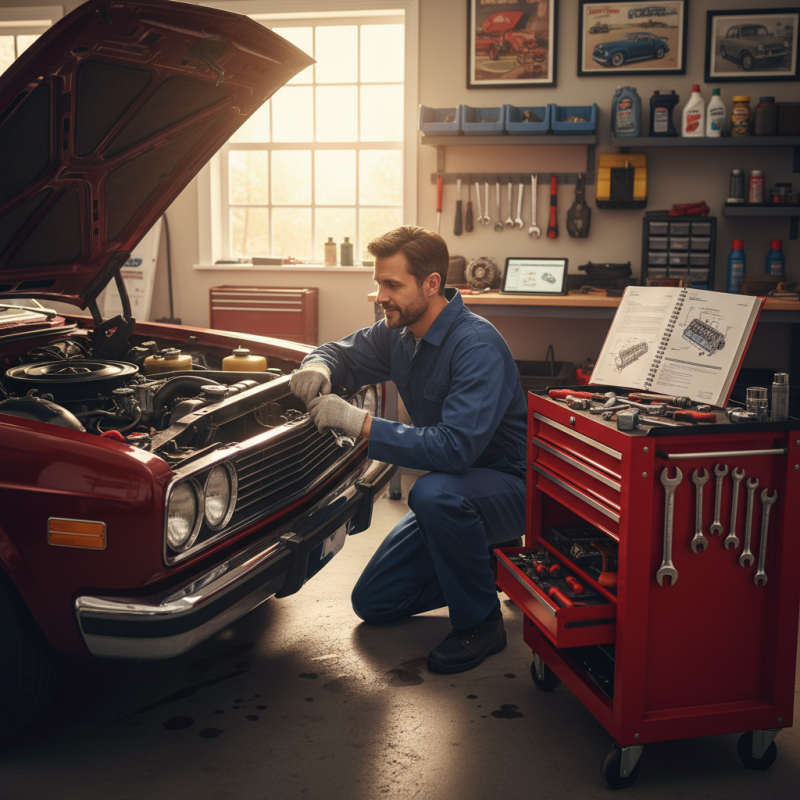
Start with basic tools and a repair manual. These are essential for any DIY project. You need to understand your car's specific needs. Every model has unique features that require attention.
Mistakes will happen. It’s part of the learning process. Not every attempt will lead to success. Reflecting on errors is crucial for growth. Over time, you will gain confidence in your abilities. Fixing cars can transform from a simple task to an enjoyable hobby.
Essential Tools for Home Automotive Repairs
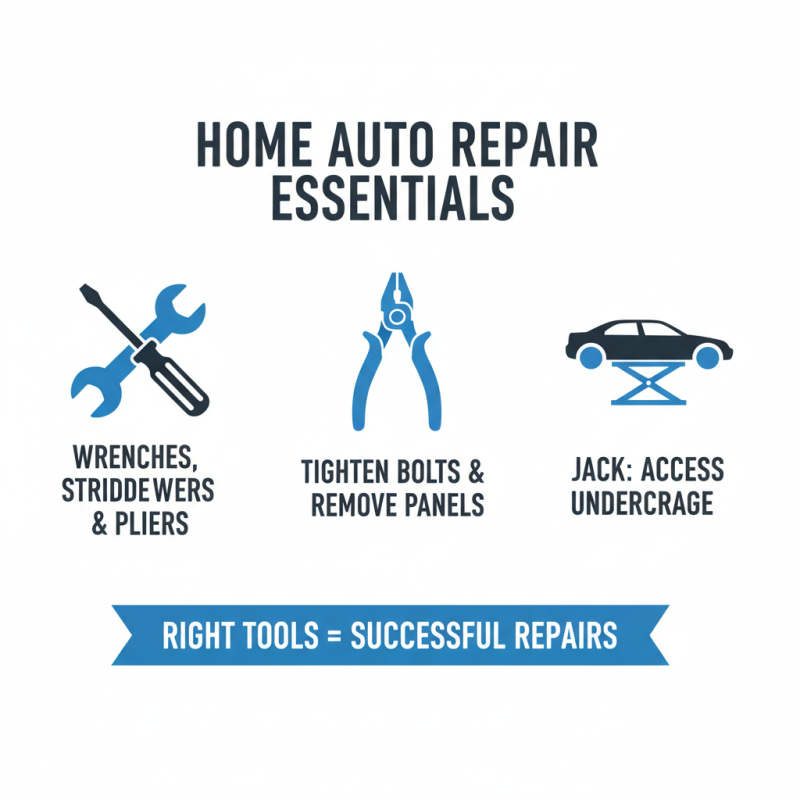
When it comes to home automotive repairs, having the right tools is crucial. A basic tool set should include wrenches, screwdrivers, and pliers. These items allow you to tackle various tasks, from tightening bolts to removing panels. A good jack is also essential. It helps lift the car safely to access the undercarriage.
Additionally, consider investing in a torque wrench. This tool ensures that bolts are tightened to the manufacturer’s specifications. It may seem insignificant, but over-tightening can lead to stripped threads. In contrast, under-tightening can cause parts to come loose. Mistakes happen, and learning from them is part of the journey.
Don't overlook the importance of safety gear. Gloves and safety glasses protect your hands and eyes. Working on cars can be messy. You might end up with grease marks on your clothes. It’s part of the process. Each repair is a lesson learned, even if it doesn’t go as planned. Embrace the challenges and enjoy fixing your vehicle at home.
Understanding Basic Car Mechanics and Systems
Understanding basic car mechanics and systems is essential for home repairs. Most car owners can benefit from knowing how their vehicles operate. A recent industry report indicates that 70% of car issues are related to basic systems like electrical or braking. When you grasp these fundamentals, you can tackle simple repairs.
Take the electrical system as an example. It consists of the battery, alternator, and wiring. You might find a corroded battery terminal. Cleaning it may solve your starting problems. Simple tools like a wrench and some baking soda can work wonders. However, not everyone feels confident with wiring. It’s easy to cause more issues if you're not careful.
Another key area is the braking system. The average cost to replace brake pads is around $150 to $300. Learning to inspect wear and tear can save you money. You need a jack, stands, and a wrench. Yet, improperly securing the vehicle could lead to accidents. Always follow safety measures. Gaining insights into these systems will make you a more effective DIY mechanic.
Step-by-Step Guide to Common Car Repairs
When tackling common car repairs at home, always begin with safety. Wear gloves and goggles to protect yourself. Ensure the car is on a flat surface. Check that the engine is cool before starting work. Many people overlook this, leading to accidents. Keep your tools organized. It makes finding what you need easier and prevents frustration.
Changing oil is a manageable task. Gather your supplies: oil filter, wrench, and a container for old oil. Drain the old oil into the container. Ensure you dispose of it properly. This process can be messy. If oil spills, clean it immediately to avoid slipping. Many individuals struggle with this step due to inexperience. Be patient. You can always consult online tutorials if needed.
For brake pad replacement, inspect the pads for wear. If they’re thin, it’s time to replace them. Loosen the wheel lug nuts first. Use a jack to lift the car safely. Many struggle with the jack or forget to loosen the nuts first. Watch a few videos to grasp the technique. Take your time and double-check your work. Small mistakes can lead to big issues down the road.
Top Tips to Fix Cars Like a Pro at Home
Safety Precautions When Working on Your Vehicle
When working on your vehicle, safety must be your top priority. Always wear gloves and safety glasses. These simple measures can prevent injuries from sharp tools and fluid splashes. Make sure your workspace is well-lit and organized. A cluttered environment may lead to accidents. Keep a fire extinguisher nearby, especially if you're working with flammable materials.
Before starting any repair, disconnect the battery. This reduces the risk of electric shocks. When lifting the car, use stable jack stands, never rely on the jack alone. It’s essential to ensure that the vehicle is secure before crawling underneath. Always remember that even minor tasks can lead to severe injuries if not done carefully.
Moreover, don’t hesitate to ask for help. It’s okay to struggle with a specific task. Seeking advice from more knowledgeable friends can enhance your skills. Document your processes, even mistakes, for future reference. Every repair is a learning opportunity. Embrace the imperfections and focus on improving your technique.
Top Tips to Fix Cars Like a Pro at Home - Safety Precautions When Working on Your Vehicle
| Tip No. |
Safety Precaution |
Description |
| 1 |
Wear Protective Gear |
Always wear gloves, safety goggles, and a mask to protect yourself from hazardous materials and debris. |
| 2 |
Use the Right Tools |
Having the correct tools for the job prevents accidents and ensures effective repairs. |
| 3 |
Work in a Well-Ventilated Area |
Ensure the area is well-ventilated to avoid inhaling toxic fumes from car fluids. |
| 4 |
Keep a Fire Extinguisher Handy |
Having a fire extinguisher nearby is crucial when working with flammable liquids. |
| 5 |
Disconnect the Battery |
Always disconnect the battery before working on electrical systems to avoid shocks. |