Why Is the Rear End Differential Important for Vehicle Performance?
The rear end differential is a critical component in vehicle performance, serving as the backbone of the drivetrain that enables effective power distribution to the wheels. Expert engineer Richard Lawson, who has over two decades of experience in automotive technology, emphasizes this point succinctly: “The rear end differential is not just a component; it’s the heart of a vehicle's handling and traction capabilities.” This underscores the pivotal role that a well-functioning rear end differential plays in optimizing a vehicle’s performance under various driving conditions.
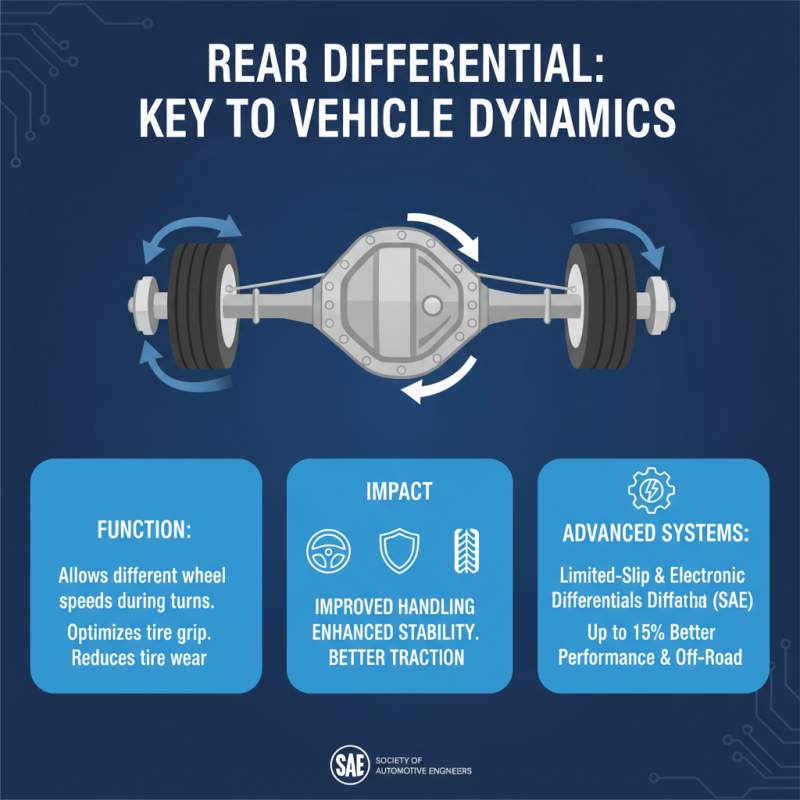
In essence, the rear end differential allows for differences in wheel speed during turns, ensuring that power is effectively managed for enhanced stability and control. When tuning or upgrading their vehicles, enthusiasts often pay close attention to the specifications and configurations of the rear end differential, recognizing that its design can significantly influence acceleration, cornering, and overall driving experience. Therefore, understanding the intricacies of the rear end differential is fundamental for anyone looking to improve their vehicle’s performance, highlighting its importance in both everyday driving and competitive scenarios.
Importance of Rear End Differential in Vehicle Dynamics
The rear end differential plays a crucial role in the overall dynamics of a vehicle, significantly impacting handling, stability, and traction. This component allows for the differential speed of the rear wheels during turning, which is essential for optimizing tire grip and reducing tire wear. According to the Society of Automotive Engineers (SAE), vehicles equipped with advanced rear differentials, such as limited-slip differentials or electronic differentials, demonstrate up to a 15% improvement in cornering performance compared to standard setups. This enhancement is vital for performance vehicles and off-road capabilities, where wheel slip and traction control are critical.
Moreover, the design and functionality of the rear end differential directly affect weight distribution and balance of the vehicle. A well-optimized differential can contribute to a more predictable and responsive driving experience. The International Journal of Vehicle Design reported that vehicles with an optimal rear differential setup gain improved lateral stability by as much as 20% under aggressive cornering conditions. This contributes to enhanced driver confidence and safety, especially in high-speed maneuvers. Understanding these dynamics is essential for engineers and automotive designers striving to create vehicles that not only perform well but also provide a seamless driving experience across varying conditions.
Role of Rear End Differential in Power Distribution
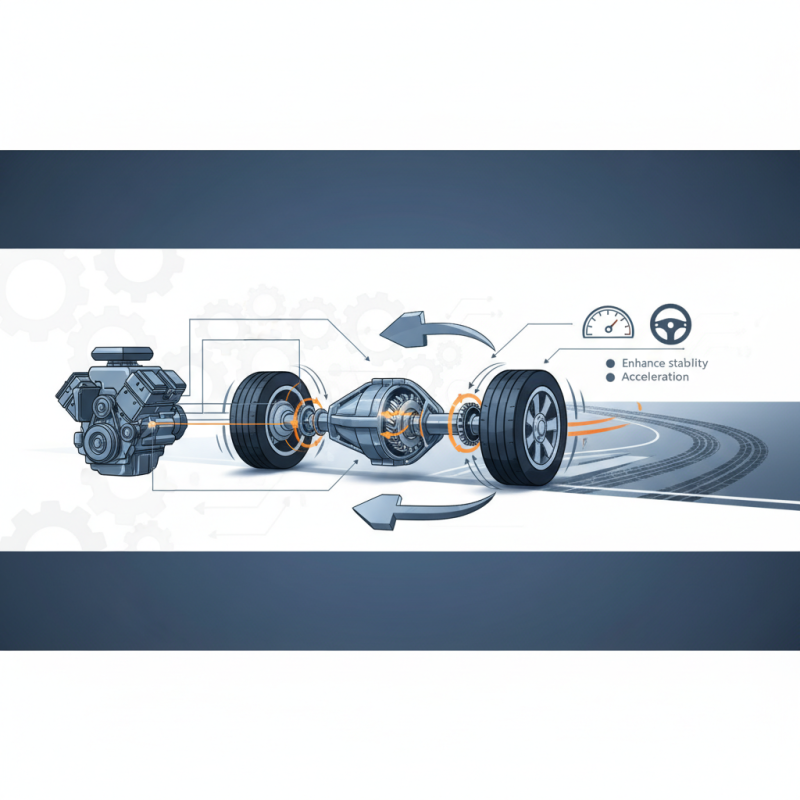
The rear end differential plays a crucial role in the power distribution of a vehicle, acting as the intermediary between the engine's output and the wheels. It enables the power generated by the engine to be distributed to the rear wheels efficiently while allowing them to rotate at different speeds, particularly during turns. When a vehicle corners, the wheels on the outside travel a greater distance than those on the inside. The differential compensates for this difference in speed, ensuring smoother handling and maintaining traction on all wheels.
Additionally, the functionality of the rear end differential contributes to the overall performance and stability of the vehicle. By effectively managing torque distribution, it enhances the vehicle's ability to accelerate, corner, and maintain control under various driving conditions. A well-designed differential not only improves performance but also minimizes tire wear, providing a longer lifespan for the tires. Overall, the rear end differential is essential for optimizing both the efficiency and the driving experience of a vehicle, ensuring that power is harnessed effectively for dynamic driving scenarios.
Why Is the Rear End Differential Important for Vehicle Performance? - Role of Rear End Differential in Power Distribution
| Dimension |
Description |
Impact on Performance |
| Type |
Open, Limited-Slip, or Locking Differential |
Determines how power is distributed between wheels, affecting traction and handling. |
| Gear Ratio |
The ratio of the number of teeth on the drive gear to the number of teeth on the driven gear |
Influences acceleration and top speed; higher ratios offer better acceleration. |
| Material |
Quality and type of materials used in construction |
Affects durability and ability to handle torque without failure. |
| Maintenance |
Frequency and type of maintenance performed |
Regular maintenance ensures optimal performance and longevity. |
| Installation Angle |
Angle at which the differential is installed |
Can affect gear wear, friction, and overall efficiency of power distribution. |
Impact of Rear End Differential on Traction and Handling
The rear end differential plays a crucial role in how a vehicle handles and maintains traction, which directly influences overall performance. By allowing for the differentiation of wheel speeds between the left and right rear wheels, the differential enables smoother turns and better control during cornering. When a vehicle navigates a curve, the outer wheel must travel a longer distance than the inner wheel. The rear end differential accommodates this difference, helping to avoid tire scrubbing and ensuring that both wheels operate efficiently.
Moreover, the design and functionality of the rear end differential significantly impact traction, particularly in varying road conditions. For instance, in slippery situations, such as rain or snow, a vehicle equipped with a limited-slip or locking differential can provide enhanced traction by distributing power more evenly to the wheels based on their grip. This capability is essential for maintaining stability and preventing wheel spin, which is vital for both safety and performance. Ultimately, the rear end differential is integral to a vehicle's ability to perform well under diverse driving conditions, making it a key component for any serious automotive enthusiast.
Impact of Rear End Differential on Traction and Handling
Effects of Differential Design on Vehicle Performance Metrics
The differential is a critical component in a vehicle's drivetrain, significantly influencing performance metrics such as traction, handling, and stability. The design of the rear end differential impacts how power is distributed to the wheels, which can affect acceleration and cornering capabilities. For instance, a limited-slip differential can enhance grip during acceleration by allowing the wheels to rotate at different speeds while maintaining traction.
According to a study by the Society of Automotive Engineers, vehicles equipped with limited-slip differentials experienced up to 20% better performance in handling tests compared to those with open differentials, particularly in dynamic driving conditions.
In addition to traction, the geometry of the differential also plays a role in weight distribution and overall vehicle balance. A lightweight, well-engineered differential can lower the center of gravity, thus improving handling characteristics. The International Journal of Automotive Engineering reported that optimized differential designs can contribute to a 5-10% improvement in lap times on racetracks, highlighting the importance of differential configurations in competitive environments. Ultimately, the differential's design not only affects performance metrics but also contributes to the overall driving experience, making it a vital consideration in vehicle design and engineering.
Maintenance Considerations for Rear End Differentials in Vehicles
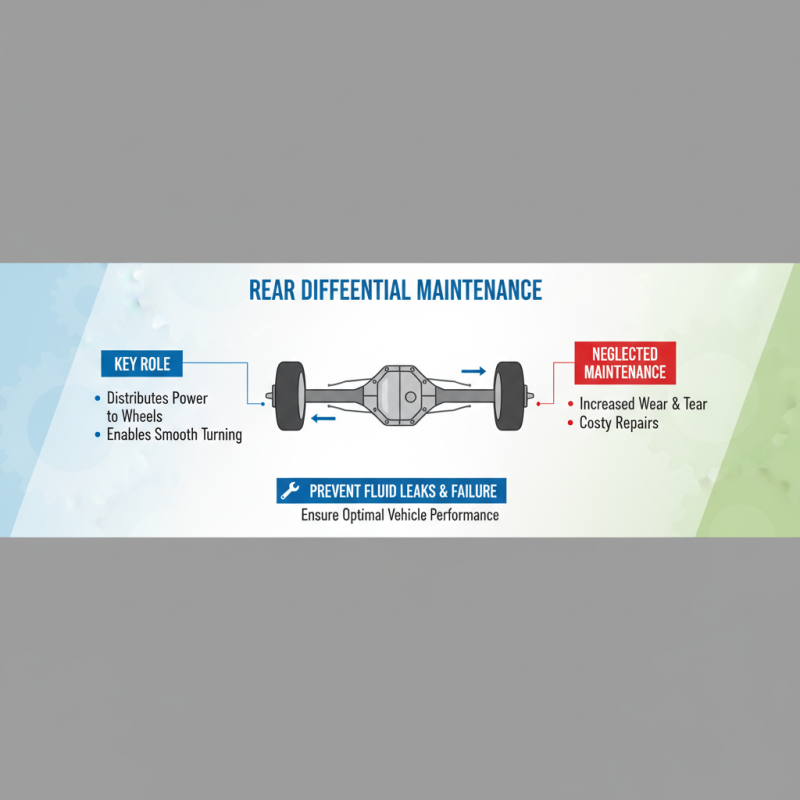
Maintaining the rear end differential is crucial for ensuring optimal vehicle performance. Differential systems play a key role in distributing power to the wheels, allowing for smooth turns and efficient power transfer. According to a report by the Automotive Repair Association, neglecting differential maintenance can lead to increased wear and tear, resulting in costly repairs. Regular checks can help prevent issues such as fluid leaks, which, if left unaddressed, may lead to differential failure.
In terms of maintenance, vehicle owners should be aware of the signs that indicate a need for differential service. A report from the Society of Automotive Engineers indicates that nearly 30% of vehicles experience a noticeable increase in noise or vibration when the differential is not functioning properly. Regularly checking the differential fluid levels and ensuring that the fluid is changed every 30,000 to 50,000 miles can significantly extend the life of the differential. Additionally, using high-quality lubricants can help mitigate friction and heat, further improving the vehicle's overall performance. By prioritizing these maintenance considerations, vehicle owners can enhance safety and reliability on the road.