Auto Repair Shop In Plainfield, IL
Choosing among the 2026 best auto repair programs requires more than comparing tuition fees. Global buyers need practical training, credible certification, and skills that match modern vehicles. A program may look impressive online, yet offer limited workshop access or outdated equipment.
Mike Cole, former president and CEO of the National Institute for Automotive Service Excellence, said, “Certification is a journey, not a destination.” That principle matters. Strong auto repair programs should combine classroom instruction with supervised diagnostics, brake servicing, electrical testing, and engine repair. Students should see real vehicles, not only diagrams.
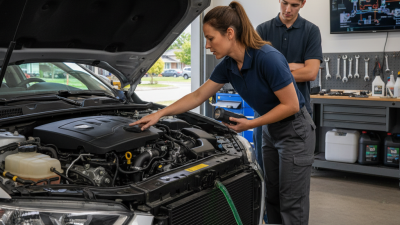
Modern workshops are changing quickly. Hybrid systems, battery safety, advanced driver-assistance systems, and scan-tool diagnostics now deserve serious attention. Look for training bays with current vehicles, insulated tools, diagnostic software, and documented safety procedures. Small details reveal quality.
Ask difficult questions.
Can international students understand the lessons clearly? Are certificates recognized by employers outside the training country? Does the school publish instructor qualifications, completion rates, workshop hours, and graduate outcomes? Reliable programs answer directly and provide verifiable evidence.
Still, no ranking can fit every buyer. A hands-on learner may prefer a smaller technical college, while an experienced technician may need a short electric-vehicle specialization. Costs can also change after tools, examinations, insurance, housing, and travel are included. That is easy to overlook.
This guide examines leading auto repair programs through an international buyer’s perspective. It considers training depth, equipment, accreditation, flexibility, practical experience, and career relevance. Some judgments remain subjective. Verify each program’s current details before making a financial or relocation decision.
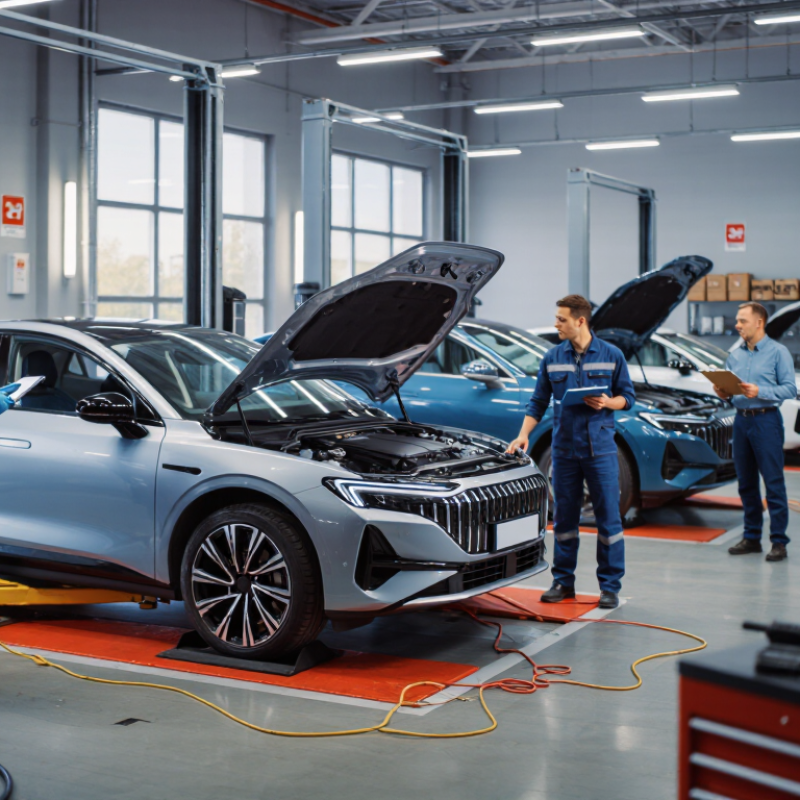
A suitable auto repair program for global buyers must teach skills that travel across borders. Vehicle systems differ, but diagnostic thinking remains essential. Students should practice with multimeters, scan tools, service manuals, and real repair measurements. Practical work matters.
Strong programs explain regional safety rules, emissions requirements, and inspection procedures without assuming one country’s system applies everywhere. Lessons should include clear technical English and useful translations for complex terms. Qualified instructors should show workshop experience, not only classroom certificates. Their assessments must test fault finding, safe tool handling, and accurate repair records.
Support after enrollment also matters. Global learners may need flexible schedules, recorded demonstrations, and reliable answers across time zones. Transparent fees, entry requirements, equipment lists, and certificate verification build trust. A serious provider should explain what the certificate proves. It should not promise automatic employment or universal professional licensing.
No program is perfect. I would question courses that advertise advanced results without showing workshop hours or assessment methods. Even experienced buyers can overlook local parts availability and different electrical standards. That weakness deserves attention. A useful program leaves room for local adaptation while keeping safety and evidence at its center.

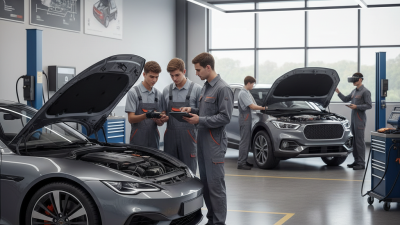
For global learners, the best auto repair programs connect classroom theory with supervised workshop practice. Students should handle multimeters, scan tools, torque wrenches, and brake components during guided sessions. A strong curriculum covers engine systems, electrical faults, diagnostics, safety procedures, and routine maintenance. It should also explain regional vehicle differences and changing technical standards.
Hands-on practice matters most.
Experienced instructors can show how a weak battery affects starting voltage. They can also demonstrate safe lifting, fault-code interpretation, and accurate service documentation. Look for programs with small practical groups, updated equipment, and clear skill assessments. Transparent course hours and instructor qualifications add credibility. Independent student feedback can reveal whether training feels useful beyond promotional claims.
Online lessons may support theory, but they cannot fully replace workshop repetition. I learned that reading a wiring diagram is easier than tracing a real intermittent fault. Some programs promise job readiness too quickly. That deserves careful questioning. Reliable providers explain limitations, offer safety training, and provide realistic assessment tasks. Access to technical manuals, multilingual support, and post-course guidance can help international students continue learning after graduation. Mistakes still happen in a workshop. Good training teaches students to identify them, record them, and correct them safely.
2026 Best Auto Repair Programs for Global Buyers?
Compare the curriculum before comparing tuition. A credible program should cover diagnostics, braking, steering, electronics, emissions, and high-voltage safety. The IEA’s Global EV Outlook 2024 reported more than 14 million electric cars sold worldwide in 2023. That figure makes battery systems and computerized diagnostics essential, not optional extras. Ask for weekly workshop hours, equipment lists, and assessment methods. A glossy syllabus proves little.
Certification needs careful checking. Is the credential recognized by employers, regulators, or only the school? Can graduates verify it through an independent registry? Requirements differ across countries, so portability matters. The U.S. Bureau of Labor Statistics projects thousands of annual openings for automotive service technicians through 2033, but demand does not guarantee equal training quality. Practical evidence matters more.
Request a sample skills logbook, instructor qualifications, and the student-to-lift ratio. Look for tasks such as testing a parasitic drain, reading live sensor data, and inspecting a damaged charging cable under supervision. Real tools. Real faults.
Some programs advertise advanced training but provide limited vehicle access. That is a warning sign. A strong course includes repeated workshop practice, fault diagnosis, safety procedures, and documented feedback. Online lessons can explain theory, yet they cannot replace measured torque, controlled testing, or careful connector handling. I would still question any program promising job readiness in a few weeks. Fast learning sounds attractive, but competence usually grows through repetition, mistakes, and honest correction.
Choosing an auto repair program in 2026 requires matching training with vehicle technology and career plans. Electric vehicles represented about 18% of global car sales in 2023, according to the International Energy Agency’s Global EV Outlook 2024. That shift changes daily workshop skills. Buyers should look for courses covering high-voltage safety, battery diagnostics, thermal systems, and electric drivetrains. Practical work matters. A training bay with disabled battery packs and digital scan tools feels more valuable than a room filled with outdated diagrams.
Traditional powertrains still deserve serious attention. Hybrid systems, diesel injection, braking hydraulics, and engine controls remain important across many markets. The U.S. Bureau of Labor Statistics projects 4% employment growth for automotive service technicians from 2023 to 2033, showing continued demand for broad mechanical competence. However, that figure does not guarantee equal opportunities everywhere. Local labor needs can differ sharply, and I have seen students choose advanced courses before mastering basic electrical testing. That choice often creates expensive confusion later.
Career goals should guide program depth. Entry-level learners may need structured lessons in inspection, maintenance, and fault diagnosis. Experienced technicians may benefit more from battery measurement, network communication, and calibration practice. Programs with assessed workshops, instructor credentials, and transparent completion records offer stronger evidence of quality. Ask whether tools reflect current service conditions, not only classroom theory. My own preference is a program that includes supervised mistakes, because perfect demonstrations can hide weak troubleshooting habits. Personal reflection still matters. Technology changes faster than most course catalogs.
2026 Best Auto Repair Programs for Global Buyers?
Choosing an auto repair program in 2026 requires more than comparing tuition. International applicants should review entry requirements, language scores, academic transcripts, and passport rules. Some schools also request proof of mathematics or basic mechanical experience. Enrollment may include an online interview and a medical insurance form. Ask for a written admission timeline.
Costs can change sharply by location. Tuition may range from 4,000 to 30,000 US dollars per year. International students should also budget for tools, safety equipment, housing, transport, insurance, and examination fees. A low tuition figure can mislead. In practice, tool purchases alone may add hundreds of dollars during the first term. Request a complete cost sheet before paying any deposit. Refund conditions deserve careful attention.
International access depends on visa approval, course delivery, workshop attendance, and local licensing rules. Online lessons may help with theory, but hands-on diagnostics require supervised practice. Confirm whether your qualification transfers to your target country. That answer is often unclear. Career opportunities include diagnostic technician, fleet maintenance worker, inspection assistant, service advisor, and workshop supervisor. Programs with engine, electrical, hybrid, and digital diagnostic training may offer broader preparation. Students should inspect workshop photographs, instructor credentials, graduate employment data, and employer partnerships. Employment is never guaranteed, especially across borders. A realistic plan includes language improvement, documented practical hours, and a financial reserve for several months.
| Program Type | Typical Study Length | Estimated Tuition (USD) |
Common Enrollment Requirements | International Access | Practical Training | Typical Entry-Level Roles | Best For |
|---|---|---|---|---|---|---|---|
| Short Certificate in Automotive Service | 3–12 months | $2,000–$8,000 | Secondary education or equivalent; basic English; identification documents; proof of funds where required | Often available to international learners; online access may be limited for workshop subjects; visa eligibility depends on country and course length | Basic workshop sessions covering inspection, servicing, brakes, steering, and electrical fundamentals | Trainee service technician, lubrication technician, tire technician, workshop assistant | Learners seeking a quick and lower-cost entry into automotive maintenance |
| Automotive Technology Diploma | 1–2 years | $8,000–$25,000 | Secondary school completion; mathematics or science may be recommended; language proficiency; passport and financial documents for international enrollment | Commonly offered by technical colleges; international admission may require credential evaluation and a student visa | Substantial hands-on work with engines, transmissions, braking, suspension, diagnostics, and service procedures | Automotive service technician, diagnostic assistant, maintenance technician, workshop technician | International students who want structured technical training and broader employment options |
| Associate-Level Automotive Degree | 2 years | $12,000–$35,000 | Secondary school credential; language test may be required; academic transcripts; financial and immigration documentation | Usually accessible through accredited colleges; transfer and post-study work rules vary by destination | Laboratory work, supervised repairs, diagnostic testing, technical reporting, and sometimes cooperative education | Automotive technician, fleet maintenance technician, service advisor, parts coordinator | Students seeking a recognized qualification with possible academic progression |
| Advanced Diagnostics and Electrical Systems | 6–18 months | $4,000–$15,000 | Prior automotive training or work experience; electrical fundamentals; technical English; entrance assessment in some programs | Some theory can be delivered online, but diagnostic equipment and supervised practical work generally require local access | Computerized diagnostics, wiring diagrams, scan-tool operation, sensors, charging systems, and fault tracing | Diagnostic technician, electrical systems technician, automotive electronics specialist | Qualified mechanics who want higher-value diagnostic and electrical skills |
| Hybrid and Electric Vehicle Service | 3–12 months | $3,000–$12,000 | Automotive background preferred; electrical safety knowledge; technical language proficiency; safety training may be mandatory | Available in many markets, but high-voltage practical training is normally location-specific and subject to local safety regulations | High-voltage safety, battery systems, electric drive units, charging equipment, thermal management, and isolation procedures | Electric vehicle service technician, hybrid systems technician, charging equipment technician | Experienced technicians preparing for growing electrified-vehicle service demand |
| Apprenticeship or Work-Based Training | 2–4 years | $1,000–$10,000 in classroom or registration fees; wages may be paid during employment | Minimum education requirements; employer acceptance; work authorization; language and safety requirements | International participation depends strongly on work-permit rules, employer sponsorship, and local apprenticeship regulations | Paid or supervised workplace experience combined with scheduled technical instruction | Apprentice technician progressing toward qualified or licensed technician status | Learners who value paid experience and direct workplace development |
| Online Automotive Theory Program | 4–16 weeks | $300–$3,000 | Basic computer access; secondary education is commonly recommended; identity verification and language skills may apply | Generally the easiest international option because learners can study remotely; it usually does not provide a student visa or local work authorization | Interactive theory, videos, simulations, and quizzes; physical repair practice is usually self-arranged | Entry-level workshop assistant or preparation for further technical training | Working adults and international learners who need flexible introductory study |
| Automotive Management and Service Operations | 6–24 months | $5,000–$20,000 | Secondary education or relevant work experience; language proficiency; business or technical background may be preferred | Often suitable for international learners; recognition of management credentials varies by employer and country | Workshop planning, customer service, estimating, inventory control, quality procedures, and safety management | Service advisor, workshop coordinator, parts supervisor, fleet service administrator | Technicians and professionals targeting supervisory or service-business roles |
Cost note: Tuition ranges are indicative 2026 estimates in USD and may exclude tools, uniforms, examinations, insurance, housing, transportation, visa fees, and living expenses. International admission, qualification recognition, work rights, and post-study employment options depend on the destination country's current regulations and the learner's individual circumstances.
Plainfield, 60585, 60544, 60586, Naperville, 60564, Bolingbrook, 60490, 60440, Romeoville, 60446, Will, Kendall, DuPage, Counties. Our auto repair shop in Plainfield, IL, has been serving the local area plus all surrounding Chicagoland since 1978.
• Computer Diagnostic • Brake Shop • Engine Replacement • Transmission Rebuild • Clutch Replacement • Differential Rebuild • Suspension Shop • Steering • Shocks & Struts • Heating & Cooling • Electrical • Exhaust Shop • Catalytic Converter Replacement • Alignment • Domestic & Foreign Vehicle Service • Auto Repair In Plainfield, IL • Auto Repair Shops Near Me • Towing Service Near Me