What is a Ball End Mill and How is it Used?
In the world of machining, the "Ball End Mill" stands out for its unique capabilities. According to James Anderson, a leading expert in milling technology, "Ball End Mills are essential for creating complex shapes and smooth contours." These tools excel in applications requiring precision, such as molds and dies.
The design of a Ball End Mill enables it to create rounded edges and intricate profiles. This makes it a go-to choice in industries like aerospace and automotive. However, some challenges persist. For instance, achieving the desired surface finish requires careful selection of machining parameters. If not addressed, it can lead to unsatisfactory results.
Moreover, the versatility of a Ball End Mill can be a double-edged sword. While it handles various materials well, improper use can result in tool wear or breakage. Understanding the operational limits is crucial for optimal performance. Each application demands careful consideration to fully leverage the advantages offered by this remarkable tool.
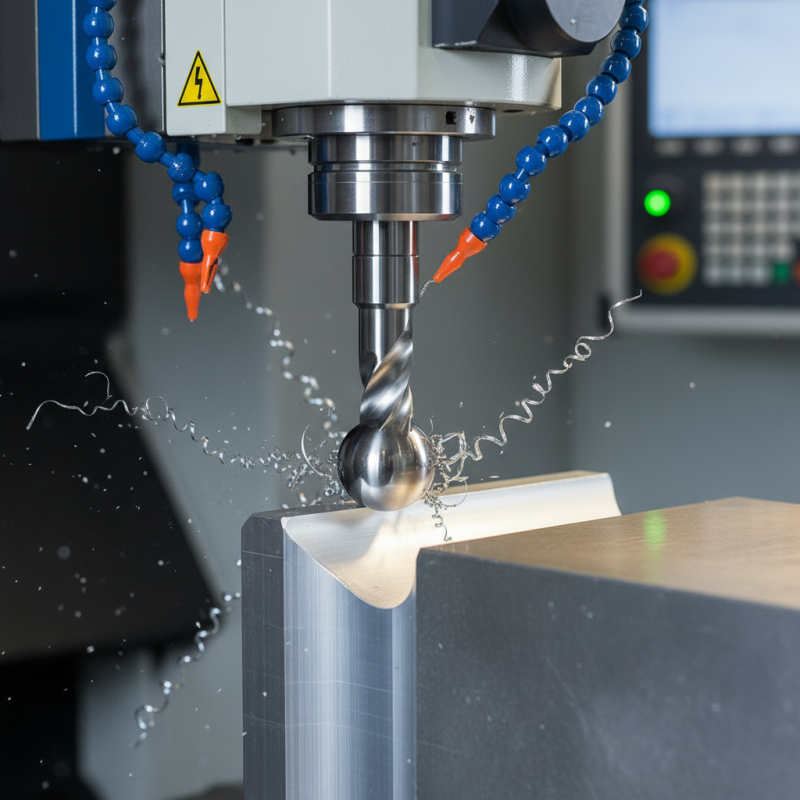
Understanding Ball End Mills: Definition and Functionality
Ball end mills are specialized cutting tools. They have a rounded end, allowing for unique machining capabilities. These tools are essential in creating 3D shapes and contours during milling processes. Their design enables them to reach complex angles and provide a smooth finish on curved surfaces.
When using a ball end mill, consider the material being machined. Softer materials may allow for higher speeds, while harder materials require slower, steady feeds. Experimenting with speeds can yield different results. Keep in mind that an improper feed rate can cause tool wear or breakage.
Tips for effective usage: always inspect your tool before starting. Ensure it's sharp and free of damage. A dull tool leads to poor finishes and wasted time. Also, use proper coolant to keep the tool cool during operation. This can help improve performance and tool life. Balancing speed and feed rate is crucial. Adjust settings as needed, and don’t hesitate to modify your approach based on results.
Key Features of Ball End Mills: Design and Geometry
Ball end mills are unique tools designed for specific applications. Their geometry features a hemispherical end, which allows them to create rounded edges and complex shapes. This design is crucial for tasks like sculpting and contouring materials. The curved tip enables precision work that flat end mills often can't achieve. The shape allows for a smoother finish and less tool marks on the workpiece.
The multi-flute design of ball end mills enhances their efficiency. Typically, they have two to four flutes that help in better chip removal. This is important when machining softer materials. The right choice of geometry affects cutting speed and performance. However, improper selection can lead to tool wear or poor surface finish.
Users often face challenges in selecting the correct diameter and flute count. It’s essential to consider the material type. Steel, aluminum, and plastics behave differently during machining. Testing various options can lead to discoveries that enhance the process. Finding the balance between speed and quality may take time. This trial-and-error approach can be frustrating but often leads to a deeper understanding of the tool’s capabilities.
Applications of Ball End Mills in Various Industries
Ball end mills are crucial tools in various manufacturing sectors. They excel in creating complex shapes and contours on materials. These mills are commonly used in automotive and aerospace industries, where precision is key. According to recent industry reports, the global market for end mills is expected to reach $6.8 billion by 2026, highlighting the growing demand for these tools.
In the automotive sector, ball end mills are used for machining engine components and molds. They allow for smooth transitions and intricate details. A study by the Automotive Industry Association indicated that efficient milling can improve production speed by up to 30%. However, some manufacturers still struggle with tool wear and breakage, leading to downtime and increased costs.
Aerospace applications utilize ball end mills for creating airfoil shapes and turbine parts. This requires utmost precision, as even minor errors can have significant consequences. Reports show that using high-quality milling tools can enhance the accuracy of the final product by an impressive 25%. Despite advancements, issues with tool selection and machining strategies remain areas for improvement in the industry. Balancing cost and performance is an ongoing challenge for many companies.
Comparative Performance: Ball End Mills vs. Other Tool Types
Ball end mills are versatile tools used in machining to create curved shapes and complex designs. They excel in generating precise contours on materials like metal and plastic. However, their performance can vary compared to other tool types, such as flat end mills or chamfer mills. The rounded design of ball end mills allows for smoother transitions and finer finishes, making them ideal for three-dimensional applications.
In contrast, flat end mills are better suited for creating sharp edges and flat surfaces. They perform well when working with materials requiring tight tolerances. While ball end mills can produce more intricate shapes, they may have limitations in terms of speed and cutting depth. Their rounded edges can lead to slower material removal rates when compared to other tools.
Choosing between these tools depends on the specific project requirements. Some operators might overlook the advantages of each type. Evaluating the intended use is crucial. Understanding the nuances in performance can make a significant difference in achieving desired results. A thoughtful approach to tool selection can prevent inefficiencies and enhance overall productivity.
Choosing the Right Ball End Mill: Factors and Recommendations
Choosing the right ball end mill can significantly impact your machining efficiency. Many factors influence this choice. Consider the material you will machine. Different materials require different tool designs and coatings. A ball end mill works well on complex surfaces and contours. Understanding the material's hardness is crucial in selecting the right mill.
Size plays a vital role too. The diameter affects the finish and detail. A smaller diameter is ideal for intricate designs. However, it may not be suited for deep cuts. Think about the cutting depth and width as well. You need the right balance to achieve your desired outcome. Remember, the wrong size can lead to tool wear or unnecessary vibrations.
Don't overlook the number of flutes. More flutes can improve surface finish but may reduce chip removal. If you're working with sticky materials, fewer flutes might be better. Also, reflect on your machine's capabilities. Some machines may not handle certain end mills well. Testing different options can lead to improvements, but avoid overcomplicating your choices. Simple adjustments may yield better results.

