Top 10 Benefits of Precision Investment Casting for Buyers?
Precision Investment Casting is a revolutionary manufacturing technique offering numerous advantages to buyers across various industries. According to a report by Research and Markets, the global investment casting market is projected to reach $31.77 billion by 2025. This method stands out for its ability to produce complex shapes with high accuracy. It often results in less waste and reduced production costs.
The precision achieved with this method is unmatched, allowing for tight tolerances that other casting methods struggle to meet. This precision leads not only to better part performance but also to improved durability. However, these benefits are not without challenges. The initial setup costs can be high, and the learning curve may be steep. Buyers must weigh these factors carefully.
Moreover, industries such as aerospace and automotive are increasingly relying on Precision Investment Casting for critical components. As they seek to enhance performance and reduce weight, this technique is becoming essential. The blend of precision, efficiency, and reliability makes it a go-to solution, yet it requires careful consideration of all variables. Buyers must remain informed to ensure they leverage this technology effectively.
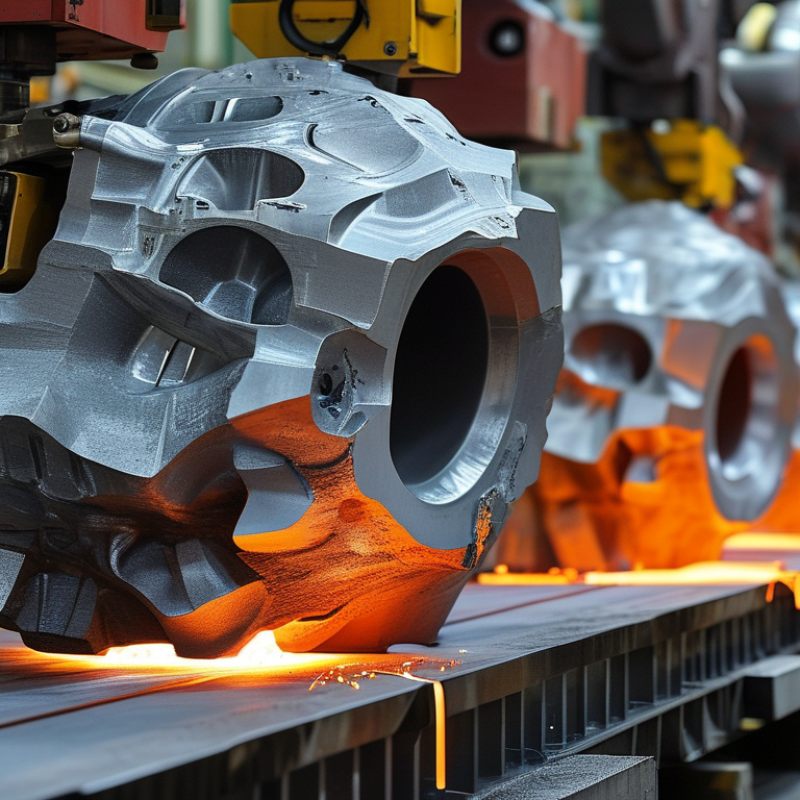
Advantages of Precision Investment Casting in Manufacturing
Precision investment casting has transformed manufacturing, offering buyers notable advantages. This technique allows for complex geometries with minimal waste. According to industry reports, this method can reduce material costs by up to 30% compared to traditional casting. It achieves a higher level of dimensional accuracy, often within ±0.1 mm tolerances. Such precision is crucial for industries like aerospace and automotive, where parts must meet strict specifications.
The surface finish of precision investment cast parts is typically superior. This reduces the need for additional machining. Studies indicate that parts produced through this method can achieve a surface roughness of Ra 1.6 to Ra 3.2 micrometers. This leads to lower post-processing costs and faster production cycles. However, the initial tooling costs can be higher, which may raise concerns for budget-conscious buyers.
Despite these challenges, the benefits often outweigh the drawbacks. The durability and integrity of investment cast parts are impressive. However, buyers should weigh these factors against their specific needs. Not every project requires the precision investment casting provides. Understanding the trade-offs is crucial for making informed decisions in the manufacturing landscape.
Cost Efficiency and Material Savings in Precision Investment Casting
Precision investment casting offers significant cost efficiency and material savings, making it an appealing choice for manufacturers. This process produces intricate geometries with excellent surface finishes, reducing the need for extensive machining. The ability to utilize various materials also enhances flexibility while limiting waste. By reducing raw material consumption, companies can achieve more sustainable production.
When considering precision investment casting, buyers should analyze their designs closely. Simple adjustments to a design can lead to better material utilization. Often, a small tweak can convert a complex part into a more straightforward solution. Understanding what is achievable within this method can improve the overall benefit.
Investing in this casting technique often leads to lower operational costs over time. It minimizes the volume of wasted materials, which can significantly impact final pricing. Nevertheless, buyers need to remain vigilant about the initial investment in technology and process setup. Efforts to optimize designs could reflect on initial costs, but the long-term savings are usually worth it. Balancing these factors can require contemplation, but the potential benefits are undeniable.
Enhanced Design Flexibility and Precision in Cast Parts
Precision investment casting stands out for its design flexibility and the ability to create intricate parts. This method allows engineers to bring complex geometries to life. It accommodates various materials, enhancing product functionality. Whether creating lightweight components or complex shapes, precision casting meets diverse needs.
One of the key advantages is the accuracy achieved in dimensions. This precision reduces the need for extensive machining, saving time and cost. However, achieving this level of precision requires careful planning and skilled execution. Some may overlook the imperfections that can arise in the final product, which may necessitate adjustments.
Material choices also play a crucial role in the casting process. Selecting the right material can improve strength and durability. However, not every material is suitable for every application. This requires a deep understanding of both material properties and design requirements. In some cases, the process may highlight weaknesses that could affect overall performance. Recognizing these challenges is vital for successful outcomes.
Improved Surface Finish and Reduced Post-Processing Needs
Precision investment casting offers significant advantages in terms of surface finish. Unlike traditional methods, it can produce intricate shapes with minimal surface imperfections. The smoothness of the final product often reduces the need for extensive post-processing. This leads to both time and cost savings for manufacturers.
Buyers benefit from this improved surface finish in various applications. Components used in the automotive and aerospace industries must meet stringent quality standards. With precision investment casting, the need for additional machining is minimized. This innovation facilitates greater design freedom while ensuring durability.
Still, some may overlook the importance of surface finish. In certain cases, initial defects may require reconsideration during the design phase. Understanding these nuances is crucial. By acknowledging potential issues, buyers can make informed decisions about their casting needs, ensuring overall project success.
Applications of Precision Investment Casting Across Various Industries
Precision investment casting has found significant applications in various industries due to its unique advantages. In aerospace, for instance, precision casting produces lightweight, complex components. These parts enhance fuel efficiency while maintaining structural integrity. The customizable features of this process allow manufacturers to meet specific design requirements effectively.
In the automotive sector, precision investment casting ensures that intricate engine parts are made with high precision. This leads to improved performance and durability. The medical industry also benefits, as precision cast components are essential for manufacturing devices and implants. Their high dimensional accuracy and surface finish enhance medical outcomes.
Despite the clear benefits, challenges exist. Some buyers may be hesitant due to initial costs or the need for specialized designs. Ultimately, understanding these challenges is crucial. Buyers should weigh the potential for long-term gains against upfront investments. In the end, precision investment casting is revolutionizing production across diverse industries.

