ClickCease

What Are the Best Places That Rebuild Transmissions in China?

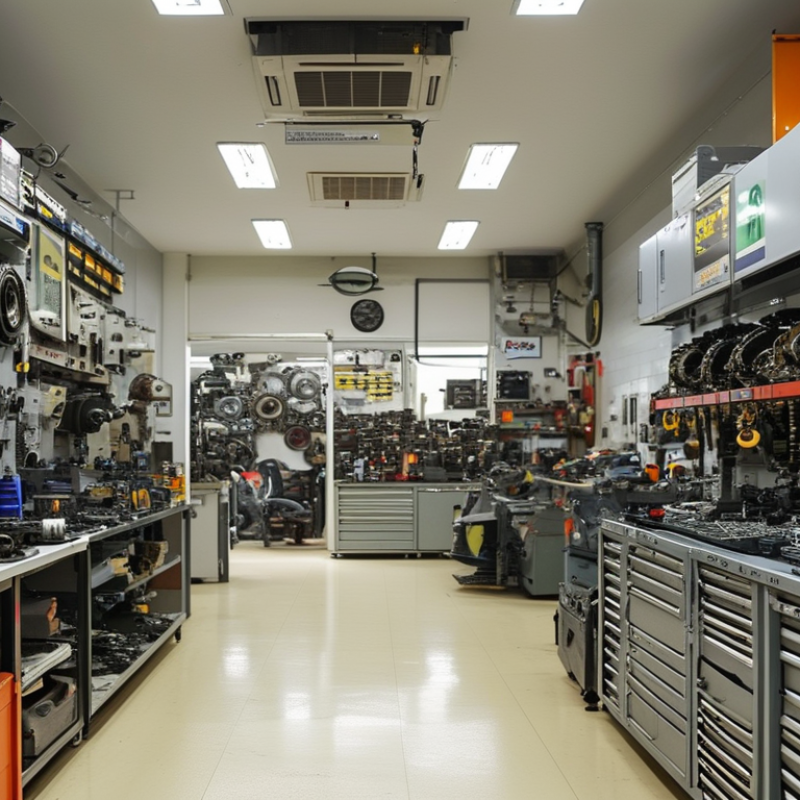
Finding reliable places that rebuild transmissions in China requires more than checking a map or choosing the lowest quotation. A reputable workshop should show practical experience with automatic, dual-clutch, and continuously variable transmissions. It should also explain the failure clearly, test the vehicle before disassembly, and provide a written warranty. In cities such as Shanghai, Guangzhou, Shenzhen, Beijing, and Ningbo, established repair centers often have better access to diagnostic scanners, torque converters, valve bodies, and replacement parts. However, location alone proves little.

“A quality rebuild starts with accurate diagnosis, not a parts list,” says Pete Meier, an ASE-certified automotive educator and transmission specialist. That principle matters when comparing places that rebuild transmissions. Ask whether technicians inspect clutch packs, solenoids, bearings, seals, and hydraulic pressure readings. Look for clean workbenches, labeled components, calibrated testing equipment, and documented road tests. A serious facility should discuss fluid specifications and adaptation procedures, not simply promise a quick repair.

The details reveal the difference. Can the shop show before-and-after scan data? Does it test the rebuilt unit under load? Are imported and local parts identified honestly? These questions can expose weak practices. Some workshops may have impressive equipment but limited experience with a particular gearbox. Others may deliver excellent work without polished marketing. I would not treat this guide as a perfect ranking. Customer reviews can be incomplete, and transmission problems can change after installation. Still, careful inspection, transparent communication, and a realistic warranty provide a stronger basis for selecting a dependable Chinese transmission rebuilding specialist.
What Are the Best Places That Rebuild Transmissions in China?

China’s Leading Transmission Rebuilding Centers and Service Regions

China’s leading transmission rebuilding centers are concentrated around major automotive and logistics regions. The Pearl River Delta, especially Guangzhou and Shenzhen, has strong experience with high-mileage passenger vehicles and commercial fleets. Shanghai, Suzhou, and nearby cities serve dense manufacturing and transport networks. Beijing and Tianjin provide broad technical support for northern vehicle markets.

In central China, Wuhan and Zhengzhou are important service regions because they connect several national freight routes. Chengdu and Chongqing also support extensive rebuilding work across the southwest. Skilled workshops typically inspect clutch packs, valve bodies, solenoids, torque converters, and electronic control systems. They should combine scan data with pressure testing and a careful road test. Clean work areas matter.

The best rebuilding location is not always the nearest city. A reliable center should explain failure evidence, list replaced parts, and provide a written warranty. Ask whether technicians measure internal wear or simply install used components. That difference is important. Regional quality can vary, even within the same industrial cluster. Some repair reports sound confident but lack test figures. Customers should question unclear estimates and request photographs when possible. A second inspection may prevent an expensive mistake, although it can slow the repair process. Experience helps, but disciplined documentation makes that experience trustworthy.
How to Compare Transmission Rebuilding Workshops Across China

Comparing transmission rebuilding workshops across China requires more than checking online ratings. A serious workshop should explain the failure clearly, not promise a cheap miracle. Ask whether technicians inspect hydraulic pressure, electronic controls, clutch packs, seals, and casing damage. Request photos of worn components and a written diagnosis. This evidence shows process. It also exposes vague claims.

Look for documented technician training, calibrated test equipment, clean assembly areas, and traceable parts records. Ask which components are reused, replaced, or machined. A reliable estimate separates labor, parts, testing, tax, and possible extra damage. The warranty should state its duration, exclusions, and repair responsibility. Short answers worry me. So does cash-only pressure. Translation quality matters when technical terms cross languages. Use written communication.

Compare road-testing procedures, not just prices. The workshop should record cold starts, gear changes, fluid temperature, fault codes, and post-repair leaks. If possible, speak with fleet operators or local repair professionals who have seen repeated results. A lower quote may hide skipped calibration or unlisted parts. That mistake becomes expensive. I would also check whether the workshop accepts independent inspection before final payment. No shop is flawless. Even careful technicians can misjudge hidden damage. A transparent workshop admits that risk and explains how approval will be handled. That honesty often matters more than a polished website.

What Are the Best Places That Rebuild Transmissions in China? - How to Compare Transmission Rebuilding Workshops Across China
The table below compares typical workshop conditions by major Chinese service region. Values are practical market benchmarks for independent transmission rebuilding facilities, not ratings or claims about any specific company or brand.
Service Region Typical Transmission Workload Common Workshop Capability Typical Turnaround Typical Parts Warranty Diagnostic and Testing Equipment Quality-Control Indicators Best Selection Criteria
East China
(Shanghai, Jiangsu, Zhejiang, Anhui)
High passenger-vehicle, commercial-vehicle, and fleet demand; broad mix of automatic and manual transmission repairs. Usually strong in complete disassembly, hydraulic-system inspection, clutch replacement, valve-body service, and electronic diagnosis. Approximately 3–7 working days for a standard rebuild after parts approval. Commonly 6–12 months or 10,000–30,000 km, subject to workshop terms. Transmission scan tools, hydraulic-pressure gauges, solenoid testing, cleaning equipment, and bench testing. Written inspection report, measured clearances, road test, leak inspection, and documented fluid level. Choose a workshop with transparent estimates, test records, and experience with both urban traffic and fleet-duty vehicles.
South China
(Guangdong, Fujian, Guangxi, Hainan)
Large volume of passenger vehicles, logistics vehicles, taxis, and vehicles exposed to hot, humid operating conditions. Often experienced in automatic transmission overhaul, cooling-system checks, seal replacement, and high-mileage vehicle repairs. Approximately 3–8 working days; complex parts sourcing may extend the schedule. Commonly 6–12 months or 10,000–30,000 km. Electronic fault-code diagnosis, pressure testing, oil-condition inspection, cooler-flow checks, and road testing. Replacement of damaged seals, cooler inspection, shift-quality verification, and post-repair leak testing. Prioritize moisture-resistant storage, proper cooler cleaning, accurate diagnosis, and a clearly defined warranty process.
North China
(Beijing, Tianjin, Hebei, Shandong)
Mixed demand from private vehicles, government and commercial fleets, delivery vehicles, and passenger cars. Generally suitable for automatic and manual rebuilds, clutch and torque-converter work, differential inspection, and fleet maintenance. Approximately 4–10 working days depending on vehicle type and parts availability. Commonly 6–12 months or 10,000–30,000 km. Electronic scanners, pressure gauges, torque tools, cleaning systems, and final road-test procedures. Parts-list approval, torque-control records, fluid specification confirmation, and before-and-after diagnostic results. Compare labor scope, availability of replacement parts, winter operating considerations, and fleet-service capacity.
Central China
(Henan, Hubei, Hunan, Jiangxi)
Strong regional demand from private vehicles, intercity transport, agricultural areas, and logistics operations. Many facilities focus on practical mechanical rebuilding, clutch systems, manual transmissions, and common automatic units. Approximately 4–10 working days for common repairs; unusual failures may require additional sourcing time. Commonly 3–12 months or 5,000–30,000 km, depending on the written agreement. Basic electronic diagnosis, hydraulic testing, clutch inspection, cleaning equipment, and road testing; equipment levels vary widely. Clear distinction between repaired and replaced parts, measurable inspection results, and a documented test drive. Check equipment condition, technician experience, diagnostic depth, and whether the quoted price includes removal and installation.
Southwest China
(Sichuan, Chongqing, Yunnan, Guizhou)
Demand includes passenger vehicles, taxis, mountainous-route vehicles, commercial vans, and high-mileage fleets. Useful expertise in heat management, driveline inspection, automatic transmission service, and repairs affected by heavy gradients. Approximately 4–12 working days, particularly when testing follows steep-route or heavy-load use. Commonly 6–12 months or 10,000–30,000 km. Pressure testing, electronic diagnosis, temperature monitoring, cooler inspection, and extended road testing. Temperature and shift-quality checks, load-condition testing, fluid inspection, and final leakage verification. Select workshops that understand gradient-related load, cooling requirements, road-test conditions, and driveline vibration.
Northeast China
(Liaoning, Jilin, Heilongjiang)
Vehicle demand includes passenger cars, commercial vehicles, fleet units, and vehicles exposed to cold winters and road salt. Typically handles manual and automatic rebuilds, seal replacement, clutch work, differential inspection, and cold-weather troubleshooting. Approximately 5–12 working days, with possible delays for special-order components. Commonly 6–12 months or 10,000–30,000 km. Electronic scanning, hydraulic-pressure testing, fluid inspection, seal evaluation, and cold-start or extended road testing. Corrosion inspection, cold-weather fluid verification, leak testing, and documented road-test performance. Confirm storage conditions, corrosion-control procedures, winter fluid recommendations, and availability of replacement components.
How to compare workshops: Request a written diagnosis, itemized parts and labor costs, measured inspection results, expected completion date, warranty exclusions, and a post-rebuild test report. A lower initial quote may not include removal, installation, fluid replacement, programming, cooler cleaning, or related repairs.

Key Services Offered by Chinese Transmission Rebuild Specialists

What Are the Best Places That Rebuild Transmissions in China?

China’s strongest transmission rebuild specialists are usually located near major automotive manufacturing and logistics centers. Reputable workshops provide more than basic repairs. They begin with electronic fault scanning, road-test reports, and a careful inspection of fluid condition. Technicians then remove the transmission, photograph each stage, and measure worn components. This process helps separate electrical faults from mechanical damage.

Key Services

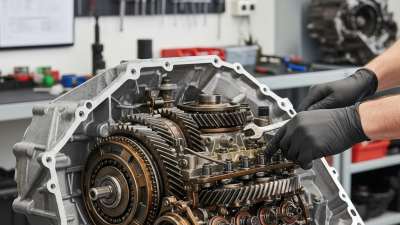
Key services include ultrasonic cleaning, valve-body servicing, clutch-pack replacement, seal renewal, and precision machining. Skilled rebuilders also inspect planetary gears, shafts, bearings, and hydraulic passages. After assembly, the unit should receive bench testing and, when possible, vehicle-level testing.

Documentation and Export Support

A clear written report matters. It should list replaced parts, measured clearances, test results, and warranty terms. Some workshops also support export packing and installation guidance for overseas customers.

Tips:

Ask whether technicians use calibrated measuring tools. Request photos of damaged parts and a complete parts list. Confirm the warranty period, return procedure, and expected turnaround time. A low quotation may exclude testing or essential components. Be careful. Even experienced workshops can miss intermittent electronic faults, especially when diagnosis is rushed. Good communication reduces this risk, though it cannot remove every uncertainty. Ask for realistic findings, not promises.

Quality, Parts, Warranty, and Certification Standards to Check

What Are the Best Places That Rebuild Transmissions in China?

The best rebuilding locations are usually found in established automotive repair clusters, such as Guangzhou, Shanghai, Shenzhen, and nearby manufacturing cities. However, location alone proves little. A reliable workshop should show documented experience with your transmission type, including disassembly photos, pressure-test readings, and road-test procedures. Ask whether technicians measure clutch clearances, inspect valve bodies, and replace worn seals instead of washing and reusing them. Small details matter.

Parts quality needs written control. Request part numbers, supplier records, material specifications, and traceability for critical components. A professional facility should provide a clear parts list before work begins. It should also explain whether parts are new, remanufactured, or refurbished. These terms are not interchangeable. Some workshops offer a twelve-month warranty, but the conditions may exclude labor, fluid contamination, or towing. Read every exclusion. I would still hesitate if the warranty exists only in a chat message.

Certification standards can support trust, but certificates need verification. ISO 9001 may indicate organized quality procedures, while IATF 16949 can suggest stronger automotive quality management. Neither certificate guarantees a perfect rebuild. Check the certificate number, scope, validity, and issuing body. Ask for final inspection records, leak-test results, calibration dates, and a written warranty in both languages when needed. An impressive factory can still have inconsistent technicians. That is an uncomfortable reality.

What to Check When Choosing a Transmission Rebuilder in China

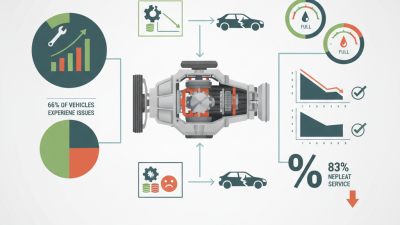
The chart summarizes the main evidence categories buyers should verify: documented quality control, traceable replacement parts, written warranty terms, and relevant certification or testing records. ISO 9001 relates to quality-management systems, IATF 16949 is specific to automotive quality management, and ISO/IEC 17025 applies to competent testing and calibration laboratories. These standards support due diligence but do not replace an inspection of the actual rebuilding process.

How to Choose the Best Transmission Rebuilder for Your Vehicle

What Are the Best Places That Rebuild Transmissions in China?

Choosing the best transmission rebuilder in China requires more than comparing prices. Major automotive centers such as Guangzhou, Shanghai, Shenzhen, and Beijing often provide stronger parts access and technical labor. However, city reputation does not guarantee repair quality. The 2023 China Association of Automobile Manufacturers report recorded more than 30 million vehicle sales nationwide. That scale supports a large repair market, but it also creates uneven workmanship.

Ask for a written diagnosis before approving any rebuild. The report should identify clutch wear, valve-body damage, solenoid faults, and contamination levels. A serious facility should use scan data, hydraulic testing, and controlled road testing. Request photos of removed parts. You should also confirm whether replacement components are new, remanufactured, or reused. The distinction matters.

Check the warranty terms carefully. Look for mileage limits, labor coverage, fluid requirements, and exclusions. A vague “quality guarantee” is not enough. The rebuilder should provide torque specifications, fluid type, adaptation procedures, and final test results. Professional certification helps, but documented process matters more. Clean floors are reassuring, not proof.

The 2024 China Automotive Aftermarket Development Report highlights rising demand for standardized maintenance and transparent service records. I would still inspect the details myself. A low quote may hide skipped testing or unsuitable parts. Ask who performs the calibration. Ask how failed units are handled. A careful rebuilder will answer without pressure. That response often reveals more than an impressive workshop.