ClickCease

What Is a Bucket Tooth and How Do You Choose One?

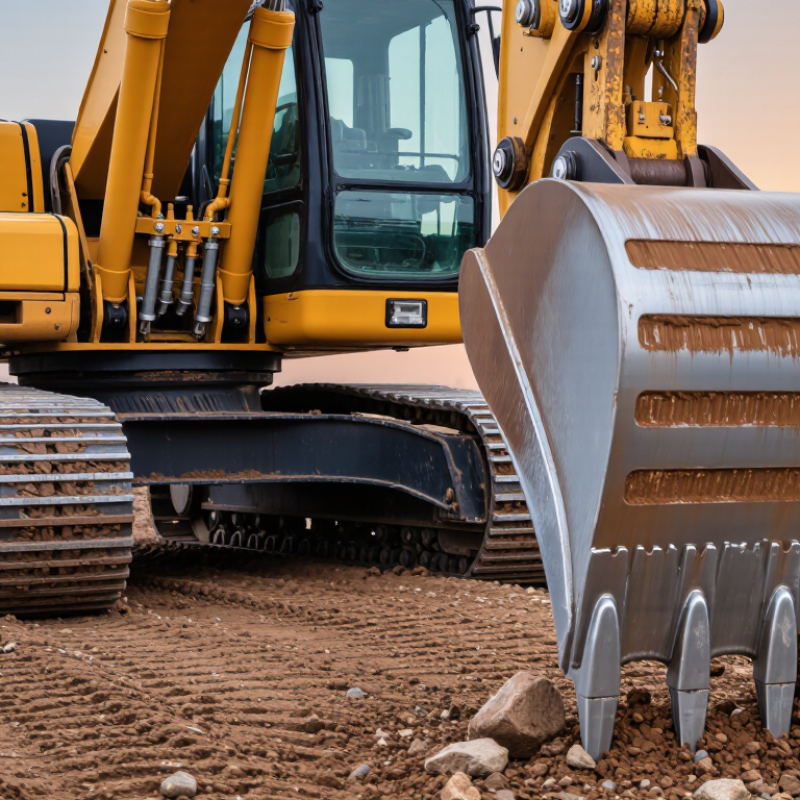
A Bucket Tooth is a small attachment with a demanding job. Mounted along an excavator or loader bucket edge, it breaks soil, gravel, clay, and fractured rock before the bucket carries the material away. Its pointed profile concentrates digging force, helping the machine penetrate difficult ground with less resistance. Yet a tooth is not simply a replaceable metal point. Its shape, alloy, adapter, locking system, and wear pattern all affect performance.

Choosing the right Bucket Tooth begins with the working conditions. A tooth used in loose sand faces different demands from one cutting through compacted clay or abrasive granite. Excavator size matters too. A tooth that looks strong may overload the adapter or reduce digging efficiency when matched incorrectly. Experienced operators inspect the bucket regularly, checking for rounded tips, side wear, cracks, and loose retainers. These details often reveal problems before they damage the bucket lip.

Small choices matter.

This guide explains tooth types, attachment systems, material considerations, and practical selection methods. It also considers manufacturer recommendations, machine specifications, and maintenance records, because reliable advice should connect theory with field experience. There is no perfect tooth for every site. Even common assumptions can fail when moisture, impact, or operator technique changes. A careful selection process therefore weighs digging force, ground conditions, expected wear, replacement time, and total operating cost. The goal is not merely to buy a tougher part. It is to choose a compatible component that performs predictably and protects the equipment around it.

What Is a Bucket Tooth and How Do You Choose One?

What Is a Bucket Tooth and What Does It Do?

A bucket tooth is the replaceable cutting point fixed to an excavator or loader bucket. It penetrates soil, gravel, rock, and compacted material before the bucket body carries the load. The tooth concentrates hydraulic force onto a small contact area. That focused pressure helps break dense ground with fewer passes. It also protects the bucket lip from direct abrasion. It is not decoration. On a quarry face, a rounded tooth can skid across rock, increase fuel use, and leave an uneven cut. The U.S. Geological Survey reported about 1.9 billion metric tons of crushed stone produced in the United States during 2023. That volume shows why small wear components deserve serious attention.

Choosing one starts with the material and digging method. Use a sharper profile for penetration in cohesive soil. Select a heavier, more abrasion-resistant profile for broken rock or recycled aggregate. The tooth must also match the adapter, pin, bucket width, and machine class. Fit matters. A loose tooth can damage the nose and create dangerous movement.

Inspect the locking pin, side clearance, cracks, and remaining tip length before work begins. A practical mistake is choosing the most aggressive shape every time. It may penetrate well, but it can wear quickly under abrasive loads. I would recheck the tooth after the first shift, because ground conditions often differ from the site description. Wear tells a story. Uneven rounding may indicate poor alignment, excessive side loading, or an unsuitable profile.

How Does a Bucket Tooth Work During Excavation?

During excavation, a bucket tooth acts as the cutting point of the bucket. It concentrates hydraulic force into a small contact area. As the bucket curls, the tooth penetrates soil, clay, gravel, or fractured rock. This narrow point breaks the ground before the wider bucket body enters.

Without a properly shaped tooth, the bucket may push material instead of cutting it. That increases cycle time and fuel use.

A tooth also helps control how material flows into the bucket. Its angle guides loosened soil toward the bucket’s interior. In field inspections, I check the tip, side walls, and adapter connection. A rounded tip usually shows penetration loss. Excessive side wear can indicate uneven loading. A loose fit is a warning sign. It may damage the adapter during repeated impacts.

Choosing a tooth depends on ground conditions and excavation pressure.

Penetrating designs suit compacted clay and dense soil.

Heavier designs resist impact in rocky ground.

Abrasive sand needs strong wear resistance, not just a sharp profile.

Mixed sites require a practical compromise. Manufacturer data helps, but it cannot replace site observation. I once selected a very aggressive profile for mixed gravel and clay. It entered hard patches well, but wore quickly in loose gravel.

That mistake showed me that soil changes can matter more than the catalog description.

Inspect the working edge regularly, especially after heavy digging or sudden impact.

What Are the Main Types of Bucket Teeth?

A bucket tooth is the replaceable point fitted to an excavator or loader bucket. It breaks soil, penetrates compacted ground, and protects the bucket’s cutting edge. The tooth shape strongly affects digging speed, fuel use, and wear.

General-purpose teeth suit mixed soil, sand, clay, and light gravel. Their moderate point gives balanced penetration and service life. Penetration teeth have a narrower, sharper profile. They work well in dense clay or tightly packed earth, but their tips may wear faster in abrasive material. Rock teeth use thicker steel and reinforced noses. They are built for fractured rock, hardpan, and coarse gravel. They usually sacrifice some digging speed for greater resistance.

Abrasion-resistant teeth are wider and often have extra material around the nose. They perform better in sandy soil, crushed stone, and other wearing conditions. Wide or flared teeth create a broader cutting path. They can help with grading and loose material, though they may struggle in hard ground. Side cutters extend beyond the bucket edges and improve wall cutting while protecting the corners.

Selection should begin with the machine’s operating weight, bucket adapter, pin system, and working conditions. Check the tooth fit carefully. A loose tooth can damage the adapter and create dangerous movement. Inspect the tip after each shift for cracks, uneven wear, or a rounded point. In practice, soil changes quickly across one site. A tooth chosen for clay may perform poorly after hitting abrasive gravel. That detail is easy to overlook. I have also found that the most aggressive profile is not always the most productive choice.

How Do You Choose the Right Bucket Tooth?

Choosing the right bucket tooth starts with the material, not the excavator’s paint color. Crushed stone cuts differently from wet clay or compacted gravel. The U.S. Geological Survey’s 2024 Mineral Commodity Summaries estimated nearly 1.9 billion metric tons of crushed stone production in the United States during 2023. That volume reflects demanding, abrasive work.

Match the tooth profile to the ground. Use a sharp, narrow profile for penetration in compacted soil. Choose a broader, heavier profile for blasted rock and severe abrasion. Check the adapter, pin system, bucket width, and hydraulic power before ordering.

A tooth that is too large may reduce breakout efficiency. A weak tooth can wear within hours. Watch the tip daily. Uneven wear often signals poor alignment, excessive side loading, or an unsuitable profile.

Measure the job cycle, too. Short loading cycles may favor penetration. Continuous quarry work usually rewards wear resistance. The U.S. Census Bureau reported construction spending near 2 trillion dollars in 2023, showing how much equipment operates under production pressure.

Still, output alone should not decide the purchase. I have seen operators choose the hardest tooth and lose digging speed. That choice looked sensible. It was not. Track fuel use, cycle time, and tooth life for two weeks, then compare the results against the supplier’s published specifications and relevant ISO requirements. Past performance can be misleading, especially after a wet season.

How Should Bucket Teeth Be Maintained and Replaced?

A bucket tooth is a small part with a large influence on digging performance. It shapes penetration, protects the bucket lip, and absorbs repeated impact. Daily inspection should begin with cleaning packed soil around the tooth, adapter, pin, and retainer. Check it cold. Look for cracks, loose retainers, uneven wear, and a rounded tip. A tooth that twists under load may damage the adapter and bucket lip.

Replacement should follow measured wear, not appearance alone. Replace the tooth when penetration becomes slow, the tip has lost its working profile, or wear reaches the adapter. Many maintenance teams use a 50% wear guideline, but soil type and workload can change that decision. Follow the equipment maker’s service limits, even when the tooth still looks usable. Measure twice. Guessing here is expensive. The U.S. Department of Energy’s Operations and Maintenance Best Practices guide reports potential savings of 12–18% from preventive maintenance compared with reactive work. That principle applies to tooth inspections too.

The 2023 Plant Engineering Maintenance Report found that 82% of surveyed facilities experienced unplanned downtime. A worn tooth can contribute to similar interruptions on earthmoving sites. Keep spare teeth, pins, and retainers in a dry, labeled cabinet. Replace matched components together when contact surfaces are damaged. Do not hammer a loose pin without checking the locking system and site procedure. I have seen crews replace the tooth but ignore the adapter. That weak point often returns first. Record operating hours, ground conditions, and replacement dates; imperfect records still reveal useful wear patterns.

What Is a Bucket Tooth and How Do You Choose One? — How Should Bucket Teeth Be Maintained and Replaced?
Decision or Maintenance Factor What It Means Practical Data and Selection Criteria Recommended Action
Bucket Tooth Definition A bucket tooth is a replaceable wear component mounted along the cutting edge of an excavator, loader, backhoe, or similar digging bucket. It concentrates digging force at the tooth tip, protects the bucket lip, and is normally secured with an adapter, pin, and retainer. Replace the tooth before wear reaches the adapter or bucket lip, because damage to these parts is usually more costly and time-consuming to repair.
Machine and Bucket Compatibility Tooth fit depends on the machine class, bucket size, adapter system, and the shape of the bucket lip. Record machine operating weight, bucket capacity, bucket lip thickness, adapter profile, tooth opening, pin diameter, pin length, and tooth length. Use the existing tooth and adapter as physical references, but confirm all measurements against the equipment service manual before ordering.
Tooth Profile The profile controls penetration, material flow, wear resistance, and production efficiency. General-purpose profiles suit mixed soil and routine excavation. Penetration profiles have a narrower, sharper tip for compacted soil. Heavy-duty and rock profiles use more material to resist impact and abrasion. Choose the narrowest profile that can withstand the job. Avoid using a light penetration tooth in highly abrasive rock or a very heavy tooth for soft, easy-to-penetrate soil.
Ground and Material Conditions Ground conditions determine the balance between penetration and service life. Soft soil and clay favor sharper profiles. Gravel and mixed ground require moderate wear resistance. Abrasive rock, slag, and frozen ground require reinforced, impact-resistant designs. Match the tooth design to the dominant material, while considering occasional harder layers and the amount of prying or impact work involved.
Tooth Material and Hardness Most bucket teeth are cast from alloy steel and then heat-treated for a combination of toughness and wear resistance. High hardness can improve abrasion resistance, but excessive hardness may increase the risk of cracking under severe impact. The exact alloy and hardness should be verified from the component specification. Prioritize toughness for high-impact digging and abrasion resistance for sand, gravel, and other highly wearing materials. Do not select solely by hardness value.
Tooth Orientation and Profile Width Tooth shape affects breakout force, digging resistance, and the amount of material carried into the bucket. Narrow teeth generally penetrate more easily and require less breakout force. Wider teeth can improve bucket coverage and material retention but may reduce penetration in compacted ground. Use narrow or penetration-style teeth for hard digging and wider general-purpose teeth for loading loose or moderately compacted material.
Fitment Measurements Correct dimensions prevent looseness, difficult installation, and premature wear. Measure tooth length, tooth opening, adapter nose dimensions, pin diameter, retainer location, and the bucket lip or shroud dimensions. Record measurements in millimeters and compare left, center, and right positions. Do not force a tooth onto an incompatible adapter. A tooth that is too loose can move excessively and accelerate wear on the adapter nose and retaining system.
Daily Wear Inspection Routine inspection identifies unsafe or uneconomical wear before failure occurs. Check for a rounded or shortened tip, thin side walls, cracks, missing retainers, excessive movement, uneven wear, and gaps between the tooth and adapter. Inspect at the start of each shift and after work in rock, frozen ground, demolition debris, or other high-impact conditions. Remove accumulated soil before checking the fit.
Tooth Rotation Some tooth systems can be rotated to distribute wear more evenly. Rotation is useful only when the tooth and adapter are designed for the alternate position and the retaining system permits it. Teeth with directional geometry may not be reversible. Follow the component instructions. Never rotate a directional tooth or reuse a damaged pin and retainer simply to extend service life.
Pin and Retainer Condition The retaining system keeps the tooth securely attached during digging and loading. Inspect the pin for bending, severe wear, deformation, or corrosion. Check that the retainer is seated and that the tooth has no abnormal side-to-side movement. Replace worn, damaged, or missing pins and retainers whenever the tooth is changed. A new tooth with a worn retainer may still detach during operation.
Lubrication and Cleaning Cleaning supports correct inspection and helps prevent dirt from interfering with the retaining system. Remove packed material from the tooth, adapter, pin bore, and retainer area. Use only the lubricant specified for the pin or retaining system; some systems are designed to be installed dry. Clean before installation and after operating in sticky clay or corrosive materials. Do not weld, heat, or modify a tooth or adapter unless an approved repair procedure allows it.
Replacement Timing Replacement should be based on functional wear, not only on a fixed number of operating hours. Replace when the tooth no longer penetrates effectively, the tip is substantially rounded or shortened, side protection is lost, cracks appear, the tooth becomes loose, or wear approaches the adapter nose or bucket lip. Use the equipment manufacturer’s wear indicators or service limits where available. In severe conditions, inspect more frequently because wear rates can change rapidly.
Adapter and Bucket Lip Inspection The adapter transfers digging loads from the tooth to the bucket lip and must remain structurally sound. Look for cracking, bending, excessive nose wear, weld damage, distortion, and uneven alignment across adjacent adapters. Compare worn components with an unworn reference when possible. Repair or replace damaged adapters and lip components before installing new teeth. Installing a new tooth on a worn adapter can produce rapid movement and premature failure.
Replacement Safety Bucket teeth are heavy components that can release suddenly when pins or retainers are removed. Lower the bucket to stable ground, shut down and isolate the machine, relieve hydraulic pressure, wear eye and hand protection, and use suitable tools for pin removal. Never strike a hardened pin with an uncontrolled hand-held hammer or stand directly in front of the tooth. Follow the machine’s lockout and component replacement procedures.
Service-Life Optimization Operating technique strongly affects tooth wear and fuel consumption. Excessive prying, side loading, spinning tracks while digging, and using the bucket as a breaker can cause abnormal tooth and adapter damage. Keep the tooth aligned with the digging force, avoid unnecessary side loading, use the correct bucket for the material, and replace teeth before severe bluntness increases breakout resistance.
Note: Wear limits, tooth dimensions, pin systems, and replacement procedures vary by machine and attachment. Always verify the final selection and service limits with the applicable equipment or component documentation.