ClickCease

How to Choose an Electric City Bike in 2026?

Choosing an electric city bike in 2026 is no longer a simple matter of comparing motor power and battery size. The right model should suit your streets, commute, storage space, and daily habits. A powerful motor may feel impressive, but it can add weight and reduce portability. A smaller battery may be enough for short urban trips.

Court Rye, founder of Electric Bike Review, offers a practical principle: “Choose the bike you will actually ride.” That advice remains valuable. An electric city bike should feel manageable beside a crowded train, stable on wet roads, and comfortable after thirty minutes in traffic.

Start with your real route. Measure its distance, hills, road surfaces, and charging opportunities. Look for upright geometry, reliable hydraulic or mechanical brakes, integrated lights, puncture-resistant tires, and a removable battery. Check the manufacturer’s range claims carefully. They often assume light riders, flat roads, low assistance, and favorable weather.

Small details matter. Can you lift the bike upstairs? Does the display remain visible under bright sunlight? Will the rack carry groceries without wobbling? These questions are easy to overlook.

There is no perfect specification sheet.

A lighter bike may offer less range. A longer-range model may feel awkward in a narrow hallway. Even expert recommendations can miss your personal priorities. This guide compares the practical compromises behind each choice, using current technology, everyday riding experience, and safety-focused evaluation. The goal is not to find the most expensive electric city bike, but one that earns regular use.
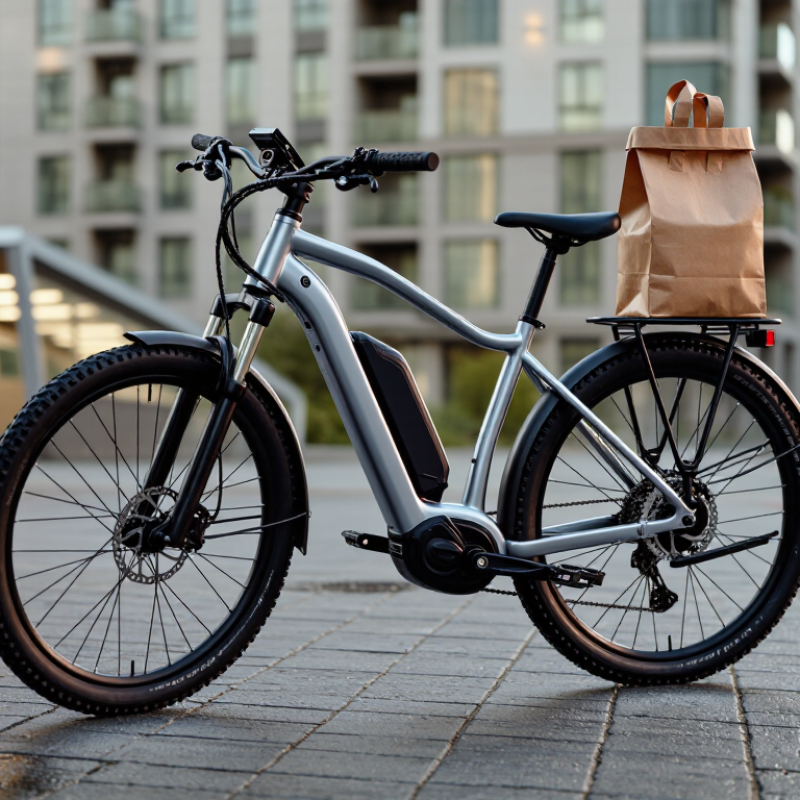
How to Choose an Electric City Bike in 2026?

Define Your Daily Riding Needs and Electric Bike Use Cases

How to Choose an Electric City Bike in 2026? Start with your daily riding needs, not the motor’s headline number. The U.S. Department of Transportation’s 2022 National Household Travel Survey found that roughly half of trips are five miles or less. Measure your routine. Track your commute for one week. Record distance, hills, traffic, weather, parking, and charging access. A three-mile flat ride needs different equipment from a hilly route carrying groceries.

The International Energy Agency’s Global EV Outlook 2024 estimated more than 280 million electric two- and three-wheelers were in use worldwide in 2023. That figure shows broad adoption, but it does not define your ideal bicycle. Compare independently tested range instead of advertised maximum range. A removable battery helps apartment storage. Torque matters on hills. A rear rack, strong brakes, full fenders, and integrated lights may matter more than extra speed. Weather changes everything.

Think through your least convenient day. Will you carry a laptop, rain jacket, or weekly shopping? If yes, check payload limits and frame stability. If you transport a child, confirm local requirements and suitable safety equipment. Fit is practical: your feet should reach the ground comfortably, and the handlebar should not force a strained posture. I would not trust my first range estimate. Cold temperatures, frequent stops, tire pressure, and heavy loads reduce performance. Leave room for those ordinary surprises.

Understand Motor Types, Power Ratings, and Pedal Assistance

How to Choose an Electric City Bike in 2026?

Motor choice shapes how an electric city bike feels on ordinary streets. Hub motors sit in the wheel and deliver steady, predictable assistance. They suit flat commutes and usually keep maintenance simple. Mid-drive motors sit near the pedals, improving balance and climbing ability. They can feel more natural on steep roads, but often cost more. I have found that a quieter motor is not always stronger.

Power ratings need careful reading. A motor marked 250 watts may perform differently from another with the same rating. Voltage, controller limits, rider weight, and hill angle all affect real performance. Look for continuous power information, not only a peak figure. A short burst helps at traffic lights. Sustained output matters on long climbs. Local regulations may also limit motor power or assisted speed, so check current rules before buying.

Pedal assistance should match your riding habits. Cadence sensors start assistance when the cranks turn, creating a simple, sometimes abrupt response. Torque sensors measure how firmly you pedal and usually provide smoother control. Test both if possible. On a crowded street, gentle assistance feels safer than a sudden surge. Check the display, too. Large buttons and clear battery readings matter in rain or bright sunlight. I once focused too much on motor strength and overlooked sensor tuning. That mistake made the bike tiring in slow traffic.

Compare Battery Capacity, Range, Charging, and Replacement Costs

How to Choose an Electric City Bike in 2026?

Battery capacity is measured in watt-hours, or Wh. A larger battery usually supports longer rides, but it also adds weight and cost. For daily city travel, compare usable range rather than advertised range. Traffic, hills, cold weather, rider weight, and frequent stops can reduce distance noticeably.

A 500Wh battery may feel generous on flat roads, yet deliver less during winter commuting. I once underestimated this difference. My route included several steep streets.

Charging time matters when the bike is used every day. Check the charger’s output and the battery’s full charging time. A removable battery is useful for apartment living, especially when indoor charging is necessary. Avoid storing it in extreme heat or freezing conditions. Ask whether the battery management system protects against overcharging and overheating. These details show more expertise than a headline range number.

Tips: Calculate your weekly distance, then add a practical reserve. If you ride 15 kilometers daily, do not choose a battery that barely covers 15. Leave room for weather and detours. Compare replacement prices before purchase, including labor and recycling arrangements. Battery life depends on charging habits, storage, and usage, so replacement may become a serious ownership cost. A clear warranty and available service support are valuable, even if the initial price is slightly higher.

Evaluate Frame Design, Comfort, Safety, and Essential Equipment

How to Choose an Electric City Bike in 2026?

Frame design determines how confidently the bike behaves in traffic. A low-step frame helps riders stop, mount, and carry groceries more easily. However, excessive flex can make steering feel vague. During test rides, squeeze both brakes and turn slowly at walking speed. The bike should feel stable, not nervous. Check frame welds, cable routing, and the manufacturer’s maximum load. ISO 4210 and EN 15194 offer useful safety benchmarks, but certification does not replace careful inspection.

Comfort depends on contact points, not just a soft saddle. Choose an upright position with adjustable handlebars and enough knee clearance. Wide tires can absorb cracked pavement, while puncture protection reduces roadside repairs. NACTO’s 2023 Shared Micromobility Report recorded 157 million trips in the United States, showing how often urban bikes face demanding, uneven streets. Test it loaded. A rack, strong kickstand, full fenders, chain guard, and integrated lights matter on real commutes. I still overvalue sleek styling sometimes. That bias is real.

Safety equipment should remain visible and practical. Select front and rear lights, side reflectors, a bell, reliable hydraulic or mechanical disc brakes, and a certified helmet. Use a frame-mounted lock, not only a thin cable. The World Health Organization’s Global Status Report on Road Safety 2023 estimates 1.19 million annual road deaths worldwide, so predictable braking and visibility deserve priority. Check battery mounting, charging protection, and water resistance ratings carefully. Marketing language can be vague. Read the manual.

How to Choose an Electric City Bike in 2026

Suggested shopping priorities for comparing frame design, comfort, safety, and essential equipment.

Use these suggested weights to structure a comparison, not as market-survey results. Check frame fit and riding position in person, and verify that brakes, lights, reflectors, and other required equipment meet local regulations.

Check Legal Requirements, Maintenance Needs, Warranty, and Total Value

Before comparing motor power or frame style, check the rules where you plan to ride. Local requirements may cover speed limits, motor assistance, helmet use, lights, or where bikes can travel. Rules can differ between a city street and a shared path. Verify current guidance with your local transport authority, and save a screenshot or link for reference. A quick check now can prevent an expensive mismatch later.

Maintenance affects both safety and everyday convenience. Ask how often the brakes, tires, chain, and electrical connections need inspection, and whether nearby repair shops can service the bike. Look for clear battery care instructions and a realistic replacement cost. Small details matter: a heavy battery can be awkward to carry upstairs. I sometimes overlook that until imagining a rainy commute with a full backpack. Not ideal.

Read the warranty beyond its headline length. Check what it covers, how claims are handled, and whether labor, battery capacity loss, or water damage is excluded. Keep the purchase receipt and follow the stated care schedule. Then estimate total value over several years: purchase price, routine service, likely parts, charging, and secure storage. A lower sticker price may not stay lower. Nor is the longest warranty automatically the best; clear terms and accessible service can matter more.