How to Choose the Right Angular Miter Gears for Your Needs?
When it comes to selecting the right angular miter gears, expertise matters. Industry expert Dr. John Thompson, a leading mechanical engineer, states, "Choosing the right angular miter gears can significantly enhance your machinery’s performance." This insight underscores the importance of making informed decisions in an area that often feels overwhelming.
Angular miter gears are crucial in applications requiring precise angles. Their design allows for transferring motion efficiently between non-parallel shafts. However, navigating the various specifications can be challenging. Misalignment or incorrect gear ratios can lead to inefficiencies. Understanding your specific requirements is key to preventing costly mistakes.
In your search for the perfect angular miter gears, consider factors like load capacity and material. The right choice impacts durability and functionality. Not all options will suit your application, and it's essential to reflect on what you truly need. Taking time to evaluate your options can yield significant long-term benefits.
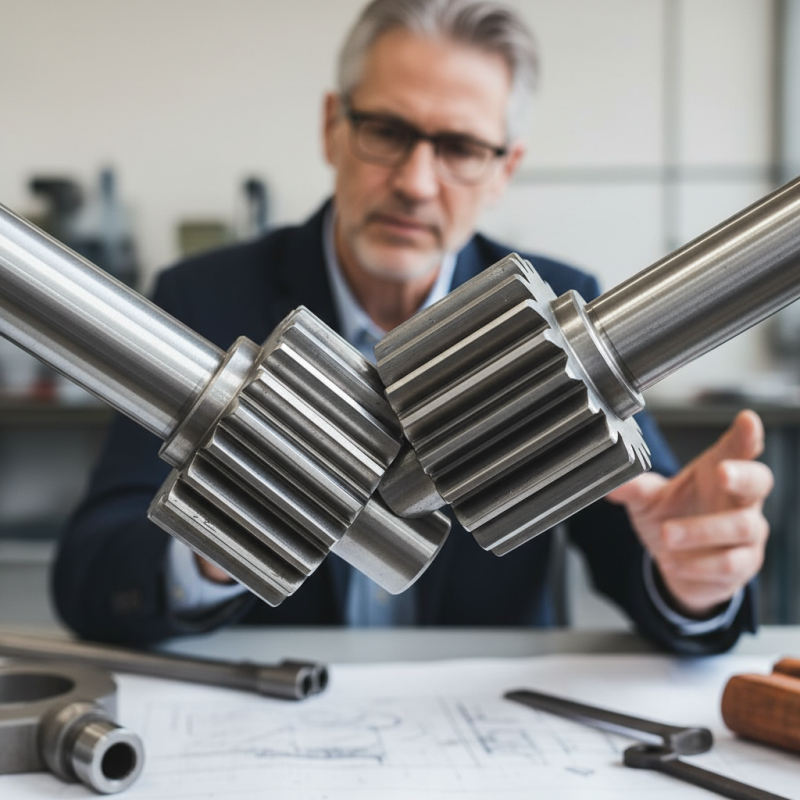
Understanding Angular Miter Gears and Their Applications
Angular miter gears are essential components in various mechanical systems. They allow for directional changes in motion, making them suited for applications like robotics and machine tools. These gears can transmit power efficiently while maintaining precise angular positioning.
According to a recent industry report, the global market for miter gears is projected to grow by over 5% annually through 2026. This growth reflects an increasing demand in sectors such as automotive and aerospace. However, selecting the right gear requires knowledge of specific, often overlooked factors, such as load capacity and speed ratio. Many engineers might prioritize cost over performance, risking system efficiency.
When considering these gears, one must also think about material durability. Steel and plastic offer different benefits, influencing the gear's lifespan. An improperly selected gear could lead to mechanical failure. This is a common oversight, especially in designs meant for high-stress applications. Ultimately, understanding these nuanced requirements is essential for achieving reliability and effectiveness in your projects.
Key Factors to Consider When Selecting Angular Miter Gears
When selecting angular miter gears, several key factors should be considered. First, determine the specific application and its requirements. The load and speed are paramount. High loads demand robust materials and careful engineering to ensure longevity. On the other hand, high-speed applications need gears designed for minimal friction. Assessing your needs early will guide your selection effectively.
Material selection is crucial too. Common materials include steel and plastic. Steel offers durability, while plastic can be lighter and less expensive. However, plastic may not withstand demanding conditions as well as steel. Each material has its pros and cons. Understanding them helps in making informed choices.
Tips: Always consult engineering specifications. Check compatibility with existing systems. Seek expert advice when uncertain. A small miscalculation can lead to failures. Additionally, consider the environment where the gears will operate. Factors like temperature and humidity can affect performance. Stress testing prototypes can reveal issues before full-scale production. This hands-on approach aids in refining your choices and ensuring reliability.
Comparing Material Options for Angular Miter Gears
When selecting angular miter gears, material choice is essential. Common materials include steel, aluminum, and plastic. Each material has unique properties affecting performance. Steel gears offer superior strength and durability. Their resistance to wear makes them ideal for heavy-duty applications. A report from the Gear Manufacturers Association notes that over 70% of industrial gear failures stem from material fatigue.
Aluminum gears are lighter and resist corrosion. They are suitable for applications where weight is a critical factor. However, aluminum has limitations in terms of load capacity compared to steel. Plastic gears are often used in low-load scenarios. They are lightweight and cost-effective but can wear out quickly under stress.
Material selection should also consider environmental factors. For example, exposure to harsh chemicals can degrade certain plastics. As a general guideline, selecting materials based on the application’s specific needs is crucial. Gear engineering requires careful evaluation. Not all materials are right for every situation, and each choice may result in unique challenges down the road. Explore detailed material specifications before making decisions.
How to Choose the Right Angular Miter Gears for Your Needs? - Comparing Material Options for Angular Miter Gears
| Material | Durability | Weight | Cost | Typical Applications |
| Steel | High | Heavy | Moderate | Industrial machinery |
| Aluminum | Moderate | Lightweight | Higher | Aerospace |
| Plastic | Low | Very Lightweight | Low | Consumer products |
| Bronze | High | Moderate | High | Marine applications |
| Carbon Steel | Very High | Moderate | Low | Automotive |
Evaluating Gear Ratio and Performance for Your Projects
When selecting angular miter gears, understanding gear ratio is crucial. Gear ratio determines how torque is transferred between gears. A higher gear ratio can provide more torque but may reduce speed. Determine what you need for your project. A balance between speed and torque is vital.
Evaluating performance goes beyond just gear ratio. Consider material quality and production techniques. When engaging with vendors, ask about their manufacturing processes. Reliable suppliers will be transparent and share detailed information. You might discover that some gears work better under specific conditions than others.
Experimenting with different configurations can also yield surprising results. A setup that seems optimal may not perform as expected. Testing gears in real-world applications offers insight into their actual performance. Don’t hesitate to revise your choices based on findings. Making adjustments can lead to improved efficiency and effectiveness. Embrace the process of refinement and learn from it.
Evaluating Gear Ratio and Performance for Angular Miter Gears
Tips for Ensuring Proper Installation and Maintenance of Gears
When selecting angular miter gears, proper installation and maintenance are critical for optimal performance. Mishandling during installation can lead to inefficiencies or even equipment failure. Research shows that improper gear alignment can reduce lifespan by up to 30%. Therefore, meticulous attention to detail is necessary.
Before installation, ensure all components are clean and free from debris. Damaged or worn-out parts should be replaced to prevent malfunctions. Align the input and output shafts accurately. Using a torque wrench helps achieve the appropriate tightening level, avoiding over-compression of the gears.
Regular maintenance is essential for longevity. Lubricate gears according to the manufacturer's recommendations. This prevents wear and tear. Monitoring for unusual noises can indicate underlying issues that require immediate attention. Data from industry reports indicate that preventive maintenance can lead to a 15% reduction in downtime. Consistency is vital; schedule routine check-ups and keep a log of any anomalies.

