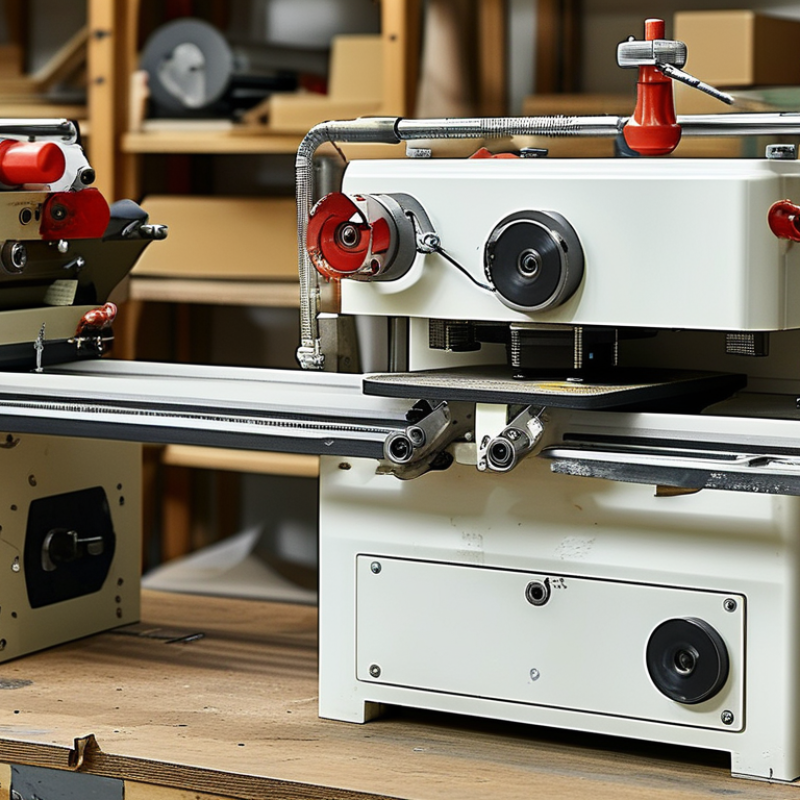
How to Choose the Best Rotary Die Cutting All in One Machine?
Choosing the right Rotary Die-Cutting All-in-One Machine can be a daunting task. With numerous options available, it's vital to make an informed decision. This machine is essential for various industries, from crafts to packaging. It combines several functions, saving space and time.
When selecting a machine, consider your specific needs. Not every rotary die-cutting machine suits all applications. Look for features that align with your projects. User reviews and expert recommendations can provide valuable insights into quality and reliability.
It's important to acknowledge that finding the perfect model may involve some trial and error. You might encounter challenges that require adjustments in your workflow. Embrace this process as a learning experience. Ultimately, the right Rotary Die-Cutting All-in-One Machine will enhance your creativity and efficiency.
Understanding Rotary Die Cutting Machines and Their Applications
Rotary die cutting machines are essential in various industries, including packaging, textiles, and automotive. They efficiently cut, shape, and form materials like paper, cardboard, and plastic. Data from the global packaging market indicates that this sector alone is expected to reach approximately $500 billion by 2024, highlighting the need for effective cutting solutions.
Understanding rotary die cutting is vital for enhancing production quality. These machines can produce precise shapes at high speeds. According to industry reports, rotary die cutting can improve productivity by up to 30%. This efficiency allows companies to meet increasing demand without compromising quality. However, selecting the right machine requires careful consideration of material type and intended application.
While rotary die cutting offers many advantages, there are challenges. Operators must have a thorough understanding of the materials being used. A mismatch can lead to waste and increased costs. Additionally, maintenance is crucial for performance longevity. Regular checks and timely repairs can prevent downtime, which is critical in fast-paced production environments. Companies should also invest in training to ensure their staff can navigate these machines effectively.
Key Features to Consider When Selecting a Rotary Die Cutting Machine
When selecting a rotary die cutting machine, several key features must be considered to ensure optimal performance. First, the machine's cutting speed can significantly impact productivity. According to industry reports, a higher cutting speed leads to increased output, making it essential for large-scale operations. Machines offering adjustable speeds provide flexibility, allowing users to adapt to different materials and job requirements.
Another crucial feature is the machine's maximum material thickness capability. Many businesses face challenges with varying material types. A rotary die cutting machine that accommodates various thicknesses enhances versatility. Research indicates that machines able to process materials up to 1/4 inch exhibit better adaptability in production lines.
Moreover, user-friendly controls can greatly enhance efficiency. Operators should be able to quickly adjust settings without extensive troubleshooting. Training operators can sometimes take longer than expected. Thus, machines with intuitive interfaces and comprehensive manuals reduce downtime. Ultimately, the right rotary die cutting machine elevates manufacturing processes when thoughtfully chosen based on these critical features.
Evaluating Performance and Efficiency in Die Cutting Equipment
When evaluating the performance and efficiency of rotary die cutting machines, several factors come into play. Speed is a primary metric. Machines must deliver high output without compromising quality. A well-regarded industry report from Smithers indicates that machines capable of achieving 100 meters per minute significantly enhance productivity in the packaging sector. However, operators should not overlook setup time. Fast machines may require more frequent adjustments, leading to potential downtime.
Another critical aspect is precision. Accuracy in die cutting translates into fewer material waste and lower production costs. Data from the Association of Paper and Paperboard Industries shows that cutting errors can lead to a waste increase of up to 3%. This adds to expenses and can disrupt production schedules. Reliability also plays a crucial role. Machines with a history of breakdowns can impact overall efficiency. Operators should assess maintenance records and user reviews to gauge reliability.
Moreover, user training on these machines can drastically affect output. An investment in skilled operators is essential. Conversely, poor training can lead to errors. Continuous monitoring is vital for sustaining peak performance. As technology advances, staying updated on best practices is necessary. Balancing speed and precision is crucial but often challenging. Understanding each machine's capabilities and limitations can greatly influence operational success.
Performance Comparison of Rotary Die Cutting Machines
Comparing Popular Brands and Models of All-in-One Machines
When considering rotary die cutting machines, a detailed comparison of popular brands and models is essential. Recent industry reports indicate that these all-in-one machines have grown in demand, with a projected market growth rate of over 6% annually. Evaluating features, capabilities, and user experiences can help in making a well-informed decision.
One notable trend in the market is the rise in versatility of these machines. Many models now support a range of materials, from paper to thin plastics. However, not all machines deliver consistent results across all materials. User reviews often highlight variances in cutting precision, especially with intricate designs. It's critical to consider the machine’s adaptability to different projects.
In addition, operational factors matter. User feedback suggests that some models may struggle with heavier loads or extended use, leading to performance issues. Buyers must weigh these aspects against their specific needs. Ultimately, gathering insights from multiple sources, including user testimonials and expert reviews, can provide a more rounded perspective. A thorough understanding of these factors can lead to a better choice for both hobbyists and professionals.
Budgeting and Cost Analysis for Rotary Die Cutting Machines
When budgeting for a rotary die cutting machine, it’s crucial to understand all costs involved. The upfront price is just the beginning. Think about additional expenses like maintenance and operation. Often, these can add up quickly. Will you need specialized tools? Factor that in too.
Also, consider the learning curve. Training staff on new equipment incurs costs as well. If employees take time to adapt, that affects production. You might think you're saving money, but hidden costs can throw off your budget. Take time to research various models and their long-term costs.
Another important aspect is the return on investment. A cheaper machine may seem appealing, but does it meet your production needs? Investing in a reliable, high-quality option could pay off in the long run. Ensure you analyze how often and what materials you will be cutting. This will guide you in making a more informed financial decision.
How to Choose the Best Rotary Die Cutting All in One Machine? - Budgeting and Cost Analysis for Rotary Die Cutting Machines
| Machine Type | Initial Cost ($) | Operating Cost ($/hour) | Maintenance Cost ($/year) | Average Lifespan (years) | Production Speed (units/hour) |
| Entry Level Model | 5000 | 20 | 300 | 5 | 50 |
| Mid Range Model | 12000 | 30 | 500 | 7 | 100 |
| High-End Model | 25000 | 50 | 800 | 10 | 200 |