ClickCease

How to Choose the Best Metal Tool Box in 2026

Choosing the best Metal Tools Box in 2026 is less about buying the largest case and more about matching it to your work. A box that fits neatly under a bench may be awkward to carry across a job site. One with shallow drawers can make small fasteners easy to find, but leave little room for a drill. Details matter. Check the steel thickness, drawer slides, handle attachment, and latch before comparing finishes or extras.

Workshop-storage specialist Daniel Reed sums up the decision this way: “A good tool box protects your tools, but it should also make the next task easier.” That is a useful test, not a guarantee. Think about the tools you actually reach for, then check the box’s internal dimensions against them. A tape measure helps. So does a quick count of your heavier items. Look for smooth drawer movement under load, reinforced corners, and a finish that can handle ordinary workshop scuffs. If the box will travel, consider its weight when full, not just empty.

This guide explores construction, capacity, portability, security features, and value, helping you compare options with practical criteria. It also considers a common oversight: storage needs change. You may buy more tools. You may rearrange your workspace. No box solves every problem. Still, a careful choice can reduce clutter, protect equipment, and save time spent searching for a socket buried beneath a wrench. Check product specifications closely, and treat broad durability claims with a little caution. Don’t rush the fit.
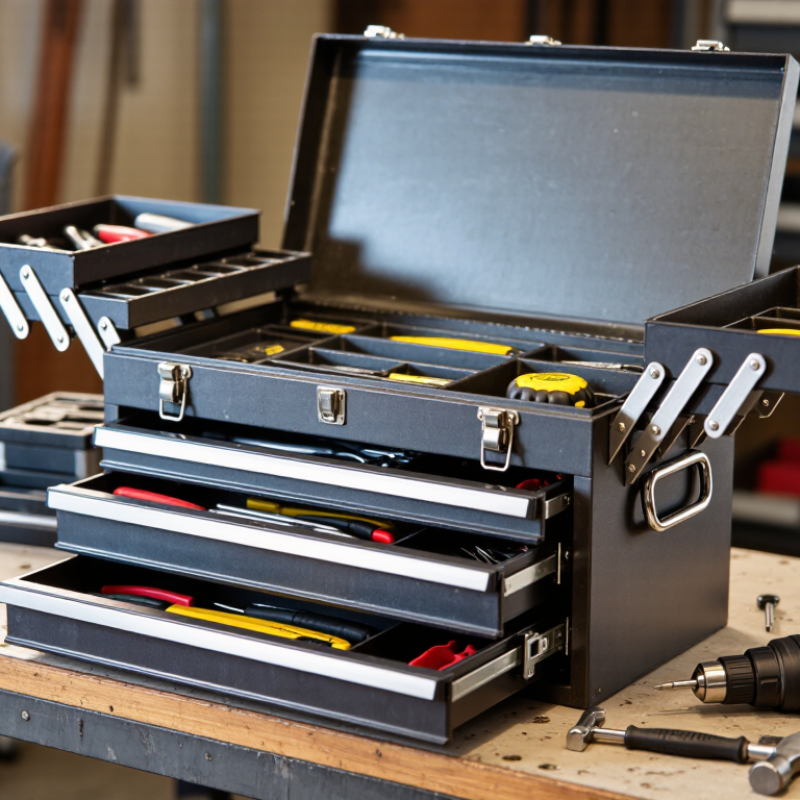
How to Choose the Best Metal Tool Box in 2026

Identify Your Tool Storage Needs and Intended Use

How to Choose the Best Metal Tool Box in 2026

Identify Your Tool Storage Needs and Intended Use

Start with the tools you actually carry. A homeowner storing a drill, tape measure, and fasteners needs different storage from a technician hauling heavy sockets between job sites. List your largest tools, then check their dimensions against drawer depth and box capacity. Measure the space where the box will live, too. Small detail. Big difference.

Think about travel, weight, and access. A stationary workshop box can prioritize deep drawers and a broad top surface. For frequent transport, handles, secure latches, and manageable loaded weight matter more. The U.S. Bureau of Labor Statistics reported 2.6 million nonfatal workplace injuries and illnesses in private industry for 2023. That figure does not show that tool boxes prevent injuries, but it is a useful reminder to consider lifting and handling. A larger box can become a burden once it is full.

Tips: Weigh your usual load, not just the empty box. Keep frequently used tools near the top, and reserve a little space for future additions. Avoid buying capacity you cannot comfortably move. I’d choose a slightly smaller box over one that stays awkwardly overloaded.

Compare Metal Types, Construction Quality, and Durability

A metal tool box should match the weight and conditions of the tools it carries. Steel usually handles heavy loads well, but it can rust when its coating is scratched and moisture sits in seams. Aluminum is lighter and resists corrosion, though thin panels may dent under rough handling. Stainless steel offers strong corrosion resistance, but its added cost and weight may not suit every workshop.

Check the corners. Look for even seams, secure welds or rivets, and a lid that sits flush without rocking. A practical check is to open and close the box several times; hinges should move smoothly, and the latch should catch without forcing it. Feel the lid. Thin sheet metal may flex when pressed, which can loosen fittings over time. I would not judge durability by thickness alone: poor joints can fail before a sturdy panel does. For a damp garage, inspect the coating and seams closely. For a truck bed, prioritize firm latches and reinforced corners that resist vibration. No box is indestructible, and a heavier model can become awkward when fully loaded.

How to Choose the Best Metal Tool Box in 2026

Typical material density: a useful comparison, but not a durability score

Typical room-temperature densities are approximately 2.70 g/cm³ for aluminum, 7.85 g/cm³ for carbon steel, and 8.00 g/cm³ for stainless steel. Aluminum can reduce toolbox weight, while steel options are denser; density alone does not determine strength or service life. Compare material thickness, formed edges, welds, hinges, latches, and corrosion protection before choosing.

Choose the Right Size, Layout, and Storage Features

How to Choose the Best Metal Tool Box in 2026

Choose the Right Size, Layout, and Storage Features

Start with the tools you actually use, not the box’s advertised capacity. Lay them out on a bench and measure the longest items, such as a level or wrench. Leave room for your hands to lift tools without scraping the lid. A box that is too large can become heavy and awkward; one that is too small invites clutter. Measure twice. Then check the interior dimensions, since thick walls and rounded corners reduce usable space.

Choose a layout that matches your work. Removable trays help keep screwdrivers and small fittings visible, while deep compartments suit drills or bulky hand tools. Drawers can improve access, but loaded drawers add weight and need sturdy slides. Check the handle, hinges, and latch for solid construction. If the box will travel in a vehicle, look for a lid that stays shut over bumps and corners that resist dents. A small flaw in the layout may seem harmless until you need one socket at the bottom.

Tips: Place frequently used tools near the top. Test the latch with the box gently tilted, and check whether dividers can be repositioned. If you cannot inspect it in person, compare interior measurements carefully. I would still leave a little spare room; tool collections tend to grow.

Evaluate Portability, Security, and Workplace Conditions

A metal tool box should suit the way you work, not just the tools on a checklist. For frequent site moves, compare its empty weight, handle comfort, and latch position. A box that feels manageable in a shop may strain your wrist after a full shift. Small details matter. Look for reinforced corners, well-seated hinges, and a hasp that closes smoothly. A lock can discourage casual access, but it cannot replace careful tool tracking.

Tips: Place heavier tools near the base, then lift the box before buying. Test the lock while wearing gloves. Check whether drawers slide open when the box tilts. These simple checks can reveal awkward balance and rattling that product photos hide.

Workplace conditions matter, too. Dust, rain, metal shavings, and repeated knocks can expose weak seams or unfinished edges. Choose a finish suited to the setting, and check for chips that could lead to rust. In shared workshops, clear labels and a consistent storage spot may help more than a heavier lock. A perfect fit is hard to predict: tool collections change, and a roomy box can become cramped. Leave space for likely additions, but avoid carrying unnecessary weight all day.

Compare Warranty, Maintenance Needs, and Overall Value

When comparing metal tool boxes in 2026, look beyond the price tag and advertised warranty length. A five-year warranty may sound reassuring, but its exclusions matter more than the headline. Check whether it covers hinges, drawer slides, locks, and corrosion, and whether shipping or labor is your responsibility. Read the fine print. Keep the receipt and note the purchase date; warranty claims often depend on both.

Maintenance affects value too. Powder-coated steel usually needs little more than wiping away grit and drying wet surfaces, while exposed scratches can become rust points. Inspect drawer slides for dust, and use suitable lubricant when movement turns rough. Avoid forcing an overloaded drawer. That matters. A box kept in a damp van may need more attention than one stored in a dry workshop, even if both have similar construction.

Compare the likely lifetime cost, not just the checkout total. A sturdier box with replaceable slides may be better value for daily use, while a lighter model can suit occasional home repairs. Check drawer capacity, weld quality, and whether replacement parts are available. I would not assume a longer warranty proves better build quality; warranty terms and upkeep tell different stories. This comparison is imperfect: a heavy box may last well but still be awkward or costly to move. Consider where it will live.

How to Choose the Best Metal Tool Box in 2026 - Compare Warranty, Maintenance Needs, and Overall Value

Tool Box Type Best Suited For Warranty Checks Maintenance Needs Security and Weather Protection Overall Value Considerations
Portable steel toolbox Hand tools and small repair kits carried between work areas. Review the written coverage for the body, handle, hinges, latch, and included removable tray. Check exclusions and the process for making a claim. Wipe away dirt and moisture; dry the box before storage. Keep hinges and latches clean, and use a suitable lubricant if they become stiff. A latching lid helps keep contents together, but protection from rain and forced entry depends on the design and lock arrangement. Often a practical choice when portability and simple storage matter more than large capacity. Compare usable interior space and loaded carrying weight.
Rolling steel tool chest Workshops or garages where many tools need to be stored and moved on a level floor. Check whether coverage includes drawer slides, casters, locks, and structural parts. Confirm any load limits and warranty exclusions in the written terms. Keep drawer slides clear of debris; inspect caster fasteners and locks periodically. Avoid exceeding the stated drawer and total load ratings. Lockable drawers can deter casual access, but a rolling chest is not automatically weatherproof or suitable for outdoor storage. Can offer good value when drawer organization and frequent movement are useful. Account for floor space, wheel quality, and the cost of a fully loaded unit.
Truck-bed crossover box Storing tools across a pickup bed while retaining space below the box. Check coverage for the lid, seals, hinges, lock, and finish. Verify fit requirements and whether installation or vehicle-related issues are excluded. Clear dirt from seals and hinges; inspect the lid alignment and mounting hardware. Repair damaged coatings promptly to limit corrosion. Seals and a well-fitting lid can help reduce water and dust entry, but performance varies by design, installation, and exposure. Value depends on vehicle fit, accessible storage, and how much bed space remains usable. Check dimensions and installation requirements before purchase.
Steel jobsite box Securing larger tools and equipment at a worksite or in a stationary storage area. Review coverage for welds, lid, hinges, locking points, and finish. Confirm whether corrosion, wear, or damage from improper installation is excluded. Inspect the coating, seams, hinges, and lock regularly. Keep the box drained and dry where possible, and touch up exposed metal using a compatible coating. Heavy construction and lockable hasps can improve resistance to everyday jobsite use, but no box should be assumed theft-proof or fully weatherproof without stated ratings. May justify its size and weight when storage capacity and durability are priorities. Compare usable volume, empty weight, anchoring options, and handling needs.
General buying check Any buyer comparing metal tool boxes. Warranty length and coverage vary by product and seller. Read the current written warranty rather than relying on a general category average. Regular cleaning, drying, inspection of moving parts, and prompt attention to chipped coatings help maintain a metal box. Look for clearly stated lock, water-resistance, and load information; do not infer a rating from appearance alone. Compare total cost with fit, capacity, construction, warranty terms, maintenance, and the features you will actually use.

Specifications and warranty terms differ between products. Confirm current dimensions, load ratings, protection claims, and written warranty conditions before buying.