Auto Repair Shop In Plainfield, IL
Choosing the right ACB Breaker in 2026 requires more than matching a current rating. Modern facilities demand dependable protection, measurable selectivity, and practical maintenance access. A breaker may look suitable on paper yet fail during a real fault study. The decision should connect equipment data, site conditions, and verified manufacturer information.
Engineers usually begin with system voltage, continuous load, prospective short-circuit current, and available fault levels. They then examine frame size, rated service current, interrupting capacity, pole configuration, and trip-unit functions. Electronic releases can provide long-time, short-time, instantaneous, and ground-fault protection. Communication options may also support alarms, energy monitoring, and maintenance records. These features matter near transformers, generators, and heavily loaded distribution boards. Still, more functions do not automatically mean better protection. Not every option matters.
A credible selection process checks coordination with downstream breakers and confirms installation clearances. It also considers ambient temperature, humidity, altitude, enclosure design, and switching frequency. A site walk can reveal crowded cable chambers or blocked racking space. Those details are easy to miss in a spreadsheet. Independent verification against applicable IEC requirements and local electrical rules remains essential. Routine maintenance plans should identify inspection intervals, trip testing, spare parts, and trained personnel. No selection guide is perfect. Actual projects contain incomplete drawings, changing loads, and assumptions that deserve challenge. Details decide reliability. This guide examines how to compare ACB Breaker specifications in 2026 and make a defensible choice.
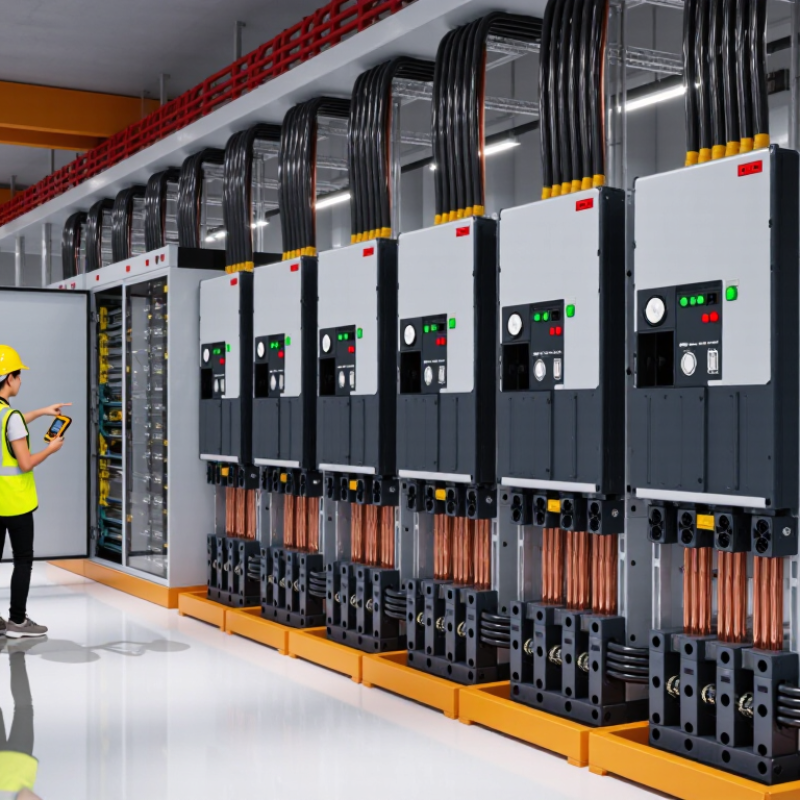
An air circuit breaker, or ACB, is a low-voltage protective device for high-current electrical systems. It uses air to extinguish the arc created when its contacts separate. ACBs commonly protect main switchboards, generators, transformers, and large industrial feeders.
Inside the breaker, fixed and moving contacts carry normal current. When a fault occurs, the trip unit detects excessive current and releases the operating mechanism. The contacts open quickly, while arc chutes divide, cool, and weaken the arc.
Protection may cover overload, short circuit, and earth fault conditions. Some electronic trip units also provide adjustable delays and measurement data.
Air is the arc medium. Arc control matters.
Choosing the right ACB requires more than matching the rated current.
Check system voltage, continuous current, interrupting capacity, number of poles, and short-time withstand strength. Coordination with downstream breakers helps isolate a fault without shutting down the whole board.
A drawout version can simplify inspection and maintenance, while a fixed version may reduce cost and space.
In practice, installation conditions can change the result. Heat, enclosure size, cable arrangement, and available fault current all deserve review.
IEC 60947-2 provides a useful technical reference, but local regulations and qualified verification remain essential.
It sounds simple, but it is not.
A careful engineer should verify settings against real load data instead of relying only on a catalog rating.
An ACB’s electrical ratings must match the installation, not only the expected load.
IEC 60947-2:2016 covers low-voltage circuit breakers up to 1,000 V AC and 1,500 V DC. Check the rated operational voltage, continuous current, frequency, and number of poles. For a 415 V switchboard carrying 2,800 A, a 4,000 A frame may provide useful margin. It does not automatically provide adequate fault protection.
Breaking capacity deserves closer attention. NFPA 70 (2023), Section 110.9, requires an interrupting rating at least equal to the available fault current at the installation point. A 50 kA ACB is unsuitable where calculations show 65 kA. The short-time withstand rating also matters, especially when selective coordination is required. For example, 50 kA for one second may support downstream breaker discrimination, but only if the system study confirms it. Guessing here is expensive.
The International Energy Agency’s Electricity 2024 report forecasts global electricity demand growth of about 4% annually through 2025. More load growth can raise prospective fault levels in expanding networks. Review temperature-rise data, altitude correction, neutral protection, and adjustable trip settings. Field inspections often find an acceptable current rating paired with an overlooked short-circuit rating. A neat nameplate can still hide a poor selection. Engineers should verify manufacturer test certificates, system calculations, and local installation rules. Some projects still rely on old fault studies; that is a weakness worth correcting.
Matching ACB capacity with your power system starts with measured demand, not guesswork. Record the system voltage, phase arrangement, operating current, and expected load growth. An ACB’s frame size is not its actual continuous rating. Set the rated current above the calculated maximum, while protecting the conductors and busbars. Leave practical thermal margin. Too much margin can delay fault protection.
Check the prospective short-circuit current at the installation point. The ACB’s service short-circuit breaking capacity must exceed that value at the system voltage. Also verify short-time withstand strength, especially when coordination requires a delayed trip. A low-voltage switchboard may experience different fault levels from its transformer, generator, or utility connection. Use an approved fault study, not a rough estimate. The installation environment matters too. Heat, altitude, enclosure ventilation, and frequent switching can reduce usable performance.
Protection settings should coordinate with downstream breakers and cable limits. Review long-time, short-time, instantaneous, and ground-fault functions against actual equipment data. Selectivity may require a short delay, but that delay must not expose the busbar to unacceptable stress. I have seen designs based only on today’s peak load. They looked efficient. Later expansion created nuisance trips and costly changes. Recheck motor starting currents, harmonic loads, emergency sources, and future feeders. A final review by a qualified electrical engineer is essential, and field measurements should challenge assumptions rather than simply confirm them.
How to Choose the Right ACB Breaker in 2026?
Selecting an air circuit breaker starts with its protection duties, not its frame size. Define the available fault current, continuous load, and coordination requirements. An adjustable electronic trip unit usually provides better control than a fixed thermal setting. For essential distribution boards, LSIG protection may be appropriate. Long-time protects against overloads. Short-time manages delayed fault clearing. Instantaneous protection limits severe fault energy. Ground-fault protection helps detect leakage on grounded systems.
Tips: Review the single-line diagram before choosing settings. Confirm the breaker’s interrupting capacity with the calculated fault level. Use zone-selective interlocking when downstream coordination matters. Test each trip function during commissioning. A trip unit with metering can reveal overload patterns, but only if technicians review its data regularly.
Undervoltage release and shunt-trip accessories support controlled disconnection during emergencies or remote commands. Communication functions can send alarms to a monitoring system, yet they should not replace local testing. Set protection values with an experienced engineer, because cable size, transformer impedance, and motor starting current all affect coordination. I have seen settings copied from older projects without checking new loads. That shortcut creates risk. A perfect setting rarely exists; verified settings are better. Record every adjustment near the breaker and in the maintenance file.
Typical adjustable pickup ranges for IEC 60947-2 low-voltage ACB trip units
The chart shows commonly available adjustment ranges expressed as multiples of the ACB rated current (In). Long-time protection is used for overloads, short-time protection coordinates downstream breakers, instantaneous protection clears high-current short circuits, and earth-fault protection detects current returning through unintended paths. Actual settings must be coordinated with the cable rating, prospective short-circuit current, selectivity requirements, and the manufacturer’s trip-unit instructions.
These are representative industry ranges rather than mandatory values; IEC 60947-2 defines performance requirements, while the available adjustment range depends on the specific ACB and trip unit.
How to Choose the Right ACB Breaker in 2026?
Comparing ACB breakers requires more than checking the purchase price. Installation can change the real budget quickly. Measure the panel first. Confirm busbar spacing, available depth, cable direction, and required protection settings before ordering. A breaker that fits poorly may need adapters, extra labor, or panel modification. Those details can extend shutdown time, especially in a crowded switch room.
Maintenance costs deserve equal attention. Ask how easily technicians can inspect contacts, test trip units, and replace accessories. Clear access reduces labor during scheduled service. Record the expected testing interval and the cost of test equipment. A thermal scan after commissioning can reveal loose connections early. Small faults become expensive when ignored. I would not rely on a low maintenance estimate without checking local technician availability.
Lifecycle cost includes energy losses, spare parts, training, downtime, and eventual replacement. Compare the breaker’s service life under your actual load profile, not only its catalog rating. A spreadsheet may look precise, but it can hide uncertain outage costs. Use measured operating data when possible. Include a realistic allowance for unexpected repairs. The cheapest option is not always the most reliable one, and my own early comparisons have underestimated commissioning time. A careful review should show assumptions clearly, so another engineer can challenge them.
The following planning comparison uses typical 2026 market ranges for low-voltage air circuit breakers (ACBs). Costs are indicative USD values, excluding taxes, feeder modifications, switchboard replacement, shipping, and emergency work.
| ACB Configuration | Typical Continuous Current | Typical Short-Circuit Rating | Initial ACB Cost (USD) | Typical Installation Time | Installation Cost (USD) | Recommended Maintenance Frequency | Typical Maintenance Cost per Visit (USD) | Expected Service Life | Estimated 15-Year Lifecycle Cost (USD) | Best-Fit Application |
|---|---|---|---|---|---|---|---|---|---|---|
| Fixed-Mount, Thermal-Magnetic Trip | 630–1,600 A | 25–50 kA | $800–$1,600 | 4–6 hours | $400–$900 | Inspection every 3–5 years | $150–$350 | 10–15 years | $5,000–$9,000 | Small commercial buildings, light industrial feeders, and installations where low purchase cost is the priority. |
| Fixed-Mount, Electronic Trip Unit | 800–2,000 A | 35–65 kA | $1,800–$3,500 | 5–7 hours | $500–$1,100 | Functional test every 3 years | $250–$500 | 12–15 years | $7,000–$12,000 | Commercial facilities, production panels, and systems requiring adjustable protection and better coordination. |
| Drawout, Standard Electronic Trip Unit | 800–3,200 A | 42–65 kA | $3,000–$6,500 | 8–12 hours | $800–$1,800 | Visual inspection annually; service every 3 years | $400–$800 | 15–20 years | $10,000–$18,000 | Critical commercial loads, manufacturing lines, data rooms, and facilities that need faster replacement or testing. |
| Drawout, Advanced Electronic Trip Unit | 1,000–6,300 A | 50–100 kA | $6,000–$12,000 | 10–16 hours | $1,000–$2,400 | Annual inspection; detailed service every 2–3 years | $600–$1,200 | 15–20 years | $18,000–$32,000 | Hospitals, data centers, utilities, process plants, and high-availability systems requiring monitoring and selective coordination. |
| Evaluation Dimension | What to Check Before Selection | Typical Cost or Design Impact |
|---|---|---|
| Rated Current | Select an ampere rating above the calculated continuous load while considering ambient temperature, enclosure conditions, and future expansion. | Higher current frames generally increase purchase price, enclosure size, busbar requirements, and installation labor. |
| Interrupting Capacity | Verify the available prospective short-circuit current at the installation point through a short-circuit study. | A higher interrupting rating can raise initial cost but is essential for safe fault interruption and code compliance. |
| Fixed or Drawout Construction | Use drawout construction where rapid isolation, testing, or replacement is more valuable than minimum purchase cost. | Drawout designs typically cost more initially but can reduce outage duration and simplify maintenance. |
| Trip Unit Functions | Compare long-time, short-time, instantaneous, ground-fault protection, metering, communications, and zone-selective interlocking requirements. | Advanced protection and monitoring increase purchase price but may improve coordination, diagnostics, and energy management. |
| Maintenance Environment | Account for dust, humidity, corrosive atmosphere, switching frequency, vibration, and fault exposure. | Harsh environments require more frequent cleaning, inspection, testing, and possible contact or mechanism replacement. |
| Downtime Cost | Estimate the financial impact of an outage, including lost production, service interruption, safety procedures, and restart time. | A higher initial investment may be justified when avoiding one extended outage offsets the price difference. |
Calculation note: Lifecycle-cost ranges combine typical equipment purchase, installation labor, scheduled maintenance, testing, and one planned replacement or major refurbishment allowance over 15 years. Actual results depend on local labor rates, fault duty, operating cycles, environmental conditions, and the facility’s maintenance standard.
Plainfield, 60585, 60544, 60586, Naperville, 60564, Bolingbrook, 60490, 60440, Romeoville, 60446, Will, Kendall, DuPage, Counties. Our auto repair shop in Plainfield, IL, has been serving the local area plus all surrounding Chicagoland since 1978.
• Computer Diagnostic • Brake Shop • Engine Replacement • Transmission Rebuild • Clutch Replacement • Differential Rebuild • Suspension Shop • Steering • Shocks & Struts • Heating & Cooling • Electrical • Exhaust Shop • Catalytic Converter Replacement • Alignment • Domestic & Foreign Vehicle Service • Auto Repair In Plainfield, IL • Auto Repair Shops Near Me • Towing Service Near Me