How to Effectively Repair Your Cooling System?
A well-functioning cooling system is crucial for any vehicle or appliance. When it malfunctions, it can lead to significant issues. The process of cooling system repair can often feel overwhelming. Many overlook simple maintenance practices that can prevent costly repairs. Ignoring minor problems can escalate into major failures.
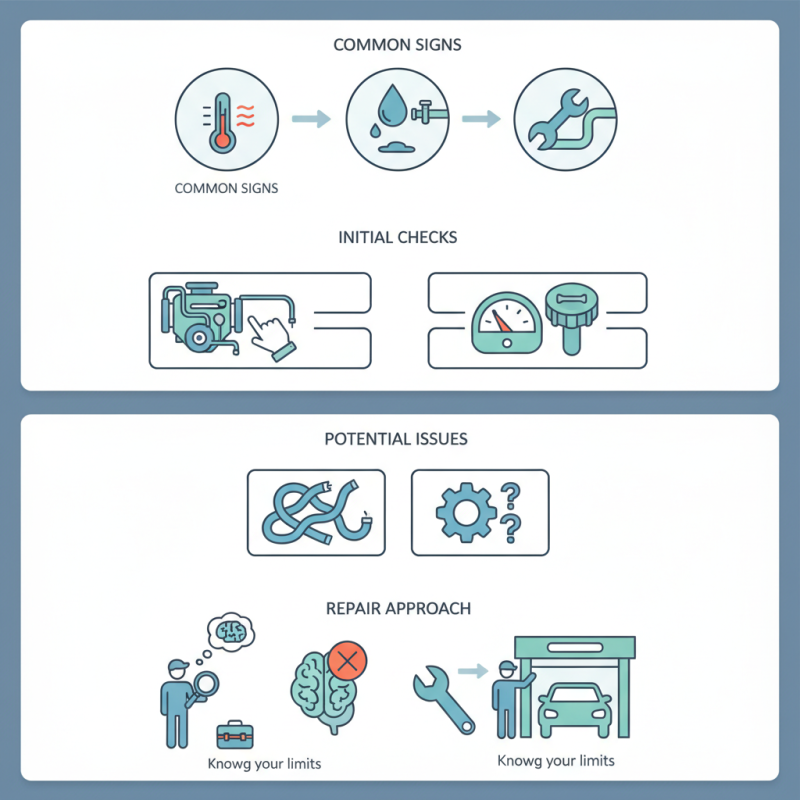
When tackling cooling system repair, consider the common signs of trouble. Overheating is a significant red flag. Leaks should also be addressed promptly. Checking hoses and connections can reveal hidden issues. Sometimes, a low coolant level indicates a bigger problem. If you notice unusual noises, investigate them quickly. These details may point to needed repairs.
Repairing your cooling system isn't always straightforward. It may require patience and a bit of research. Many DIY efforts can lead to mistakes. Reflect on your experiences to improve future repairs. Sometimes, consulting a professional is the best choice. Recognizing your limits can save time and frustration in the long run.
Understanding the Basics of Your Cooling System
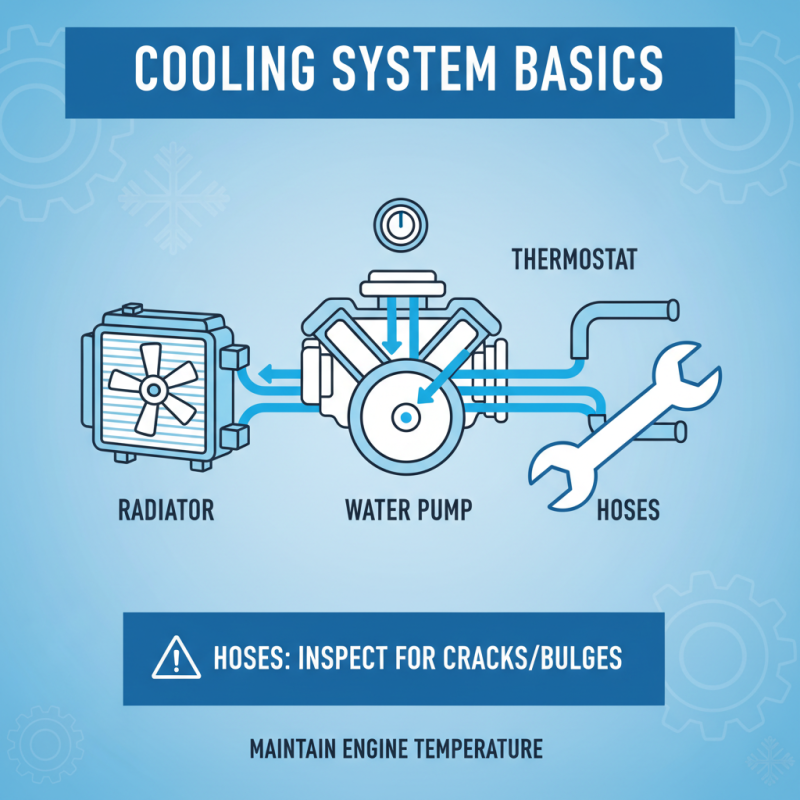
Understanding the basics of your cooling system is crucial for effective repairs. A cooling system typically consists of a radiator, thermostat, water pump, and hoses. Each part plays a vital role in maintaining optimal engine temperature. Over time, hoses can crack and leak. This can lead to a significant coolant loss. Regularly inspect the hoses for signs of wear. If you notice soft spots or bulges, it may be time for replacement.
The radiator is another key component. It cools the hot coolant coming from the engine. A clogged radiator can lead to overheating. Flushing the radiator can help remove debris and improve cooling efficiency. Pay attention to the temperature gauge on your dashboard. If it reads higher than normal, it’s a red flag. Inspect the coolant level in the reservoir too. Low coolant can lead to serious engine damage.
Thermostats regulate the flow of coolant. If a thermostat fails, it can cause fluctuating temperatures. This can create confusion and lead to misdiagnosis. Check your thermostat periodically. Also, think about the overall maintenance routine. Consistent checks can prevent larger issues. Skipping basic upkeep often leads to costly repairs. Reflect on your past experiences; have you overlooked anything? Each small detail matters in ensuring your cooling system runs smoothly.
Identifying Common Cooling System Issues
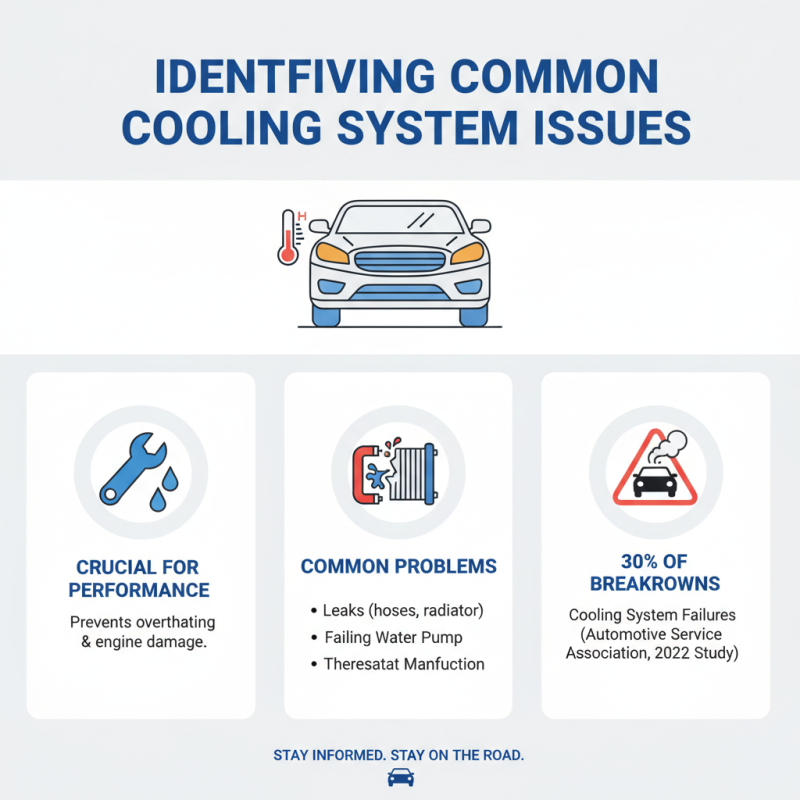
The cooling system is crucial for vehicle performance. Common issues often arise, leading to overheating and potential engine damage. A 2022 study by the Automotive Service Association found that roughly 30% of vehicle breakdowns stem from cooling system failures.
One prevalent issue is a coolant leak. This can result from worn hoses or damaged radiator components. Regular inspection of hoses is necessary. A small leak can grow, leading to bigger problems. Additionally, using the wrong type of coolant can affect system efficiency. Many drivers overlook the importance of maintaining proper coolant levels.
Thermostat failures are another major concern. A malfunctioning thermostat can cause the engine to overheat. It may stick in the closed position, restricting coolant flow. According to a report from the Society of Automotive Engineers, nearly 15% of heating issues are related to thermostat problems. Regular checks can prevent serious damage. Ignoring these problems can result in costly repairs and ineffective cooling.
Step-by-Step Guide to Diagnosing Cooling System Problems
Diagnosing cooling system problems requires careful observation and methodical steps. Start by checking the coolant level. Low coolant can cause overheating. Look for leaks under the vehicle. A puddle could indicate a damaged hose or radiator. Examine the hoses for cracks or wear. These parts are often overlooked but critical.
Listen to the engine while idling. Strange noises might suggest a failing water pump. If the temperature gauge rises unusually, there's an issue. Use a thermometer to measure the temperature of the engine. It can reveal overheating issues that aren't immediately obvious. Belts should also be checked. A loose or fraying belt can disrupt the cooling system’s efficiency.
Next, inspect the thermostat. A malfunctioning thermostat may prevent coolant circulation. Remove it, if needed, to ensure it opens and closes correctly. Remember to check the radiator cap. A faulty cap can lead to pressure loss and coolant evaporation. Each step may seem minor, but they play a vital role. If a problem is identified, solving it promptly can save you time and reduce repair costs later on. Consider documenting your findings to track any recurring issues.
How to Effectively Repair Your Cooling System? - Step-by-Step Guide to Diagnosing Cooling System Problems
| Step |
Description |
Tools Needed |
Estimated Time |
| 1 |
Check coolant levels |
Coolant tester |
10 minutes |
| 2 |
Inspect for leaks |
Flashlight, rags |
20 minutes |
| 3 |
Test thermostat function |
Thermometer |
15 minutes |
| 4 |
Flush the cooling system |
Coolant flush kit |
1 hour |
| 5 |
Replace radiator cap |
New radiator cap |
5 minutes |
| 6 |
Inspect water pump |
Wrench set |
30 minutes |
Essential Tools and Materials for Cooling System Repair
When repairing your cooling system, having the right tools and materials is essential. Start with a basic toolset, including screwdrivers and pliers. You'll need a wrench set for any bolts you must remove. A coolant flush kit can help with cleaning. Remember to use a funnel for pouring coolants precisely.
Don’t forget safety gear. Gloves and goggles protect you from spills and splashes. Wear old clothes too; coolant can stain. If you're working with hot parts, make sure to wait for everything to cool down. It’s easy to make mistakes when you rush.
Here are some tips to consider. Always double-check your connections. A loose hose can lead to leaks. Keep your workspace organized to avoid losing small items. It’s tempting to skip small steps, but that could cause bigger issues later. Stay focused and refer to guides as needed. A well-prepared repair makes a big difference.
Repairing Your Cooling System: Essential Tools & Materials Usage
Preventive Maintenance Tips to Extend Cooling System Lifespan
Maintaining your cooling system is essential for long-lasting performance. Regular preventive maintenance can help you avoid costly repairs. Here are some tips to consider.
Check the coolant levels frequently. Low coolant can lead to overheating. It's easy to overlook, but essential. Inspect hoses and belts for any signs of wear. Cracks or fraying can signal that a replacement is necessary. A small leak can turn into a big problem if not addressed.
Cleaning the condenser coils can also help. Dust and debris can accumulate over time. This can reduce efficiency and strain the system. Simply using a soft brush or vacuum can make a difference. Don’t forget to check the filters, too. Clean or replace them regularly to ensure proper airflow. Neglecting this can lead to further complications.