ClickCease

How to Find a Trusted Car Repair Website in 2026?

Finding a trusted car repair website matters more as vehicles become older, more complex, and costlier to maintain. S&P Global Mobility reported that the average U.S. light vehicle age reached 12.6 years in 2024. Older vehicles often need clearer maintenance records, accurate estimates, and dependable local technicians. AAA’s 2024 Your Driving Costs study also estimated maintenance, repair, and tire expenses at 9.83 cents per mile. Small choices can become expensive ones.

A credible car repair website should show verified reviews, technician qualifications, physical shop details, warranty terms, and transparent pricing policies. Consumer Reports auto expert John Ibbotson has advised, “The owner’s manual is your best source for maintenance information.” That principle applies online, too. A website should explain recommended services without pushing unnecessary repairs. It should help drivers compare evidence, not create fear. Look for repair photos, itemized estimates, service histories, and clear contact information. Vague promises are warning signs.

Trust is rarely perfect. Reviews can be outdated. Certifications may not cover every repair. I should admit that even a polished website can hide weak customer service. Check the shop independently, call before booking, and compare one estimate. The Federal Trade Commission recommends getting written estimates and asking whether parts are new, used, or rebuilt. A careful process takes a few extra minutes. It can protect your money, your vehicle, and your confidence.

How to Find a Trusted Car Repair Website in 2026?

Define What Makes a Car Repair Website Trustworthy in 2026

A trustworthy car repair website in 2026 should make verification easy, not merely look polished. When I compare repair sites, I check a physical address, working phone number, service hours, and updated information. Clear technician qualifications matter. The site should explain training, diagnostic tools, and relevant certifications in plain language. Vague claims like “best service” prove very little. Real expertise shows through useful repair guides, realistic symptoms, and safety-focused advice. Not flashy.

Pricing should be transparent before a driver shares payment details or books an appointment. A reliable website separates inspection fees, labor, parts, taxes, and possible extra work. It explains whether estimates can change after diagnosis. Photos, sample invoices, and written warranties add practical evidence. Reviews should show dates, repair details, and balanced opinions. Perfect ratings can feel suspicious. A trustworthy site also protects visitors with a privacy policy, secure forms, and accessible contact options. It should never pressure readers into urgent decisions.

Authority is stronger when information has an author, publication date, and review process. Technical claims should match guidance from qualified automotive professionals and current vehicle regulations. I also look for corrections, because honest updates build confidence. Still, online evidence has limits. A well-written page cannot replace an in-person inspection or a second opinion. I once trusted a detailed estimate too quickly; the final diagnosis revealed a different issue. That mistake changed my checklist. Trust grows when a website admits uncertainty, explains next steps, and helps customers ask better questions.
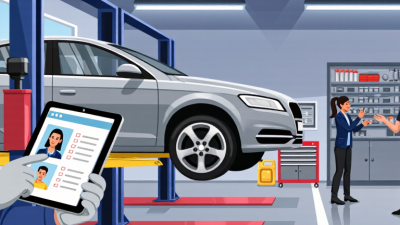
Check Repair Credentials, Reviews, Pricing, and Service Information

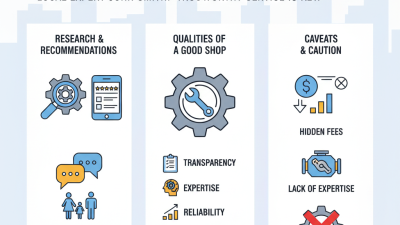
A trusted car repair website should make its expertise easy to verify. Look for technician certifications, business registration, a physical address, and clear warranty terms. The 2024 U.S. Customer Service Index–Long-Term Study measured repair-service satisfaction at 842 out of 1,000. That suggests communication matters nearly as much as technical skill. A reliable website should explain inspection steps, common repair symptoms, and expected service times in plain language.

Tip: Check several recent reviews, not only the rating. Look for details about diagnosis, delays, invoices, and how complaints were handled. Repeated comments about vague estimates deserve attention. A perfect rating can still feel suspicious when every review sounds identical.

Pricing information should be specific. Ask whether the estimate includes labor, parts, diagnostic fees, taxes, and possible additional work. The 2024 Your Driving Costs report estimated annual maintenance, repair, and tire expenses of about 949 dollars for a new vehicle driven 15,000 miles. Prices vary, but unexplained differences need questions. I would also test the website’s contact process before booking. Does someone answer clearly? Can they explain the repair without pressure? Service pages should show opening hours, appointment rules, emergency policies, and accepted payment methods. One imperfect detail matters: websites can look professional while hiding weak customer support. Trust should come from verifiable information, not polished design.

Verify Website Security, Business Details, and Customer Support

How to Find a Trusted Car Repair Website in 2026?

A reliable car repair website should feel transparent, not merely polished. Check for HTTPS, a valid certificate, and a browser padlock before entering your phone number. The 2025 Data Breach Investigations Report found that stolen credentials remained involved in many reported breaches. A secure connection does not prove honesty, but an unsecured page is a serious warning. Inspect the business address, repair license details, service hours, and a working phone number. Search the address separately. Some websites display impressive details that do not match public records.

Tips: Request a written estimate before booking. Read recent reviews across independent platforms. Look for specific comments about invoices, delays, diagnostics, and completed repairs. Vague praise is weak evidence. Test customer support with one practical question, such as, “What warranty covers this repair?” A trustworthy team should answer clearly and explain exclusions. Slow replies are not always suspicious, but silence after payment is.

The 2024 Consumer Sentinel Network Data Book recorded millions of consumer reports, showing why verification matters before sharing personal or payment information. A real repair business should explain data use, cancellation terms, and appointment changes in plain language. Check whether the email address matches the website domain. Be cautious when support pressures you to pay immediately. I have found that small inconsistencies often matter more than attractive design. Still, reviews can be unfair, and public records may be outdated. Verify more than once.

Compare Repair Advice, Quotes, Warranties, and Local Service Options

A trusted car repair website should make comparison easy, not merely look polished. Check whether its repair advice explains symptoms, inspection steps, and safety limits. Clear articles should identify the writer’s qualifications or technical sources. I would question advice that promises an exact diagnosis without seeing the vehicle. Cars often hide problems.

Compare itemized quotes carefully. Labor hours, parts, shop fees, taxes, and diagnostic charges should appear separately. The American Automobile Association’s 2024 Your Driving Costs report estimated average annual new-vehicle ownership costs at $12,297. Transparent estimates therefore matter. A low headline price may exclude essential work. Ask whether the quote can change after inspection, and request photographs of damaged components.

Warranty terms deserve equal attention. Look for coverage length, excluded parts, workmanship protection, and approval procedures. “Guaranteed repair” means little without written conditions. Local service options should show real addresses, working phone numbers, opening hours, and technician credentials. The National Institute for Automotive Service Excellence states that certification requires testing and periodic renewal, so dated credentials need checking. Read recent reviews for repeated patterns, not isolated praise. I still would not trust five-star ratings alone. A clean website can hide weak local support. Compare two or three nearby estimates, then keep the inspection report and final invoice for reference.

Choose a Reliable Website and Confirm the Repair Before Booking

A trusted car repair website should help you verify the repair before you book it. Look for a physical address, working phone number, clear business hours, and technician qualifications. The National Institute for Automotive Service Excellence reports more than 500,000 certified professionals worldwide, so certification details should be specific, not vague. A site displaying only polished photos is not enough.

Read the estimate carefully. It should separate diagnosis, labor hours, parts, taxes, warranty terms, and cancellation rules. The Federal Trade Commission advises consumers to obtain written estimates and ask whether replacement parts are new, rebuilt, or used. Compare at least two estimates, but do not choose by price alone. A very low quote may exclude essential work. Ask the website to confirm the exact repair, total price, and expected completion date by email or text before booking.

Check independent reviews for repeated details, such as accurate diagnoses, photo evidence, and communication during delays. Industry data matters too: the 2024 U.S. vehicle age report from S&P Global Mobility placed the average light vehicle age at about 12.6 years. Older cars often need layered repairs, making transparent explanations more important. I once trusted a clean-looking quote too quickly; the missing diagnostic fee caused confusion. That mistake still shapes my checklist. Confirm everything. Then book.

How to Find a Trusted Car Repair Website in 2026? - Choose a Reliable Website and Confirm the Repair Before Booking

Evaluation Dimension What a Reliable Website Should Show How to Verify the Information Action Before Booking Warning Signs
Business Identity and Contact Details A physical service location, working telephone number, service hours, and a clear description of the business are provided. Check whether the address appears on an independent map service and call the listed number. Confirm that the location and opening hours match the website. Ask who will perform the repair and request the complete business address before sharing vehicle or payment details. High Risk
Only a contact form, vague location, or unreachable telephone number.
Website Security and Privacy The website uses HTTPS, explains how personal information is handled, and provides secure payment procedures when online payment is available. Confirm that the browser shows a secure connection and read the privacy policy. Remember that HTTPS encrypts data but does not by itself prove that a business is trustworthy. Avoid sending unnecessary identity, payment, or vehicle documents through unsecured messages. Caution
No privacy information, broken security warnings, or pressure to pay through unusual channels.
Repair Description and Scope The service page identifies the repair, likely symptoms, included work, exclusions, and the vehicle information needed for an accurate assessment. Compare the description with the vehicle manufacturer's maintenance information and ask whether diagnosis, parts, labor, taxes, and disposal fees are included. Request a written scope of work that states exactly what will and will not be repaired. High Risk
Generic promises such as “fix any problem” without inspection or defined work.
Price Transparency The site distinguishes estimates from fixed prices and explains possible additional charges, taxes, diagnostic fees, and parts costs. Ask whether the displayed price is a starting estimate or a final price. Request an itemized written estimate before authorizing work. Confirm the maximum amount you authorize and require approval before work exceeds that amount. Caution
An unusually low price with no itemization or a demand for full payment before diagnosis.
Parts and Labor Information The website explains whether replacement parts are new, remanufactured, or used, and identifies any labor or parts warranty. Ask for the part type, warranty duration, labor coverage, and the party responsible for warranty claims. Include the agreed part type and warranty terms in the booking confirmation or written estimate. Caution
“Lifetime” or “guaranteed” claims without written terms, exclusions, or claim instructions.
Reviews and Reputation Evidence The website may display customer feedback, but trustworthy evaluation also considers independent reviews, review dates, and repeated service patterns. Compare feedback across more than one independent source. Look for detailed, recent reviews and consistent responses to complaints. Treat testimonials on the repair website as promotional material and use independent evidence before booking. Caution
Only perfect testimonials, copied wording, or many reviews posted within a short period.
Technician Qualifications The site identifies relevant technician training, licenses where legally required, inspection capabilities, and the types of vehicles serviced. Ask which qualifications apply to the specific repair and whether the technician has experience with the vehicle's system, such as brakes, electrical components, or advanced driver-assistance systems. Confirm that the shop has the equipment and expertise required for the proposed repair before paying a deposit. Caution
Qualifications are claimed but cannot be explained or verified.
Booking and Cancellation Terms The site clearly states appointment availability, deposits, cancellation rules, rescheduling procedures, and the information required to book. Read the terms before submitting payment and save a copy of the booking page, estimate, and confirmation email. Book only after the appointment date, arrival time, estimated duration, and cancellation conditions are confirmed in writing. High Risk
Immediate payment pressure, unclear cancellation rules, or no written booking confirmation.
Diagnostic Process The website explains whether diagnosis is required, whether a diagnostic fee applies, and how findings will be reported before repair authorization. Ask whether the diagnostic charge is separate and whether it will be credited toward approved repairs. Request test results or a clear explanation of the cause. Authorize diagnosis separately from repair work unless the scope and price have already been confirmed. High Risk
The site promises a definite repair without inspecting the vehicle.
Written Confirmation Before Work The final confirmation includes vehicle details, requested service, agreed price or estimate, appointment information, payment terms, and warranty conditions. Check every detail for accuracy and keep the confirmation with photographs of the vehicle's condition and odometer reading when appropriate. Do not approve additional work by telephone alone; request a revised written estimate before authorizing changes. High Risk
The business refuses to provide a written estimate or changes the agreed scope without approval.

Practical rule: use the website to gather information, but confirm the repair scope, total estimate, warranty, and appointment details directly in writing before booking or authorizing work.