What is Heater Core and How Does it Work?
In the world of automotive engineering, the heater core plays a crucial role. It is a small yet vital component of the vehicle's heating system. According to Dr. Emily Hart, a renowned automotive engineer, "The heater core is essentially a miniature radiator, responsible for distributing heat within the cabin." This statement highlights the essential function of the heater core in ensuring passenger comfort.
Understanding how this component works can seem complex. The heater core uses hot coolant from the engine to warm the air that enters the car. As the air passes through the heater core, it absorbs heat, providing warmth during cold weather. However, issues can arise. A faulty heater core can lead to coolant leaks or poor heating performance. This is why regularly checking your car's heating system is vital.
Nevertheless, many drivers overlook the heater core until problems occur. This lack of attention can result in unexpected repairs and discomfort. To ensure efficiency, knowledge about the heater core is necessary. Familiarizing oneself with this component can save time and money in the long run. It's a small part, but it has a significant impact on driving experience.
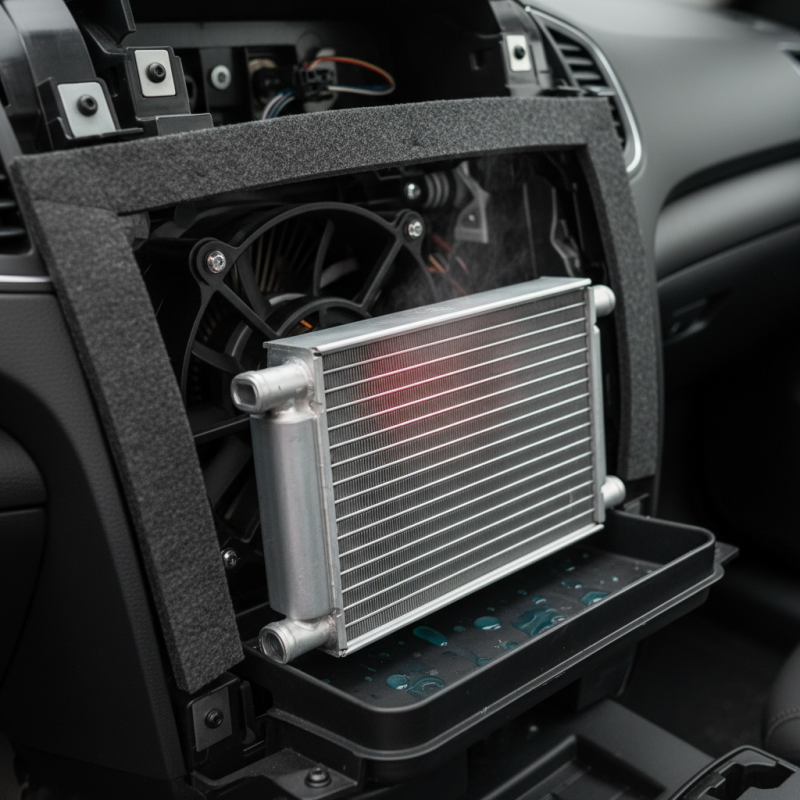
What is a Heater Core: Definition and Functionality Overview
A heater core is a vital component in a vehicle’s heating system. It is essentially a small radiator, situated within the dashboard. When the engine runs, it produces heat. The heater core uses this heat to warm the air blown into the cabin. Hot coolant circulates through the heater core, transferring warmth to the surrounding air. This process creates a cozy atmosphere inside the vehicle during cold weather.
Understanding how a heater core functions can help in diagnosing potential issues. A malfunctioning heater core may lead to poor cabin heating or even coolant leaks. Drivers might notice a sweet smell, indicating coolant loss. Furthermore, fluctuating temperatures could signal an internal problem. Regular maintenance checks can enhance the heater core's efficiency, ensuring optimal heating performance. Observing these details can prevent larger, costly repairs down the line.
The Functioning Principle of Heater Cores in Automotive Heating Systems
Heater cores are crucial components of automotive heating systems. They play a vital role in providing warmth inside the vehicle. When you turn on your car’s heater, hot coolant from the engine circulates through the heater core. This process transfers heat into the cabin, warming the air that flows through the system.
Understanding how heater cores function helps make informed decisions regarding vehicle maintenance. A heater core consists of a series of small tubes and fins. As coolant flows through, the fins radiate heat, allowing the air to warm up quickly. However, if the heater core is clogged or leaking, it can lead to improper heating or even coolant loss. Identifying these issues early can save time and money.
Tips: Regularly checking the coolant level can help you avoid heater core problems. Look for signs of leaks under the dashboard or a damp carpet. Keep an eye on the temperature gauge while driving. If it fluctuates, there might be a heating system issue. Addressing these problems can enhance your vehicle's reliability.
Key Components of a Heater Core: Understanding Its Structure
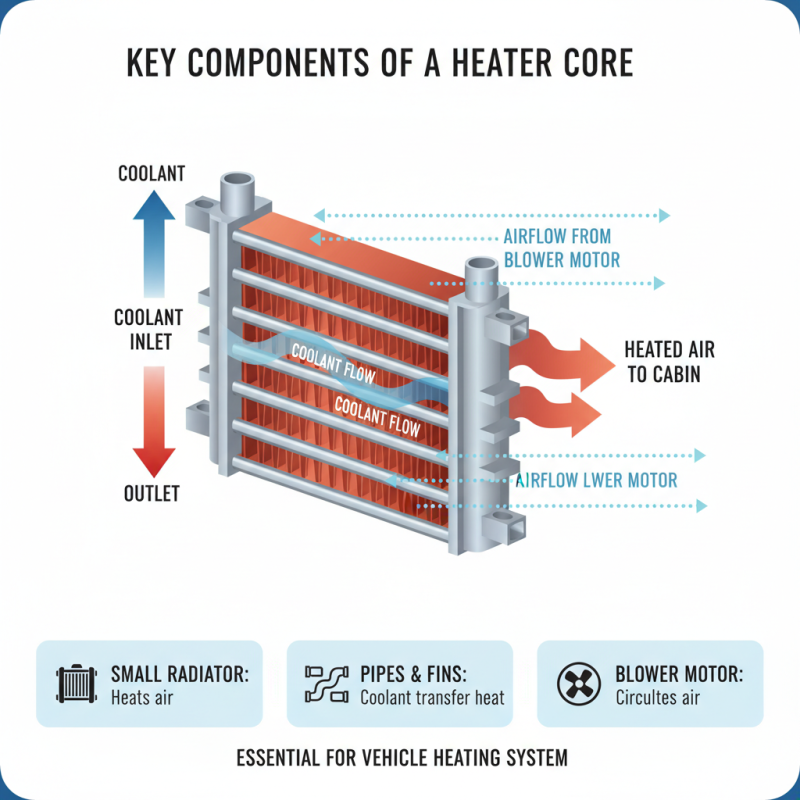
The heater core is a crucial component of a vehicle's heating system. It functions as a small radiator that heats the air before it enters the cabin. The core consists of pipes and fins that allow coolant to flow through, transferring heat to the air circulated by the blower motor. Understanding its structure is essential for diagnosing heating issues.
Key components of a heater core include the housing, fins, and inlet/outlet pipes. The housing encases the core and directs airflow. Fins increase the surface area for heat exchange. According to a 2022 study by the Society of Automotive Engineers, improperly functioning heater cores can lead to a 30% decrease in heating efficiency. This inefficiency can result in inadequate cabin temperatures during winter months, affecting driver comfort.
It's worth noting that heater cores are vulnerable to leaks and blockages. A common issue arises from corrosion within the metal. Regular maintenance is crucial for longevity. Some reports indicate that over 15% of vehicles encounter heater core issues during their lifespan. While repair is an option, replacement often proves more reliable. This highlights the need for vehicle owners to remain attentive to their heating systems.
Common Issues with Heater Cores and Their Impact on Vehicle Performance
A heater core is a crucial component of a vehicle’s heating system. It acts as a mini radiator, responsible for heating the cabin air. When issues arise in the heater core, the entire system’s efficiency can be compromised. Common problems include leaks, clogs, and rust buildup. These factors can lead to insufficient heating or even coolant loss, which may affect engine performance.
According to industry statistics, about 10% of vehicle owners report heater core issues within the first five years of ownership. A failing heater core not only hinders comfort but also poses risks. A leak can result in engine overheating, impacting the vehicle's reliability. Moreover, a clogged heater core can decrease overall cabin air quality, leading to unpleasant odors.
Drivers often overlook symptoms. Unexpected fogging on windows or inconsistent warmth can indicate heater core problems. Timely diagnosis is essential. Ignoring these signs can escalate repair costs significantly. Industry experts recommend routine check-ups of the heating system to maintain vehicle performance and ensure a safer driving experience.
Maintenance Tips for Ensuring Optimal Heater Core Efficiency
Proper maintenance of your vehicle's heater core is essential for optimal performance and comfort. The heater core’s main function is to provide warm air to the cabin by using coolant from the engine. Over time, sediment and contaminants can build up inside the heater core, reducing its efficiency. Regular checks can help identify potential issues before they escalate.
One simple maintenance tip is to inspect the coolant levels periodically. Insufficient coolant can affect heating efficiency. Additionally, flushing the heater core every few years can remove buildup and restore optimal flow. A qualified technician can perform this process effectively. Regularly checking for leaks is also crucial. Any signs of leaks in the hoses or connections could lead to bigger problems later on.
Failing to address these issues early can result in costly repairs. It’s easy to ignore small signs of trouble, but they can indicate larger problems. Keeping an eye on the heater core’s performance and addressing minor concerns will ensure that your vehicle's heating system operates smoothly throughout the colder months. Taking these proactive steps promotes not just comfort, but also vehicle longevity.
What is Heater Core and How Does it Work? - Maintenance Tips for Ensuring Optimal Heater Core Efficiency
| Dimension |
Details |
| Heater Core Function |
Transfers heat from engine coolant to the cabin air. |
| Common Symptoms of a Failing Heater Core |
Foggy windows, coolant leaks inside the vehicle, and unpleasant odors. |
| Maintenance Tip 1 |
Regularly check coolant levels and top up as necessary. |
| Maintenance Tip 2 |
Inspect for any leaks or corrosion around the heater core. |
| Maintenance Tip 3 |
Flush the heating system periodically to remove debris. |
| Average Lifespan |
Typically 5 to 10 years, depending on maintenance. |
| Signs of Optimal Efficiency |
Consistent warm air, clear windows, and no unusual noises. |