Top Personalized Shipping Boxes for Global Buyers?
Global buyers need shipping boxes that protect products, represent a brand, and fit realistic budget and delivery needs. Personalized Shipping Boxes can make an order feel considered before a customer opens it. Yet attractive graphics cannot compensate for weak construction or poor sizing. Small details matter. Board strength, internal dimensions, closure style, and print placement all affect the shipping experience. A box that fits snugly may reduce movement, while a crowded pack can leave products vulnerable. Specifications deserve attention.
This guide looks at popular personalized box options and the practical trade-offs behind them. It considers mailer boxes, corrugated shipping cartons, and other formats for different products and order volumes. For example, a compact mailer may suit lightweight cosmetics, while a larger corrugated carton may better support heavier goods. No format works for every shipment. Buyers should check sample quality, print consistency, minimum order quantities, production times, and shipping costs before committing. Transit routes and handling conditions vary, so supplier claims should be checked against real samples and clear specifications. Not every option wins. A lower unit price may come with less flexibility, and elaborate printing can add cost without improving protection. There is no universal best box. The right choice depends on the product, destination, brand priorities, and what customers actually value. Some trade-offs remain, even after careful comparison.
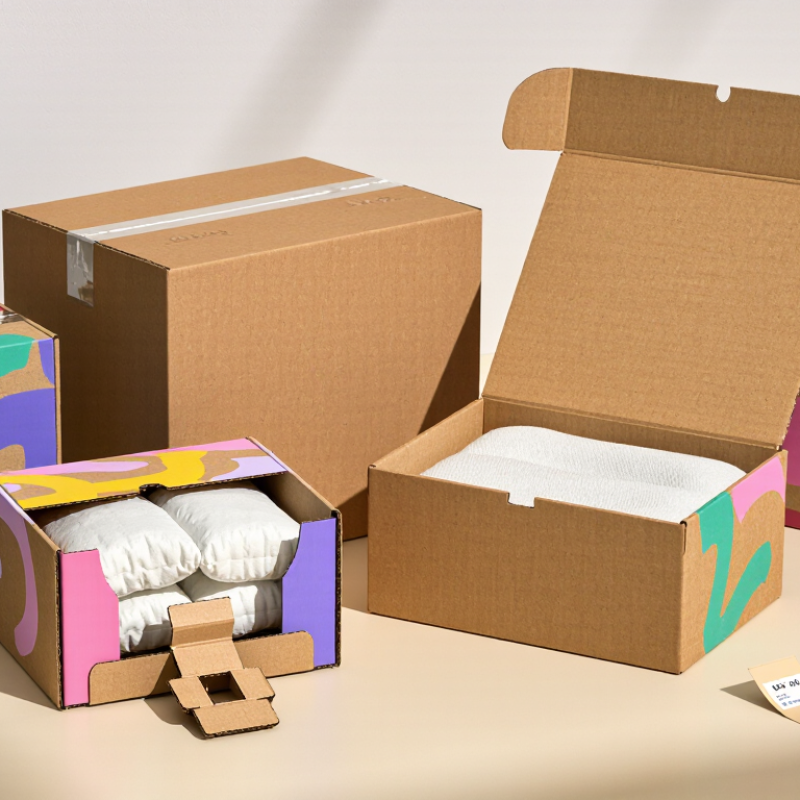
What Personalized Shipping Boxes Are and How They Work
Personalized shipping boxes are corrugated cartons customized with a company’s graphics, colors, wording, or structural details. They still protect products like ordinary shipping boxes, but their printed surfaces can also help customers recognize a parcel at delivery. Think logo, handling instructions, or a simple pattern. Not decoration alone.
The process starts with product measurements, packed weight, and the journey the parcel will take. A buyer shares artwork and box specifications with a packaging supplier, then checks a digital proof before production. Requesting a physical sample is useful: it reveals whether the product fits, the flaps close cleanly, and the print looks right on actual cardboard. Small text may blur on textured stock. A bright screen mock-up can mislead.
For global orders, compare box dimensions and material strength with the needs of the shipping route. Long journeys, transfers, and damp conditions can expose weak corners or poor closures, so practical testing matters more than appearance alone. Confirm print colors, approved artwork, order quantity, production timing, and packaging specifications in writing. Shipping rates and handling differ by carrier and destination, so avoid assuming one box size works everywhere. The first sample may still need changes; that is normal, if slightly frustrating. A careful fit test can prevent avoidable damage and excess packaging.
Main Types of Custom Shipping Boxes for Global Buyers
Main Types of Custom Shipping Boxes for Global Buyers
Custom shipping boxes should match the product, route, and handling conditions. Corrugated regular slotted cartons suit many standard shipments because they are easy to assemble and store flat. Single-wall board can work for lighter goods, while double-wall construction offers added stiffness for heavier loads or longer journeys. A stronger box is not automatically better; excess material can increase shipping weight and cost.
Mailer boxes have tuck-in flaps and often suit smaller products that need a neat, snug fit. Die-cut boxes can follow unusual product shapes, but their design should leave room for protective inserts. Telescoping boxes, made with separate top and bottom sections, help accommodate goods with variable heights. Small details matter. Buyers should check internal dimensions, board strength, and how boxes stack before placing a large order.
Printed boxes can show handling instructions or product information, but ink and finishes should not distract from practical protection. Moisture, compression, and repeated handling may affect packaging during transit. Requesting a physical sample and testing it with the packed product can reveal loose fit or weak corners. One imperfect part of planning is that test conditions may not match every route, so buyers should review packaging after real shipments and adjust where needed.
Materials, Sizes, and Printing Options for Shipping Boxes
Choosing a shipping box starts with the item’s weight, shape, and route. Corrugated board offers cushioning and stacking strength; heavier products may need stronger board or a double-wall construction. Lightweight paperboard can suit smaller, sturdy items, but it may not protect fragile goods during long journeys. Recycled content can reduce reliance on new fiber, though board performance varies. Paper is not magic. Keep the box dry, and test it with the actual packing materials before ordering a large batch. A snug fit helps limit movement, while a little clearance leaves room for cushioning.
Measure the packed product, not just the item. Boxes that are too large add filler and may increase shipping volume; tight boxes can press against corners or closures. Standard sizes often cost less to store, while custom dimensions can reduce wasted space. Printing choices include one-color logos, simple text, and full-color graphics. Flexographic printing can work well for larger runs, while digital printing offers flexibility for smaller batches. Ink coverage, board texture, and fold lines affect the final look. A sample is worth checking by hand. Colors may appear less vivid on kraft board, and fine text can blur on rough surfaces—details easy to miss on a screen.
Personalized Shipping Boxes: Sample Size Comparison
Compare example box formats by internal volume to help match packaging to your product and shipping needs.
How to choose: Dimensions shown are example formats, not a universal sizing standard; listed volumes are calculated from length × width × height. Choose corrugated board strength for the packed product’s weight and fragility. Custom boxes can use flexographic printing for simpler designs or digital printing for detailed artwork and shorter runs. Confirm internal dimensions and print requirements with your packaging supplier.
How to Compare Personalized Shipping Box Suppliers
When comparing personalized shipping box suppliers, start with the specification, not the printed sample. Ask for board grade, flute type, internal dimensions, and tested weight limits. A glossy mock-up proves little about performance. Pitney Bowes’ 2023 Parcel Shipping Index reported 161 billion parcels worldwide in 2022, highlighting how often boxes face sorting and handling. Request a documented transit-test method and sample boxes made with your intended materials. Then compare damage rates, production lead times, minimum orders, and the cost of replacing defective stock. Small details matter.
Check whether quotes include printing plates, color matching, packing, and delivery to your destination. Ask suppliers to state tolerances for box dimensions and print placement. For global orders, confirm how they protect samples and finished cartons from moisture during transit. McKinsey’s 2020 survey of U.S. consumers found that 60 to 70 percent were willing to pay more for sustainable packaging. Ask for evidence behind recycled-content or recyclability claims, not just a green label. Compare the actual material specifications. A cheaper quote may omit important charges; I have learned that this is easy to miss. Also, request a small production run before committing. It costs more per box, but can reveal crushing, scuffed ink, or a poor fit around the product.
International Shipping, Compliance, and Sustainability Factors
Personalized shipping boxes can make an international order feel considered, but decoration should never interfere with delivery. Keep recipient details clear, and check that labels remain visible on the finished box. Customs paperwork usually travels separately from the parcel’s printed design, so avoid treating artwork as a substitute for accurate shipment information. Requirements vary by destination and carrier; confirm current instructions before producing a large batch.
Box dimensions matter, too. A box that is too large may increase billed shipping weight and need extra void fill. A tight fit can leave corners vulnerable after long trips through sorting hubs. Test a sample with the actual product, inserts, and closure method. Then inspect it after a realistic handling test. Small details count.
Sustainability needs the same practical scrutiny. Recycled or recyclable materials can reduce virgin-material use, but local collection systems differ, and coatings or mixed components may complicate recycling. Choose inks and finishes with end-of-life disposal in mind, and ask suppliers for specific material information. Lighter packaging may help, provided it still protects the contents. The balance is imperfect; a box that fails and requires replacement can waste more material. Review damage rates and customer feedback, then adjust the design rather than assuming the first version is best.

