What is a Rear End Differential and How Does it Work?
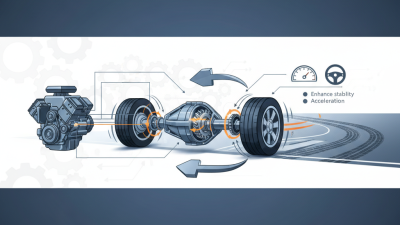
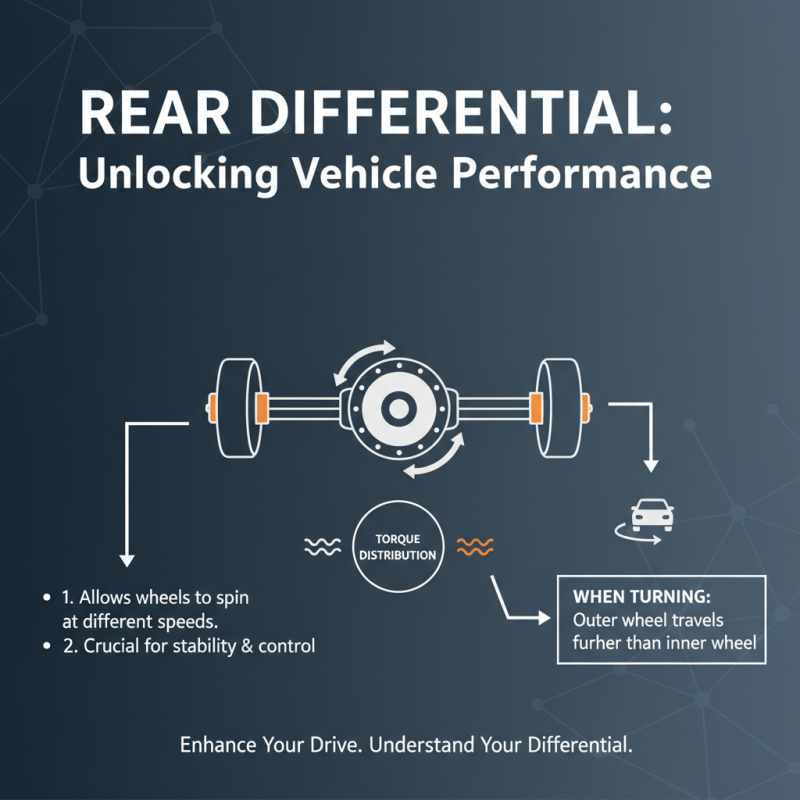
The rear end differential is a key component in many vehicles. It plays a crucial role in how power is distributed to the wheels. When you turn a corner, the wheels on one side travel a different distance than those on the other. This is where the rear end differential steps in. It allows for smooth and controlled turns.
Understanding what a rear end differential does can enhance your appreciation for vehicle dynamics. It’s fascinating to see how this mechanism balances traction and power. However, not everyone realizes its importance. Many overlook the complexity of this part. It might seem simple, but its operation is intricate.
Some drivers may experience issues without knowing the cause. Unexplained noises or handling problems can stem from a faulty rear end differential. Regular maintenance can prevent some of these issues. Yet, drivers often neglect this important aspect. Reflecting on these details can lead to better vehicle care. Understanding the rear end differential may save you from unexpected troubles down the road.
What is a Rear End Differential: Definition and Purpose
A rear end differential is a critical component in vehicles. Its primary purpose is to allow wheels to rotate at different speeds during turns. This difference in rotation is essential for smooth cornering and stability. Essentially, the differential distributes torque from the engine to the wheels. According to reports, about 90% of vehicles on the road utilize some form of differential, highlighting its importance.
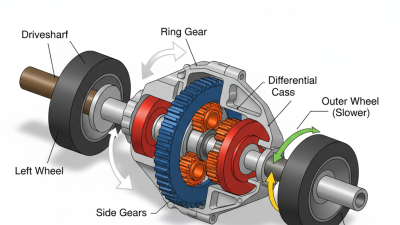
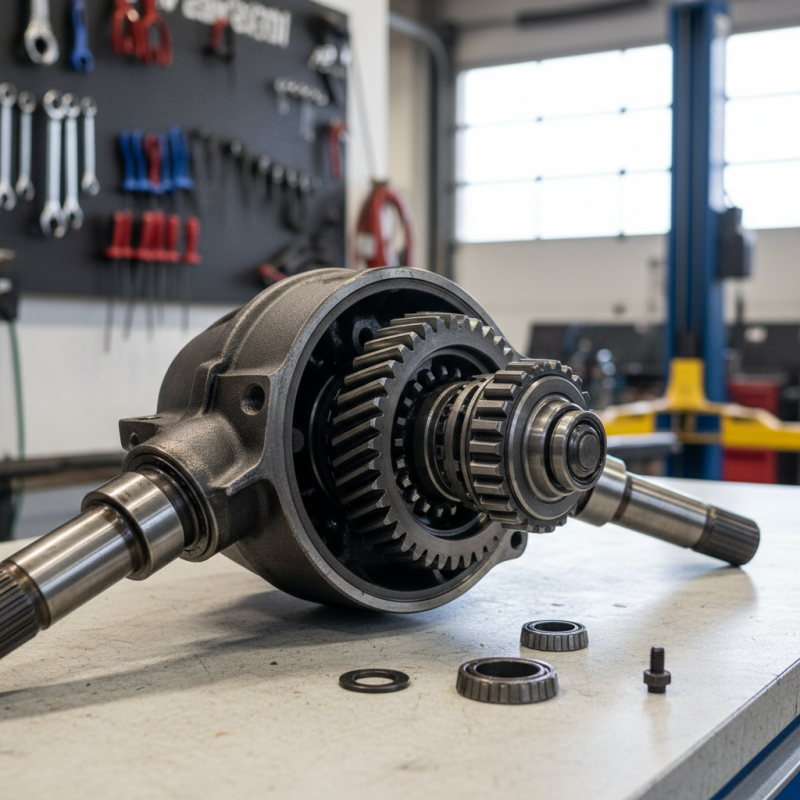
How does it work? The differential comprises several gears, typically a ring gear and pinion gear. When the vehicle turns, the outside wheel travels a greater distance than the inside wheel. The differential allows for this variance by enabling one wheel to spin faster than the other. This mechanism prevents wheel slippage and enhances traction. It is worth noting that improper maintenance can lead to significant wear and tear. Regular checks can help prevent costly repairs.
Tips: Regularly inspect your rear end differential. Look for signs of leakage or unusual noises. If you notice any issues, consult a professional mechanic. Keeping the gears well-lubricated can ensure smooth operation. Also, remember that driving habits affect differential performance. Harsh driving can lead to premature wear and reduced efficiency.
Types of Rear End Differentials: Open, Limited Slip, and Locking
Rear end differentials play a crucial role in vehicle dynamics. They help distribute power to the wheels, aiding in traction and stability. Understanding the types of rear end differentials is essential for car enthusiasts and everyday drivers alike.
Open differentials are the most common type. They allow for independent wheel rotation, especially useful when navigating corners. However, they can lead to power loss when one wheel slips. This is a concern for those driving in challenging conditions. Limited slip differentials, on the other hand, offer a balance. They send power to the wheel with more traction. Studies show that vehicles with limited slip systems can improve handling by up to 30%. This can be pivotal in slippery situations.
Locking differentials provide maximum traction by locking the wheels together. This proves beneficial in off-road scenarios where grip is limited. However, they may hinder maneuverability on pavement. Be mindful of the trade-offs.
Tips: Regular maintenance of your rear end differential is crucial. Check fluid levels and listen for strange noises. This can prevent costly repairs down the line. Additionally, understanding your driving needs will help determine which differential type is best for you.
How Rear End Differentials Operate: Gear Ratios and Torque Distribution
A rear end differential is crucial in transmitting power from the drive shaft to the wheels. This mechanism allows for different rotation speeds between the left and right wheels, especially during turns. Understanding how gear ratios and torque distribution work is essential for optimizing vehicle performance.
Gear ratios play a significant role in how a differential operates. A higher gear ratio typically implies more torque and power delivery to the wheels. For instance, a ratio of 3.5:1 means that for every 3.5 turns of the drive shaft, the wheels turn once. This affects acceleration, fuel efficiency, and overall driving dynamics.
Tips: When selecting gear ratios, consider your driving habits. For off-roading or towing, lower ratios provide better control and torque. For highway driving, higher ratios can enhance fuel economy but may reduce acceleration.
Torque distribution also impacts vehicle handling. A limited-slip differential, for example, can channel more torque to a wheel with better traction. This aspect is vital in slippery conditions. However, mismatched torque can lead to instability, particularly in high-performance vehicles.
Always reflect on how different setups affect your driving experience. Small changes can yield significant results in performance. Adjusting gear ratios and torque distribution to your needs can lead to a more tailored and enjoyable ride.
Understanding Rear End Differential Gear Ratios
The Role of Differential Lubrication: Types and Maintenance Practices
Differential lubrication plays a crucial role in maintaining the performance of a rear end differential. Proper lubrication reduces wear and tear. It also prevents overheating. Various types of differential lubricants exist, including synthetic and conventional oils. Each type has specific benefits. Synthetic oils often provide better protection at high temperatures. Conventional oils are typically more affordable and widely available.
Routine maintenance is essential for optimal performance. Regularly check the lubricant levels in your differential. Low levels can lead to increased friction. This may cause damage over time. Changing the differential fluid at recommended intervals is key. Using the right lubricant type is equally important. Always refer to your vehicle's manual for the recommended specifications.
Tips: Always inspect for leaks. If you notice fluid under your vehicle, investigate immediately. Use a funnel when adding lubricant. This can help prevent spills. Don't ignore strange noises. They can indicate underlying issues that need attention. Regular checks can save you from costly repairs later.
Impact of Rear End Differentials on Vehicle Performance and Handling
Rear end differentials play a crucial role in a vehicle's performance and handling. They allow the wheels to spin at different speeds while turning. This feature is vital for maintaining stability and control, especially on curves. When a vehicle turns, the outside wheels need to travel further than the inside wheels. Differentials enable this by distributing torque effectively.
Tips: Regular maintenance is vital. Check differential fluid levels periodically. Low fluid can lead to overheating and wear. Listen for unusual noises; they may signal issues.
The type of rear end differential affects handling significantly. Open differentials help with smooth driving on straight roads. However, they can struggle in slippery conditions. Conversely, limited-slip differentials offer better traction on various surfaces. Drivers may notice improved stability, especially in turns.
Tips: Test your vehicle in different conditions. Understanding how your differential responds can enhance your driving experience. Adjust driving habits based on your vehicle’s response during turns and slides.