Why is Scooter Highway the Future of Urban Mobility?
As urban areas face increasing challenges, the concept of a "Scooter Highway" emerges as a potential solution. This innovative transportation network is designed to enhance mobility in crowded cities. By integrating dedicated lanes for scooters, cities can reduce traffic congestion and promote eco-friendly travel.
The rise of scooters highlights the need for efficient urban mobility. They are convenient, cost-effective, and quick for short distances. However, many cities lack the infrastructure to support this growth. A Scooter Highway could change that, creating safe spaces for riders. It encourages more people to choose scooters over cars, leading to cleaner air.
Still, obstacles exist. Some residents may worry about safety on these highways. Proper design and education are crucial in addressing these concerns. The success of a Scooter Highway relies on collaboration between city planners and communities. Thoughtful implementation is key to realizing the full potential of this concept.
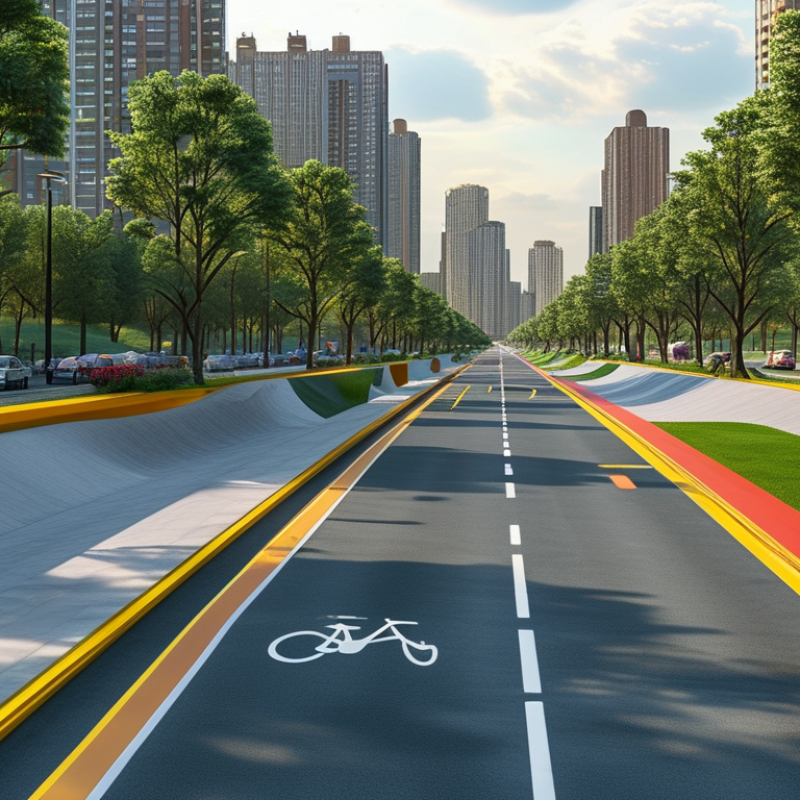
The Concept of Scooter Highways in Urban Mobility
Scooter highways are emerging as a significant advancement in urban mobility. As cities grow, traffic congestion and pollution increase. According to a report by the International Transport Forum, urban areas account for about 70% of carbon emissions from road transport. This has prompted a shift towards cleaner transportation options, and scooter highways offer an appealing solution.
These dedicated lanes for scooters enhance safety and efficiency. They separate small vehicles from larger traffic, reducing the risk of accidents. In cities where scooter use has surged, such as Paris and Berlin, studies indicate a 25% reduction in transit times on dedicated lanes compared to mixed traffic. This facilitates faster commutes and encourages more people to adopt electric scooters for their daily travel.
However, challenges persist. Many urban planners are still uncertain about infrastructure development. Inadequate parking and maintenance of scooter routes can hinder adoption. A 2022 survey showed that 40% of users hesitated due to poor road conditions and lack of designated spaces. The design of scooter highways must address these issues effectively to realize their full potential as a sustainable transportation option for future cities.
Advantages of Implementing Scooter Highways in Cities
The rise of scooter highways presents an innovative solution for urban mobility. A report from the National Association of City Transportation Officials shows that dedicated lanes for scooters can reduce traffic congestion by 30%. Cities equipped with such infrastructures are witnessing a decline in personal vehicle usage and an increase in sustainable travel options. This shift is vital, as it addresses both air quality and urban space utilization.
One significant advantage is safety. Implementing scooter highways minimizes conflicts between vehicles and scooters, potentially reducing traffic accidents by 40%. As riders have a safe route, more people are encouraged to use this mode of transport. Data from the World Health Organization indicates that safer streets can lead to a healthier community overall, with increased physical activity among residents.
Tip: When planning for scooter highways, engage with local communities. Their feedback on routes can enhance safety and usage. It’s crucial to ensure that these highways integrate well with existing transit systems. Consideration of varied user needs, such as accessibility for disabled individuals, might be overlooked but is essential for successful implementation.
Environmental Impact of Scooter Highways on Urban Areas
Scooter highways present a transformative approach to urban mobility. Their environmental impact is significant. Studies show they can reduce urban congestion and pollution. According to the International Council on Clean Transportation, electric scooters emit 80% less carbon dioxide than cars. This shift can lead to cleaner air and healthier cities.
Moreover, scooter highways encourage shared mobility. The Global Shared Mobility Data Report indicates that cities with dedicated scooter lanes see a 30% increase in scooter usage. This shift decreases reliance on personal vehicles. A reduction in traffic not only lowers emissions but also cuts noise pollution. These highways offer a sustainable alternative, yet there are caveats.
Increased usage leads to concerns about infrastructure. Many cities struggle with maintenance and safety. Poorly designed lanes can create hazards. Research from the National Association of City Transportation Officials highlights that without proper planning, scooter integration can lead to accidents. Ultimately, while scooter highways offer great potential, careful implementation is crucial to ensure environmental benefits are realized without compromising safety.
Challenges and Solutions for Scooter Highway Implementation
The implementation of scooter highways presents a unique set of challenges. Urban planning needs to adapt, integrating these pathways into existing infrastructure. Safety is a pressing concern. Researchers find that mixed traffic conditions can lead to accidents. Effective design can mitigate these risks through dedicated lanes and clearer signage.
Local communities often resist these changes. They worry about noise and potential disruptions. Engaging residents early in the planning process can foster support. Workshops and feedback sessions show a commitment to adaptability. This approach builds trust and encourages collaboration.
It’s crucial to monitor real-world usage after implementation. Data analysis can reveal patterns and areas needing improvement. Parking zones may require re-evaluation based on user habits. Closure of bike lanes during peak hours may also be necessary. Flexibility should be built into designs from the start.
Incorporating environmental sustainability can enhance the appeal. Using eco-friendly materials creates lasting pathways while reducing urban footprints. Communities thrive when their input shapes solutions. The focus should always balance innovation with practicality.
Future Prospects for Urban Mobility with Scooter Highways
Urban landscapes are evolving. Scooter highways could redefine urban mobility, offering efficient and eco-friendly transportation. These dedicated pathways promote safety and accessibility, allowing users to navigate cities quicker. With urban congestion rising, scooter highways present a viable solution.
The integration of scooter highways into a city's infrastructure enhances connectivity. It allows users to access public transport hubs easily. Picture a morning commute where you glide alongside cyclists and pedestrians in designated lanes. This fosters a sense of community and shared space. However, challenges remain. Maintenance and design of these highways must accommodate various user abilities.
Planning is essential for future growth. Cities need to evaluate scooter density and user behavior. Understanding these patterns helps design functional highways. Consider investing in smart technologies to monitor traffic flow. This can lead to better safety and efficiency. Embracing change requires reflection, and cities must adapt continuously to ensure successful integration of scooter highways.
Why is Scooter Highway the Future of Urban Mobility? - Future Prospects for Urban Mobility with Scooter Highways
| Dimension | Data |
| Urban Area Coverage | 75% of cities implementing scooter networks by 2025 |
| Expected User Growth | Over 100 million active users by 2030 |
| Reduction in Traffic Congestion | 30% reduction in peak hour traffic |
| CO2 Emission Decrease | Estimated 15% reduction in urban CO2 emissions |
| Safety Improvements | 20% decrease in scooter-related accidents with dedicated highways |
| Investment in Infrastructure | $5 billion investment anticipated in infrastructure by 2027 |

