What is the Solar Pump Inverter Market and Key Benefits?
The Solar Pump Inverter Market is rapidly evolving. This market focuses on devices that convert solar energy into electricity for water pumping. As the world shifts toward renewable energy, solar pump inverters are gaining popularity. They provide a sustainable solution for agricultural and residential needs.
Investing in the Solar Pump Inverter Market offers key benefits. These inverters enhance energy efficiency and reduce dependence on fossil fuels. They allow users to tap into free solar energy, lowering operational costs. Accessibility to this technology is improving, but challenges remain. Some regions still struggle with high initial costs and limited infrastructure.
Understanding the complexities of the Solar Pump Inverter Market is essential. While the benefits are clear, the variability in performance and installation remains. Researching reliable suppliers and systems is crucial. Engaging with experts can help navigate these challenges effectively.
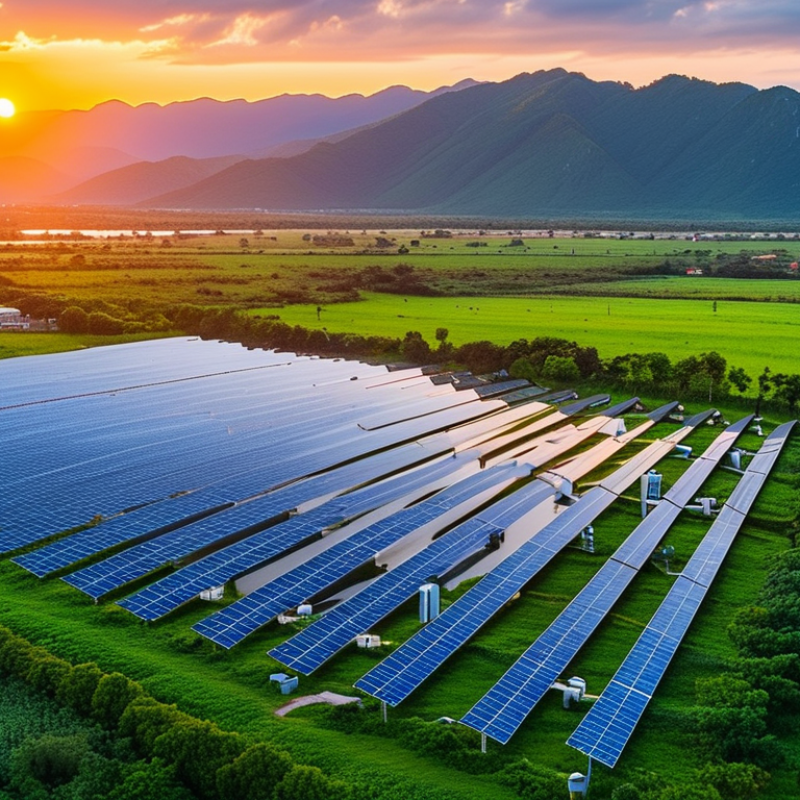
What is a Solar Pump Inverter?
A solar pump inverter is a device that converts direct current (DC) electricity from solar panels into alternating current (AC) electricity suitable for running water pumps. This technology allows users in remote areas to access water without relying on diesel or grid power. By utilizing renewable energy, solar pump inverters provide a sustainable solution for agricultural and domestic water pumping needs.
Solar pump inverters are particularly beneficial for farms. They reduce dependency on fossil fuels, lowering operating costs. In addition, they can work efficiently under varying sunlight conditions. This adaptability is crucial for farmers who rely on timely irrigation. It's essential to consider the size of the system as well; overestimating needs can lead to unnecessary expense.
When selecting a solar pump inverter, focus on quality and efficiency. Pay attention to product specifications and compatibility with your solar setup. Check user reviews for insights on performance. Not all inverters handle high loads well. It’s worth noting that installation can be tricky. You may need a professional to ensure proper setup. This investment can bring long-term savings, but it requires careful planning and execution.
Key Components of Solar Pump Inverters
Solar pump inverters are essential devices in the renewable energy sector, particularly for agricultural applications. These inverters convert direct current (DC) generated by solar panels into alternating current (AC) to power water pumps. A critical component is the maximum power point tracking (MPPT) controller, which optimizes the energy output from solar panels. According to a report by Research and Markets, the solar pump inverter market is expected to grow at a CAGR of 12.3% from 2022 to 2028.
Another vital component is the inverter’s protection circuit. This circuit safeguards the system against voltage fluctuations and overheating. Quality systems can enhance durability, ensuring that the pumps operate efficiently over a prolonged period. Reports suggest that over 25% of solar inverters in the market lack adequate protective features, which could lead to performance issues.
**Tips:** When selecting a solar pump inverter, ensure it has a reliable MPPT function. Look for inverters with robust protection circuits to extend their operational life. Regularly monitor system performance for any signs of inefficiency. Not all systems are perfect. Some may face compatibility issues with certain pump types, leading to suboptimal performance. It’s essential to consult with a professional to choose the right inverter.
What is the Solar Pump Inverter Market and Key Benefits? - Key Components of Solar Pump Inverters
| Component | Description | Benefits | Market Trend |
| Inverter | Converts DC to AC power for pump operation | High efficiency and improved performance | Growing demand in agriculture |
| Controller | Monitors and regulates pump operations | Enhanced control and automation | Increasing automation in irrigation |
| Solar Panels | Generates electricity from sunlight | Renewable energy source, reduces costs | Growth in renewable energy sector |
| Battery Storage | Stores excess power for later use | Increases reliability and efficiency | Emerging trend in solar systems |
| Safety Features | Protects equipment from faults | Prevents damage and enhances longevity | Regulatory focuses on safety |
Benefits of Using Solar Pump Inverters
Solar pump inverters are a crucial innovation in the renewable energy sector. They convert solar energy into electrical energy to power irrigation pumps. This technology offers several notable benefits, significantly enhancing efficiency and sustainability.
One key benefit is energy cost reduction. Farming operations using solar pump inverters can drastically lower electricity expenses. This translates into increased profitability for farmers. Additionally, these inverters help reduce reliance on fossil fuels. Using renewable energy fosters a more sustainable farming practice. Water conservation also becomes more effective due to better pump management.
Moreover, installing solar pump inverters boosts energy independence. Farmers can generate their own power, minimizing grid dependence. However, initial investment costs can be high. Not all farmers may find this feasible. More education on this technology is needed to address concerns and potential drawbacks. Understanding the long-term benefits can lead to better decision-making in agricultural practices. Solar pump inverters could transform how water is managed in farming, but challenges remain for their wider adoption.
Applications of Solar Pump Inverters in Agriculture
Solar pump inverters play a crucial role in modern agriculture. They are essential for harnessing solar energy to power irrigation systems. By converting DC from solar panels into AC power, these inverters ensure that water pumps operate efficiently. The global solar pump inverter market is projected to grow significantly, driven by the need for sustainable agriculture practices.
In agriculture, solar pump inverters help reduce dependency on fossil fuels. Farmers can irrigate their crops even in remote areas without grid electricity. This technology enables improved water management by ensuring that pumps are operational when needed. A report from the International Renewable Energy Agency (IRENA) indicates that solar-powered irrigation can increase crop yields by up to 30%.
**Tip:** Regular maintenance of your solar pump inverter can enhance its efficiency and lifespan. Checking connections and cleaning components can prevent unexpected failures.
The adoption of solar pump inverters also provides cost benefits. Although the initial investment may be high, the long-term savings on energy bills can be substantial. According to a recent market analysis, solar pump systems can save farmers around 20-40% on water pumping costs compared to traditional methods. However, fluctuations in sunlight can affect performance, requiring farmers to plan accordingly.
**Tip:** Consider local weather patterns to optimize the use of solar systems. Understanding your region's climate can improve water management strategies.
Solar Pump Inverter Market Overview
The Solar Pump Inverter market is growing rapidly as more agricultural sectors integrate solar technologies. The chart above illustrates the estimated market size for solar pump inverters across several key regions in 2023. This shift not only improves efficiency in agricultural practices but also promotes sustainable energy usage.
Future Trends in the Solar Pump Inverter Market
The solar pump inverter market is on the rise as more industries seek sustainable options. This shift is driven by the increasing focus on renewable energy sources. Solar pump inverters convert solar energy into electricity for pump systems. Their efficiency enhances irrigation and water management in agriculture. These devices not only lower energy costs but also minimize carbon footprints.
Future trends indicate a robust growth trajectory for solar pump inverters. One key aspect is the integration of smart technology. Smart inverters will enable real-time monitoring and data analysis. This innovation can optimize energy usage and improve system performance. Moreover, there is a push toward greater energy independence in rural areas. Off-grid solutions are becoming more viable, transforming community water access.
Environmental challenges continue to spark interest in solar solutions. Companies are investing in research and development to improve inverter efficiency and durability. However, potential obstacles like initial costs and installation complexity remain. Stakeholders must weigh these factors to ensure successful implementation. As the market evolves, collaboration between engineers and farmers will be essential for maximizing benefits.

