How to Successfully Perform Auto Transmission Repair at Home?
Auto transmission repair can seem daunting to many car owners. However, with the right tools and knowledge, you can tackle this task at home. Understanding the basics is crucial. You’ll need to gather essential supplies, including a repair manual specific to your vehicle model.
As you dive into auto transmission repair, be prepared for challenges. Tools can slip, and parts can seize up. It's important to approach each step methodically. Take your time measuring and making adjustments. Mistakes can lead to costly repairs later on.
Lastly, remember to document your process. Taking notes can help you reflect on what you did right and what needs improvement. This hands-on experience will not only enhance your mechanical skills but also provide a sense of accomplishment.
Understanding Auto Transmission Basics and Components
Understanding auto transmission basics is crucial for successful repairs at home. An automatic transmission consists of several key components, including the torque converter, planetary gear set, and hydraulic system. Each part plays a significant role in how the vehicle shifts gears smoothly. According to a report from the Automotive Transmission Technology Association, around 30% of transmission issues stem from fluid leaks or worn components.
The torque converter facilitates fluid transfer between the engine and transmission. It ensures the vehicle can remain stationary while in gear. If it fails, you may experience stalling or slipping during acceleration. The planetary gear set enables various gear ratios. Faults in this assembly can lead to difficulty shifting or unusual noises. It’s essential to inspect these components carefully before undertaking any repair.
Fluid condition is vital. A study reveals that nearly 60% of drivers neglect regular transmission fluid changes, leading to potential damage. Regularly check the fluid level and condition for optimal performance. Addressing small leaks early can prevent larger issues later on. Remember, diagnosing problems isn't always straightforward. Sometimes, deeper issues lurk beneath the surface. Keep an open mind and be ready to explore multiple avenues in your repair journey.
How to Successfully Perform Auto Transmission Repair at Home? - Understanding Auto Transmission Basics and Components
| Component |
Function |
Common Issues |
Repair Tips |
| Transmission Fluid |
Provides lubrication and cooling. |
Low fluid level, dirty fluid. |
Check levels regularly; change fluid based on the manufacturer’s schedule. |
| Torque Converter |
Transfers power from the engine to the transmission. |
Slipping, overheating. |
Listen for unusual noises; inspect regularly for leaks. |
| Clutch Pack |
Engages and disengages power. |
Worn or damaged plates. |
Replace worn plates; ensure proper adjustment. |
| Valve Body |
Controls fluid flow within the transmission. |
Sticking valves, leaks. |
Clean regularly; replace gaskets if leaking. |
| Transmission Filter |
Removes contaminants from transmission fluid. |
Clogged filter, restricted flow. |
Change filter during fluid changes; inspect for debris. |
Essential Tools and Equipment for Home Transmission Repair
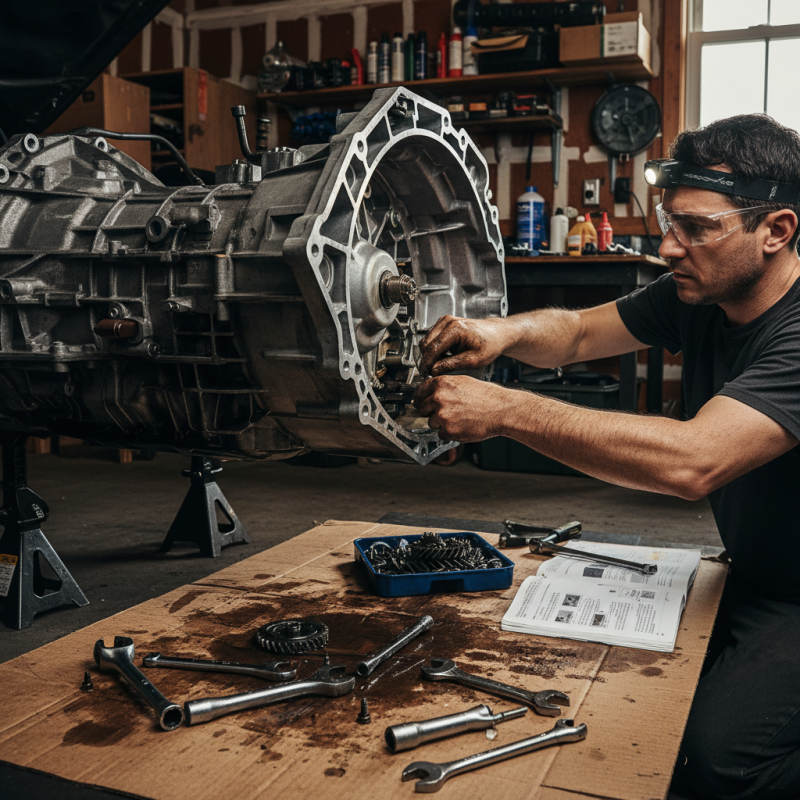
When tackling auto transmission repair at home, having the right tools is crucial. Start with basic items like a floor jack and jack stands. These will help you lift the vehicle safely. Include a good set of wrenches and sockets for removing bolts. Don’t forget about a transmission pan gasket scraper. This tool will prevent leaks during reassembly.
A torque wrench is another essential tool. It ensures that bolts are tightened to the correct specifications. Without it, you risk over-tightening and damaging components. You might also need a funnel and several containers for fluid. These small details matter when trying to keep your workspace organized.
While you can find many online guides, they might not cover all scenarios. Expect to run into issues that are not addressed. It’s important to analyze problems carefully. You might find you need additional tools as you go along. Be prepared for surprises. Auto transmission repair is complex. Patience and reflection on your approach will lead you to a successful outcome.
Auto Transmission Repair Tools and Equipment Usage
Step-by-Step Guide to Diagnosing Transmission Issues
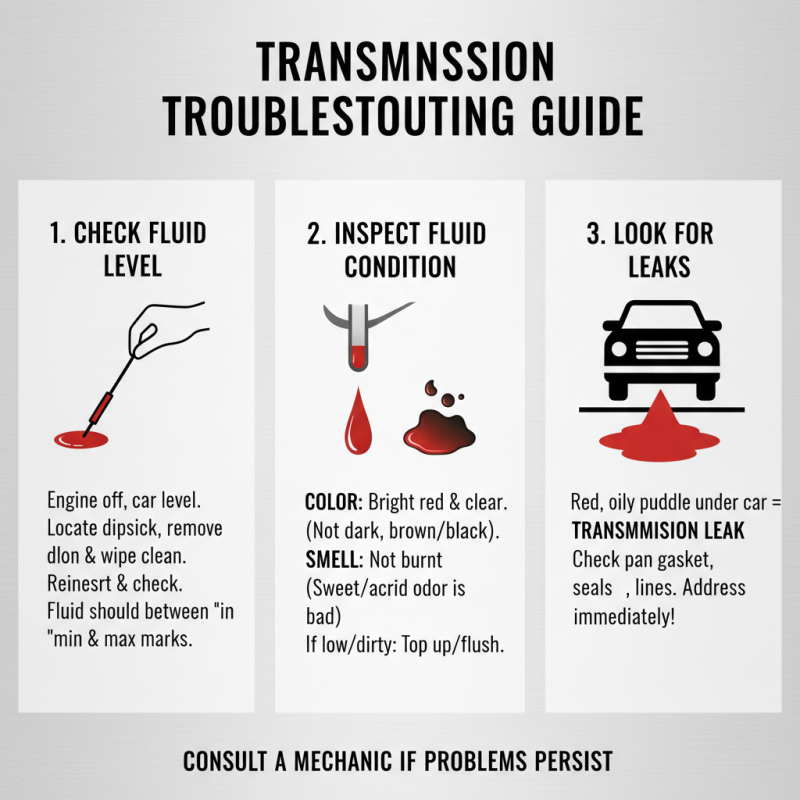
Diagnosing transmission issues can be daunting but manageable. Start by checking fluid levels. Low or dirty fluid can lead to various problems. Look for leaks under your vehicle. A puddle of red fluid indicates a leak. Ensure you inspect the condition of the transmission fluid; it should be a bright red color and not smell burnt.
Next, listen to your vehicle’s sounds. Unusual noises, such as grinding or whining, can signal a deeper issue. Observe how your vehicle shifts gears. Hesitation or slipping may suggest problems with the transmission. It's all about paying attention to the details. Jot down any unusual occurrences or patterns. This information can guide your repair efforts.
If warning lights appear on your dashboard, take them seriously. Use an OBD-II scanner to gather error codes. These codes are crucial for diagnostics. However, understanding them can be tricky. Don't hesitate to consult online resources or forums for guidance. Learning from others’ experiences can provide insights. It's a journey of trial and error; mistakes are part of the process. Just remember to approach it methodically.
Performing Common Repairs: Fluids, Filters, and Seals
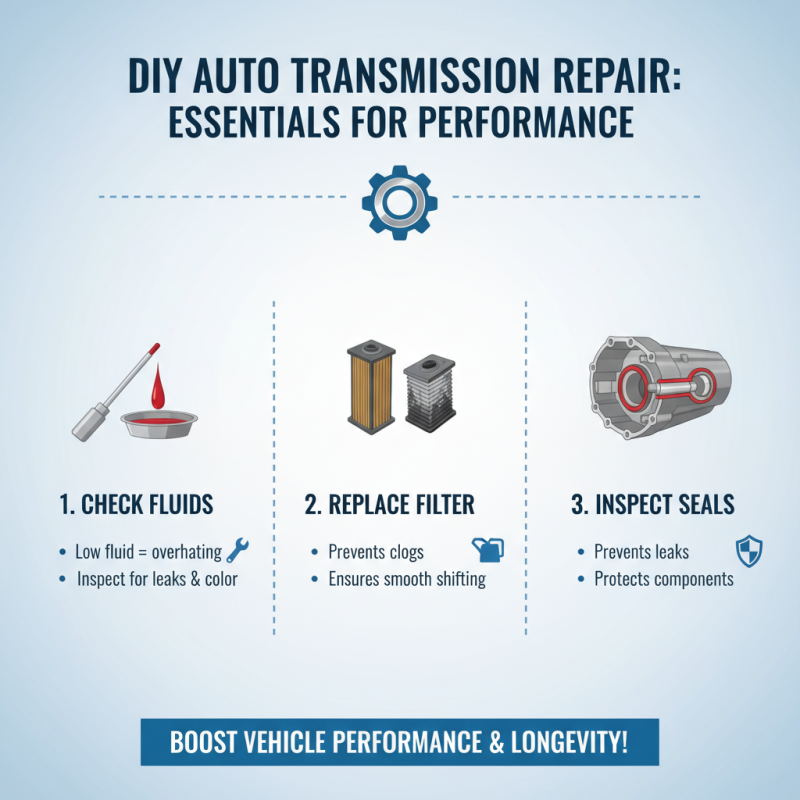
Performing common repairs on your auto transmission can be rewarding. Essentials include checking fluids, replacing filters, and inspecting seals. These tasks can improve your vehicle's performance significantly.
Start with the transmission fluid. It’s vital for proper functioning. Check the color and smell. Healthy fluid should be bright red and clean. If it’s dark or smells burnt, it’s time to change it. Ensure you use the correct fluid type for your vehicle. Pouring in the wrong one could lead to problems.
Filters play a critical role too. They catch debris and keep the system clean. When changing the fluid, inspect the filter. A clogged filter can restrict flow and cause damage. Replacing it during a fluid change is wise.
Tips: Keep a clean workspace. This helps avoid losing small parts. Always wear gloves for protection. Lastly, take your time. Rushing can lead to mistakes. If unsure, consult online forums or guides. A little research goes a long way.
Reassembling the Transmission and Testing Your Repairs
Reassembling your auto transmission can be a daunting task. Precision and patience are key here. Begin by laying all parts out clearly. Check for any damages you may have missed. Small cracks can lead to bigger problems later on. Make sure to double-check the assembly order. Having a manual or guide is vital.
Before sealing everything back up, ensure all components fit snugly. Misaligned pieces can cause leaks or even component failure. Pay attention to the torque specifications for any bolts. Too tight or too loose can lead to problems down the line.
Testing repairs is crucial. After reassembly, fill the transmission fluid and run the engine for a few minutes. Look for leaks and listen for unusual sounds. It’s important to take your time during this step. Missed issues now can result in costly fixes later. Always be ready to take a step back and reassess your work. This can save you from repeated mistakes.