ClickCease

10 Tips for Choosing a Reliable Transmission Rebuilder

A transmission problem rarely announces itself at a convenient time. You may notice a delayed shift, a burnt smell, or a small red-brown spot beneath your parked car. The repair decision that follows can affect your budget, schedule, and confidence in the vehicle. Choosing a transmission rebuilder is not simply a matter of finding the lowest estimate. It means checking how the shop diagnoses faults, selects parts, and stands behind its work.

A dependable specialist should explain the findings in plain language. Ask whether the inspection includes road testing, scan-tool results, and a clear list of recommended repairs. Request an itemized estimate that separates labor, parts, and possible additional costs. Ask what the warranty covers, how long it lasts, and whether it applies to both parts and labor. These details help you compare shops fairly. They also reveal whether the answers are specific or simply reassuring.

Experience matters, but claims alone are not proof. Look for relevant training, consistent customer feedback, and examples of repairs similar to yours. A clean work area can be encouraging, though it does not guarantee careful workmanship. Neither does a polished estimate. That is easy to overlook when you need your car back quickly. The ten tips in this guide offer practical questions to ask before authorizing work. Use them to evaluate communication, diagnostic methods, parts choices, warranties, and follow-up support. No checklist can remove every uncertainty, but a thoughtful conversation can help you make a better-informed decision.

10 Tips for Choosing a Reliable Transmission Rebuilder

Understand Your Transmission’s Repair Needs and Rebuilding Options

A slipping gear does not always mean the transmission needs a full rebuild. Delayed shifts, fluid leaks, warning lights, and unusual noises can point to different problems. Ask a qualified technician to scan for fault codes, check fluid condition, and road-test the vehicle before recommending major work. A burnt smell or metal flakes in the fluid deserve attention, but neither alone confirms the full extent of damage.

S&P Global Mobility reported that the average age of U.S. light vehicles reached 12.6 years in 2024. That matters: an older vehicle may have worn seals, sensors, or cooling components alongside transmission trouble. Compare a targeted repair, a rebuild, and a replacement using written estimates. Ask what parts will be replaced, whether the torque converter is included, and what testing follows assembly. A rebuild is not automatically the best answer.

Tip: Request the diagnostic findings and itemized quote before authorizing teardown. Clarify the warranty’s time, mileage, and exclusions, including coverage for labor. Ask how the shop checks line pressure and verifies shifts after installation. Small details count. A clear explanation should connect the symptoms to the proposed work; if it does not, pause and ask again.

Check the Rebuilder’s Credentials, Experience, and Specialization

Check credentials before discussing price. Ask whether the rebuilder holds current ASE certification in relevant areas, and verify the credential directly. ASE’s certification requirements include testing and applicable work experience; certification is useful evidence, not a guarantee of quality. The U.S. Bureau of Labor Statistics projects 4% employment growth for automotive service technicians and mechanics from 2023 to 2033, with about 67,700 openings each year. That demand makes it worth checking who will actually diagnose and rebuild your transmission.

Ask for proof. Request the technician’s years rebuilding your transmission type, not just general repair experience. A shop that regularly handles your vehicle’s transmission may know its common wear points and correct testing procedures. Ask what inspection findings support the diagnosis. A clear explanation should connect symptoms to evidence, such as clutch material in the pan, measured clearances, or scan-tool data. If the answer stays vague, pause.

Look for specialization and documentation. Ask whether the shop performs the rebuild in-house, what parts are replaced, and whether you’ll receive a written parts-and-labor warranty. Request photos or a teardown report; a clean workbench and labeled components are reassuring details, but they aren’t proof by themselves. I’d also ask how the shop handles a repeat fault. Even a confident specialist can miss something. Verify the details before authorizing work.

Compare Diagnostic Practices, Repair Plans, and Written Estimates

Ask what testing happens before a rebuilder recommends major work. Useful checks may include a road test, scan results, fluid condition, and inspection for leaks. Listen for specific findings, not just a vague claim that the transmission is failing. “It needs a rebuild” is not enough. Request the diagnostic results in plain language, and ask what they do not yet know.

Compare repair plans line by line. One shop may propose replacing worn clutch packs, while another may suggest a broader overhaul. Ask which parts will be reused, replaced, or inspected after disassembly. Clarify whether the plan addresses the cause of failure, not only its visible symptoms. Small details matter. A plan can sound thorough and still leave important questions unanswered.

Get a written estimate that separates labor, parts, machine work, and possible added costs. Check whether taxes, fluids, and removal or installation are included. Ask what approval is needed if teardown reveals more damage, and request any warranty terms in writing. An estimate is not a promise carved in stone. If costs change, expect a clear explanation before work continues. Keep a copy of every revision.

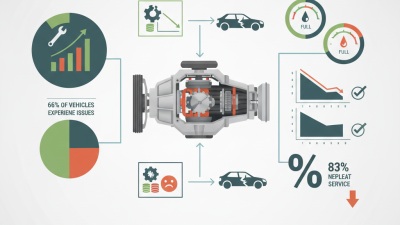
The scores are an illustrative buyer-priority checklist, not survey results. Compare each shop’s diagnostic process, proposed repair plan, and written estimate before authorizing work.

Evaluate Parts Quality, Workmanship, and Warranty Coverage

Choosing a reliable transmission rebuilder means looking beyond a polished shop and a confident estimate. Ask for proof. Request a written parts list showing whether clutches, seals, bushings, and the torque converter are replaced or reused. Ask how worn hard parts are measured and what inspection records you will receive. A clean workbench is reassuring, but it proves little by itself. The Automotive Parts Remanufacturers Association (APRA) cites potential energy savings of up to 85% when remanufacturing instead of making new products. That broad industry estimate is not a transmission-quality rating; careful inspection and documented procedures still matter.

Workmanship is easier to assess when the rebuilder explains testing clearly. Ask whether the completed unit receives pressure, leak, and road testing, and whether results are recorded. Vague answers deserve a pause. Compare warranty terms line by line: duration, mileage limit, labor coverage, towing, fluid requirements, and exclusions. A long warranty can sound strong while covering only replacement parts, leaving substantial labor costs to you. Ask who handles a claim and how quickly the unit must be returned. Keep copies. One detail is easy to miss: confirm whether installation by another shop affects coverage. The fairest choice is the rebuilder who explains limits plainly, not the one who promises perfection.

10 Tips for Choosing a Reliable Transmission Rebuilder - Evaluate Parts Quality, Workmanship, and Warranty Coverage

Tip What to Evaluate Questions or Evidence to Request Potential Warning Sign
1. Confirm relevant experience Experience with your vehicle’s transmission type, model, and symptoms. Ask how often the shop rebuilds this type of transmission and whether it can explain the likely diagnostic steps. A confident quote before the shop has gathered basic vehicle details or inspected the fault.
2. Request diagnosis before authorization Whether the shop checks fault codes, fluid condition, leaks, and other relevant systems before recommending a rebuild. Ask for the findings and an estimate that separates diagnosis, removal, repair, and installation where applicable. A rebuild recommendation based only on a symptom, without explaining what was checked.
3. Ask for a written parts list Which components will be replaced, reused, inspected, or repaired, and what parts specifications apply. Request an itemized estimate and clarification of whether parts are new, remanufactured, or reused. Vague wording such as “complete rebuild” with no description of included parts or labor.
4. Evaluate parts quality and suitability Whether replacement parts meet the transmission’s application and required specifications. Ask how the shop selects parts and whether it will identify the parts and specifications on the estimate or invoice. The shop cannot explain what parts are included or whether they are appropriate for your vehicle.
5. Check inspection and measurement practices Whether components are inspected for wear or damage and checked against applicable specifications during assembly. Ask how the shop documents damaged parts and verifies clearances or other required measurements. The process is described as replacing a standard set of parts without inspecting the unit’s condition.
6. Ask about cleanliness and assembly controls How parts are cleaned, organized, and protected from contamination during rebuilding. Ask the rebuilder to describe its cleaning and assembly procedures and how it tracks components during the job. No clear answer about keeping internal components clean or preventing mix-ups.
7. Verify related-system checks Whether the shop considers factors such as the cooler, fluid lines, controls, mounts, and engine-related issues when relevant. Ask what related checks are included and whether any additional work requires your approval. The shop cannot explain how it will address a suspected cause outside the transmission itself.
8. Review workmanship and road-test procedures Installation checks, adjustment or programming needs where applicable, and verification after repair. Ask how the shop confirms operation after installation and whether it provides a written repair record. No explanation of post-repair checks or what happens if a problem remains.
9. Read the warranty in writing Duration, covered parts and labor, exclusions, claim process, and any required maintenance or servicing. Request the complete written terms and ask who pays for diagnosis, removal, reinstallation, and related costs if a covered failure occurs. Only verbal assurances, unclear exclusions, or no explanation of how to make a claim.
10. Compare complete estimates and communication Total scope, likely extra charges, estimated turnaround, approval process, and how updates are provided. Compare itemized written estimates and confirm that additional work requires your approval before it is performed. A low headline price with unclear inclusions, open-ended charges, or no agreed communication plan.

Warranty terms, repair procedures, and parts availability vary by shop, vehicle, and transmission. Confirm all estimates, specifications, and coverage in writing before authorizing work.

Review Communication, Turnaround Time, and Customer Feedback

10 Tips for Choosing a Reliable Transmission Rebuilder
Review Communication, Turnaround Time, and Customer Feedback

Tip 1: Ask how diagnostic results will be explained. Tip 2: Choose a clear contact method, such as phone or email. Tip 3: Agree on how often you’ll receive updates. Tip 4: Request approval before any extra work begins. Tip 5: Get an itemized written estimate. It should separate parts and labor. Clear details help prevent surprises.

Tip 6: Ask for a realistic target completion date. Tip 7: Find out how delays will be communicated. Diagnosis, parts availability, and road testing can all affect timing. A perfect schedule is rare. If a date changes, ask what changed and when you’ll hear more. Keep brief notes after calls; small details are easy to forget when your vehicle is off the road.

Tip 8: Read recent reviews for repeated patterns. Tip 9: Look for comments about missed deadlines, changing estimates, and clear explanations. One unhappy review may not tell the whole story, but repeated concerns deserve a direct question. Tip 10: Ask how the shop handles unresolved problems after the repair. Compare the answer with its written warranty. Notice the tone, too: a careful answer is more useful than a confident promise.