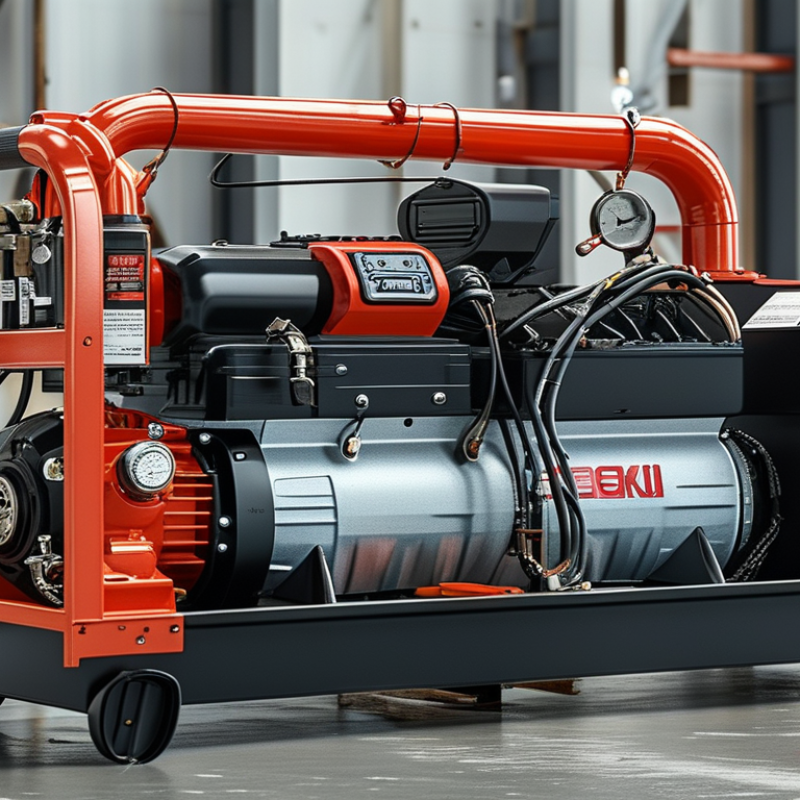
Top Tips for Choosing the Right Diesel Water Pump Unit?
Choosing the right Diesel Water Pump Unit is crucial for various applications. These units are vital in agriculture, construction, and emergency services. Selecting the correct pump can impact efficiency and project outcomes significantly.
When considering a Diesel Water Pump Unit, you must evaluate factors like capacity, portability, and fuel efficiency. A reliable unit will save you time and resources. However, there are many options available, and it can be overwhelming to narrow them down. Some features may seem appealing but may not meet your specific needs.
It helps to consult experts or read user reviews. You may find that what works for others may not work for you. Make informed choices by considering detailed specifications and your unique requirements. The right Diesel Water Pump Unit can ensure effective water management and support your project goals.
Understanding Diesel Water Pump Units: Key Features to Consider
When choosing a diesel water pump unit, specific features are critical. Assess the pump's flow rate and pressure levels. Knowing the required gallons per minute (GPM) ensures you pick a suitable model. A unit that can't meet your needs may lead to inefficiencies.
Another essential aspect is the pump's construction. A sturdy, corrosion-resistant body extends its lifespan. Look for high-quality materials like cast iron. Cheap models may save money initially but often face issues later. Maintenance requirements are also important.
Lastly, consider portability and noise level. A unit that's easy to move makes outdoor projects manageable. Diesel engines can be loud, so check specifications for noise ratings. Noise could be a significant issue in residential areas. A balance between power and sound is crucial.
Assessing Power Requirements: Calculating Flow Rate and Pressure Needs
When selecting a diesel water pump unit, it is critical to assess your power requirements. The two primary factors are flow rate and pressure needs. Understanding these factors begins with calculating the required flow rate for your application. Various industry reports indicate that flow rates can vary widely, typically from 100 to 1,200 gallons per minute (GPM). Your specific needs will dictate where you fall within this range.
Pressure needs often play a pivotal role too. The recommended pressure for most applications usually falls between 30 and 70 psi. However, high-pressure scenarios, such as firefighting or irrigation setups, may require pressures exceeding 100 psi. Analyzing the necessary pressure ensures that the pump delivers sufficient force to meet the demands of your system. Misjudging these requirements can result in equipment inefficiency or project delays.
Consider the implications of an underpowered diesel pump. Insufficient flow or pressure can lead to system failures. Research shows that even a minor miscalculation in flow rate can lead to a 20% drop in efficiency. This inefficiency not only wastes energy but also escalates operational costs. Taking the time to accurately assess your needs is not just beneficial; it is essential for long-term success in any project involving water movement.
Evaluating Portability: Fixed vs. Mobile Diesel Water Pump Units
When choosing a diesel water pump unit, portability is crucial. Fixed units offer stability and power. They excel in large-scale operations with consistent water needs. However, they lack mobility, making them less suited for diverse sites. Think about your specific requirements. Do you need movement?
Mobile units are designed for mobility. They are versatile and can be transported easily. This feature is vital for construction sites or emergency situations. While they may sacrifice some power, their flexibility compensates for it.
Evaluate the weight and size of mobile units. Can they be moved by one person, or will you need assistance?
Both fixed and mobile units come with their pros and cons. What works for one situation may not be ideal for another. Reflect on your long-term needs. A mix of both types may be necessary. Assessing your specific use case will help you decide. Always remember, there’s no one-size-fits-all solution.
Maintenance and Durability: Choosing Reliable Materials and Design
When selecting a diesel water pump unit, the materials and design play a crucial role in its longevity and functionality. High-quality components such as stainless steel or aluminum significantly influence durability. These materials resist corrosion and wear over time. If a pump is made from inferior materials, it could fail unexpectedly. Inspecting the specifics can save money in the long run.
Design is equally important. A well-thought-out design reduces maintenance needs and enhances performance. Look for features like easily accessible filters and robust seals. These elements are often overlooked but can impact overall efficiency. Simplicity in design might mean fewer points of failure. However, not every design is user-friendly. Buyers should research and perhaps consult experts when in doubt.
Consider the environment where the pump will be used. Extreme temperatures, dust, or moisture can affect durability. Some units may not perform well under certain conditions. Reflect on past experiences and what could have been improved. A focus on maintenance can elevate the reliability of any diesel water pump unit.
Top Tips for Choosing the Right Diesel Water Pump Unit
| Feature | Importance | Durability Materials | Maintenance Frequency |
| Pump Capacity | Critical | Cast Iron | Every 6 months |
| Fuel Efficiency | High | Aluminum | Annually |
| Ease of Transport | Moderate | Stainless Steel | As needed |
| Noise Level | Medium | Rubber Insulation | Every 3 months |
| Warranty Period | Important | High-Strength Plastics | Review annually |
Budget Considerations: Cost vs. Performance in Diesel Water Pumps
When selecting a diesel water pump unit, budget considerations are vital. A common dilemma is balancing cost with performance. According to industry reports, the upfront cost may represent only 30% of the total investment. Maintenance and fuel costs can escalate over time. Recognizing these hidden costs is crucial for making an informed decision.
Performance metrics are often tied to initial expenses. Investing in a higher-quality pump can lead to greater efficiency. Data from engineering studies show that efficient diesel pumps can consume up to 20% less fuel. This not only reduces operating costs but also extends the lifespan of the unit. Choosing a well-reviewed pump helps avoid issues that may arise with cheaper models.
It's also essential to consider the specific requirements of your project. Some pumps may excel in pressure output but may not be ideal for continuous use. The trade-off between capacity and efficiency can be tricky. Understanding your water sourcing needs can prevent costly mistakes later on. Aim for a comprehensive evaluation rather than a quick fix.