Top Auto Repair Programs for Beginners and Professionals to Consider?
In the ever-evolving field of auto repair, the right education can make a difference. Jacob Stevens, an industry expert, notes, "Finding the right auto repair programs is crucial for success." For those starting out or for seasoned professionals looking to enhance their skills, the choice of program matters significantly.
Many program options exist today, ranging from community colleges to specialized training centers. Each has unique benefits and shortcomings. Beginners often struggle to find a pathway that caters to both theoretical knowledge and hands-on experience. Professionals, on the other hand, may face challenges in keeping pace with technological advancements in vehicle repair.
Evaluating various auto repair programs can be overwhelming. Factors like curriculum, instructor expertise, and available resources play critical roles. It's essential to reflect on one's goals, but also recognize that no program is perfect. The personal journey toward becoming skilled in auto repair requires continuous learning and adaptation.
Top Auto Repair Programs for Beginners: Key Features to Look For
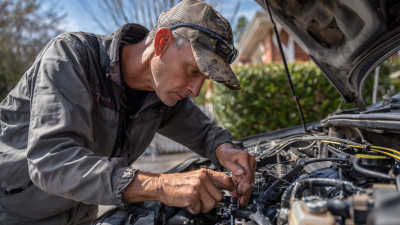
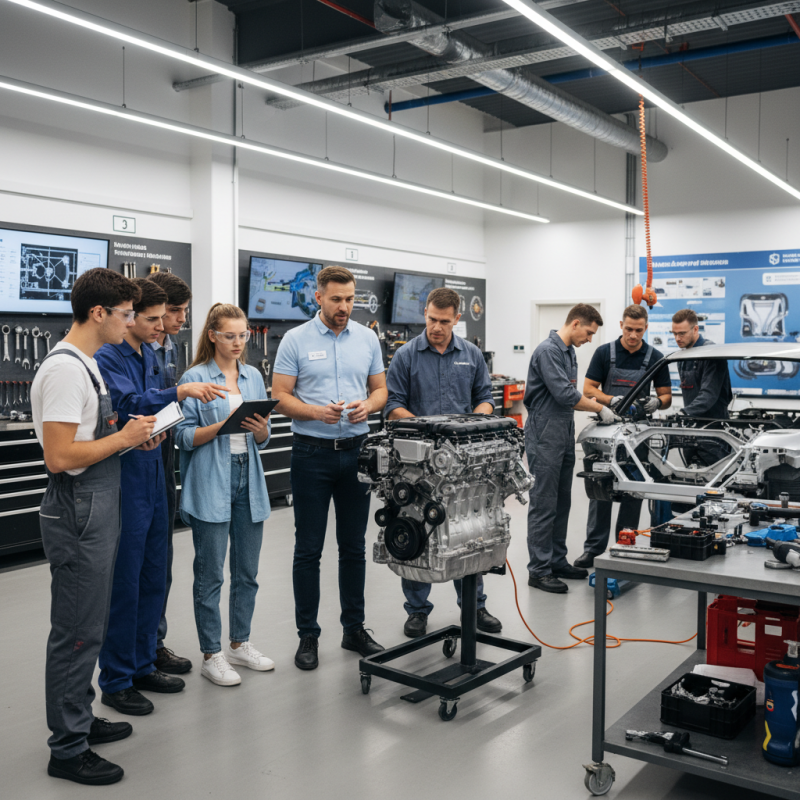
When choosing an auto repair program, beginners should prioritize certain key features. First, look for hands-on training opportunities. Workshops and labs are essential for practical experience. Learning mechanics through observation is limited. You need to dig in and work with real vehicles. This experience can dramatically enhance your skills.
Next, consider the curriculum's comprehensiveness. A good program should cover everything from basic tools to advanced diagnostic techniques. It should also adapt to new technologies. Cars are constantly evolving, and so must your education. Programs that include updates on electric vehicles and hybrid systems are crucial.
Tip: Engage with instructors during practical sessions. Their real-world experience can offer insights you won't find in textbooks. Don't hesitate to ask questions, even if they seem basic. Learning is a process filled with mistakes. Embrace them, and reflect on what went wrong to improve your skills.
Additionally, networking opportunities are essential. Programs that connect students with industry professionals can open doors. Attend career fairs and workshops to meet potential employers. Building relationships can be as important as learning technical skills.
Essential Skills Required for Professional Auto Technicians
Becoming a professional auto technician requires a solid set of skills. Diagnostic ability is crucial. Technicians need to identify issues quickly and accurately. This can be challenging due to the complexity of modern vehicles. Understanding electrical systems is also important. Many repairs today involve intricate wiring and sensors. It’s easy to overlook the basics, but they are essential.
Hands-on experience cannot be underestimated. Working with different types of vehicles provides practical knowledge. Mistakes will happen, and learning from them is vital. Communication skills play a big role as well. Technicians must explain repairs to customers. Some may struggle with this aspect. It can be daunting to simplify technical terms.
Problem-solving skills are essential too. Each car brings unique challenges. Finding a solution often requires creativity. Not every solution is straightforward. Reflection on past mistakes leads to growth. This process is ongoing, and even seasoned professionals can improve. Embracing these challenges can greatly enhance a technician's career.
Comparative Analysis of Online vs. In-Person Auto Repair Programs
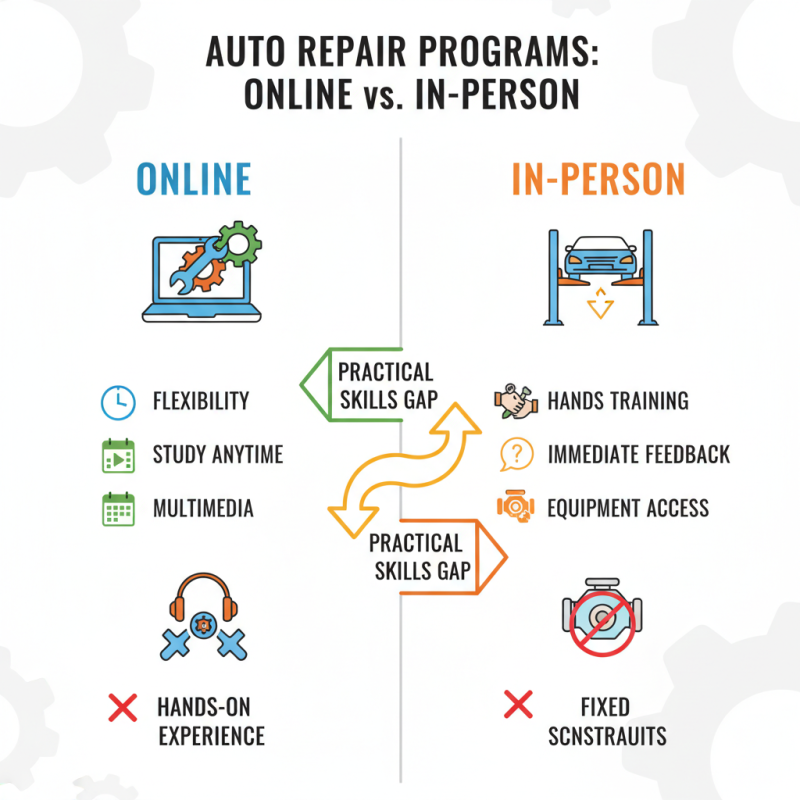
When exploring auto repair programs, a critical choice arises between online and in-person formats. Online programs provide flexibility. Learners can access materials anytime, fitting studies into their schedules. Many online courses come with engaging multimedia elements. However, this can lack hands-on experience, which is vital in automotive training.
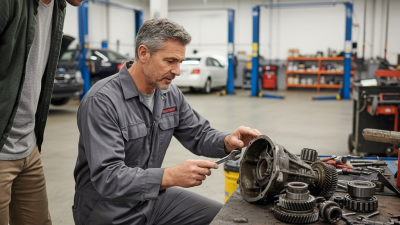
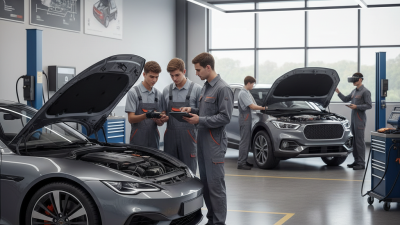
In-person classes offer direct interaction with instructors. Students can practice on actual vehicles, honing essential skills. This tactile learning environment can accelerate expertise. Yet, it comes with fixed schedules and transportation needs. It may not suit everyone’s lifestyle, leading to possible missed classes.
Both formats have their merits and challenges. Online courses can feel isolating, lacking community. Meanwhile, in-person classes can be overwhelming for shy learners. Reflecting on personal learning styles can guide individuals in making the right choice for their auto repair education.
Industry Trends: Certification and Training Standards for Auto Repair
In the ever-evolving auto repair industry, certification and training standards play a crucial role. This is essential for both beginners and seasoned professionals. A structured training program helps build foundational skills. Many courses cover diagnostics, engine repair, and system maintenance. However, not all programs meet industry needs effectively.
Emerging trends reflect a shift toward more hands-on learning experiences. Workshops and hands-on labs offer practical knowledge application. Yet, some institutions still rely heavily on outdated teaching methods. They often focus too much on theory rather than practice. This creates a gap in real-world readiness. Students may graduate without sufficient lab experience.
Continuing education is vital. Certifications must adapt to technological advancements. Electric vehicles and hybrid technology are on the rise. Programs that lack these topics fall short. They may leave technicians unprepared for modern challenges. As the industry shifts, ongoing training will be essential for success.
Employment Outcomes: Job Placement Rates for Auto Repair Graduates
The auto repair industry offers promising job placement rates for graduates. According to a recent industry report, over 80% of graduates find employment within six months of completing their programs. This statistic reflects the strong demand for skilled technicians in a growing market. As vehicles become more advanced, the need for training has never been more critical.
Some programs report placement rates as high as 90%. Graduates often secure positions in repair shops, dealerships, and even corporate automotive facilities. These roles vary widely, from basic servicing to specialized repair tasks. However, not all graduates find jobs immediately. Some face competition due to the influx of new technicians entering the field. Thus, while opportunities exist, securing them may require extra effort.
Continuous learning is essential in this field. Graduates must adapt to new technologies. Employers seek candidates who are proactive about their skills. Investing time in further certifications can make a difference. However, many underestimate the importance of ongoing education. This gap can affect job readiness after graduation. The industry is evolving, and staying updated is non-negotiable for success.