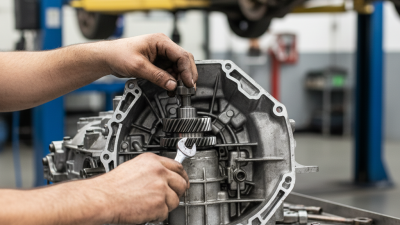
Top 10 Tips for Car Transmission Repair You Should Know?
Car transmission repair can be a daunting task for many vehicle owners. Understanding the complexities involved is vital. A faulty transmission affects performance and safety. Ignoring early signs can lead to expensive repairs down the road.
Knowing basic tips can save time and money. Regular maintenance is key. Checking fluid levels should be routine. Waiting too long may worsen the situation. Some drivers feel overwhelmed by repair options. It's important not to let fear dictate decisions.
Practical knowledge empowers car owners. Learning about common issues can make repairs manageable. Identifying problems early can prevent breakdowns. Being proactive with car transmission repair reduces stress. A little awareness goes a long way. Remember, every detail matters in keeping your vehicle running smoothly.
Understanding Car Transmission Basics
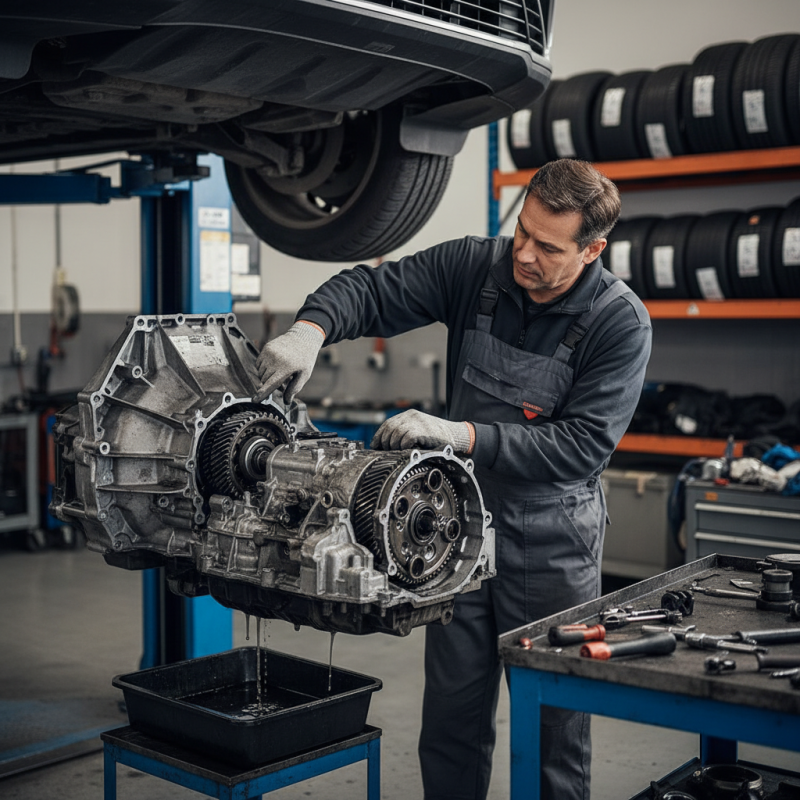
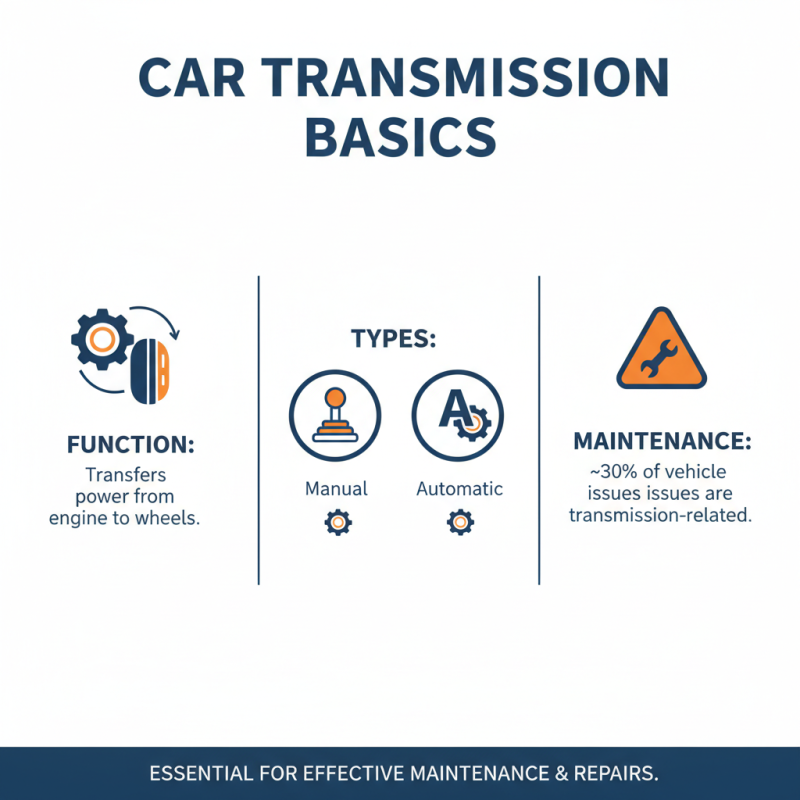
Understanding car transmission basics is essential for effective maintenance and repairs. The transmission system is a crucial component that transfers power from the engine to the wheels. It is often categorized into two types: manual and automatic. According to industry reports, around 30% of vehicle issues are related to transmission problems. This highlights the importance of understanding how it operates.
Manual transmissions rely on a clutch and gears to change speeds. Drivers need to engage the clutch and shift gears manually. Automatic transmissions use hydraulic systems for smoother operation. An estimated 70% of vehicles on the road now have automatic transmissions. Knowing these mechanics can help diagnose issues early.
Common transmission concerns include slipping, delayed engagement, or strange noises. A survey by a leading automotive group revealed that a staggering 54% of drivers are unaware of how their transmission works. This lack of knowledge can lead to costly repairs. Keeping track of fluid levels can save you time and money. Regular maintenance is crucial; neglect can result in bigger problems down the road.
Identifying Common Transmission Issues
When it comes to car transmission issues, signs can often go unnoticed until it's too late.
Recognizing these issues early can save you from costly repairs. Common symptoms include slipping gears, strange noises, and delayed engagement.
Notice any changes in your vehicle's performance? These could indicate serious transmission problems.
Pay attention to your car’s fluid level. If it’s low or has a burnt smell, that could signal trouble.
Regular checks can prevent bigger issues. Monitor for leaks under your vehicle as well.
Small spots might seem harmless, but they can lead to extensive damage.
Listen for unusual sounds while driving. Grinding or clunking noises may also mean transmission problems.
Respond quickly to these signs. Delayed maintenance can worsen the situation.
Be proactive rather than reactive. Regular inspections can help identify issues before they escalate.
Understanding your vehicle is key. Transmissions are complex, and being aware can lead to better care.
Step-by-Step Guide to Transmission Fluid Maintenance
Transmission fluid maintenance is crucial for your vehicle's performance. It acts as a lubricant, helping to keep the gears functioning smoothly. According to industry reports, nearly 70% of automatic transmission failures are linked to issues with fluid maintenance. Regularly checking and changing your transmission fluid can prevent costly repairs.
One practical tip is to check the fluid level regularly. A quick inspection can save you a lot of trouble. If the fluid appears dark or smells burnt, it's time for a change. Many experts recommend changing the fluid every 30,000 to 60,000 miles, depending on your vehicle's make and model. Consistency is key. Neglecting fluid changes could lead to severe damage, making it essential to stay on top of maintenance.
For DIY enthusiasts, consider employing a manual fluid change process. This involves draining the old fluid and adding new fluid. Make sure to use the appropriate type of fluid recommended for your transmission. Being hands-on can result in a stronger connection to your vehicle. However, mistakes can happen, so always double-check your work. Ensuring that your transmission fluid is clean and at the proper level helps prolong the life of your transmission. It’s an investment worth considering.
Tools You Need for DIY Transmission Repairs
When tackling DIY transmission repairs, having the right tools is crucial. A basic toolkit should include a socket set, wrenches, and screwdrivers. The average cost for a full toolkit can range from $150 to $300. This investment is minimal compared to the potential savings on labor costs. In 2022, the average mechanic's hourly rate has exceeded $100, making DIY repairs attractive.
Specialized tools are also essential. A transmission jack costs around $200. This tool is vital for safely removing and installing a transmission. According to industry reports, improper handling can lead to accidents or damage, resulting in further costs. A torque wrench ensures that all components are tightened to the manufacturer’s specifications, which is commonly overlooked.
Don’t forget about diagnostic tools. OBD-II scanners can cost about $50. These devices help identify issues before diving into repairs. Studies indicate that early diagnosis can save up to 30% in repair costs. However, it's easy to rely too heavily on technology and neglect manual checks. Trust your instincts and always double-check your work as you go.
Top 10 Tips for Car Transmission Repair
When to Seek Professional Help for Transmission Problems
Transmission problems can often start with subtle signs. You might notice slipping gears or difficulty in shifting. These symptoms can be frustrating, but they also indicate that it’s time to evaluate the situation. Listening to unusual sounds is crucial. If your car makes grinding or whining noises, it's a warning sign.
Ignoring these issues may lead to bigger problems. Fluid leaks are another red flag. Spotting red fluid underneath your vehicle means you should promptly check your transmission. If you feel any unusual vibrations while driving, don't brush it off. It's an indication that professional help is needed soon.
Taking proactive steps can save you money. If basic checks don’t resolve the trouble, seeking expert advice is wise. Relying on the expertise of a mechanic can make a big difference. They can offer insights that may not be evident to you. Remember, your vehicle's health is essential for your safety and peace of mind.
Top 10 Tips for Car Transmission Repair You Should Know
| Tip Number |
Tip Description |
When to Seek Help |
| 1 |
Check Transmission Fluid Regularly |
If the fluid is low or dirty |
| 2 |
Listen for Unusual Noises |
If you hear grinding or whining sounds |
| 3 |
Monitor Gear Changes |
If there are delays or slipping |
| 4 |
Inspect for Fluid Leaks |
If you find spots or puddles |
| 5 |
Use the Right Transmission Fluid |
If your vehicle has specific fluid requirements |
| 6 |
Warm Up Your Engine |
If you notice issues during cold starts |
| 7 |
Check for Dashboard Warning Lights |
If the transmission light is on |
| 8 |
Change Your Transmission Filter |
If recommended in the maintenance schedule |
| 9 |
Keep an Eye on Engine Performance |
If you experience loss of power |
| 10 |
Consult a Professional |
If you are unsure about symptoms or repairs |