How to Tune Up and Change Oil for Your Vehicle?
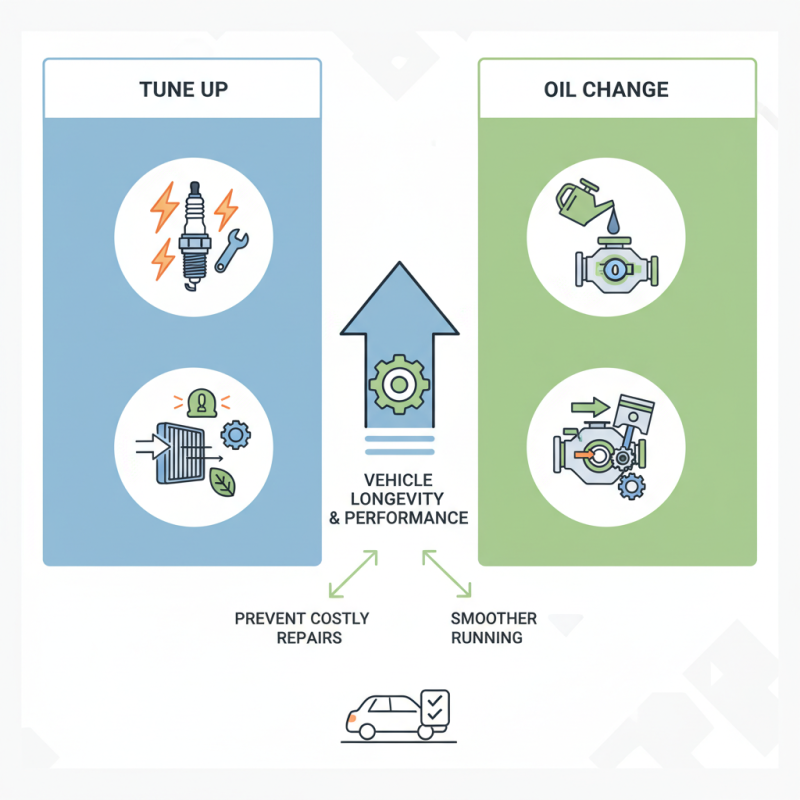
Maintaining your vehicle is essential for its longevity and performance. Experts emphasize the importance of both a tune up and oil change. Joe Thompson, a seasoned mechanic with over 15 years in the field, states, "Regular tune ups and oil changes are key to a healthy engine." His insight underlines the necessity of frequent maintenance.
When you think about tune ups, consider checking sparks, filters, and systems. These simple steps can dramatically improve your car's efficiency. An oil change is another critical aspect. Fresh oil lubricates moving parts and helps prevent engine wear. Both processes are vital to keep your vehicle running smoothly.
Yet, many car owners neglect these tasks. Some believe they can wait until something goes wrong. However, that approach can lead to costly repairs. Taking proactive steps can save money and headaches. Understanding the significance of tune ups and oil changes is essential for every vehicle owner.
How to Assess Your Vehicle's Maintenance Needs
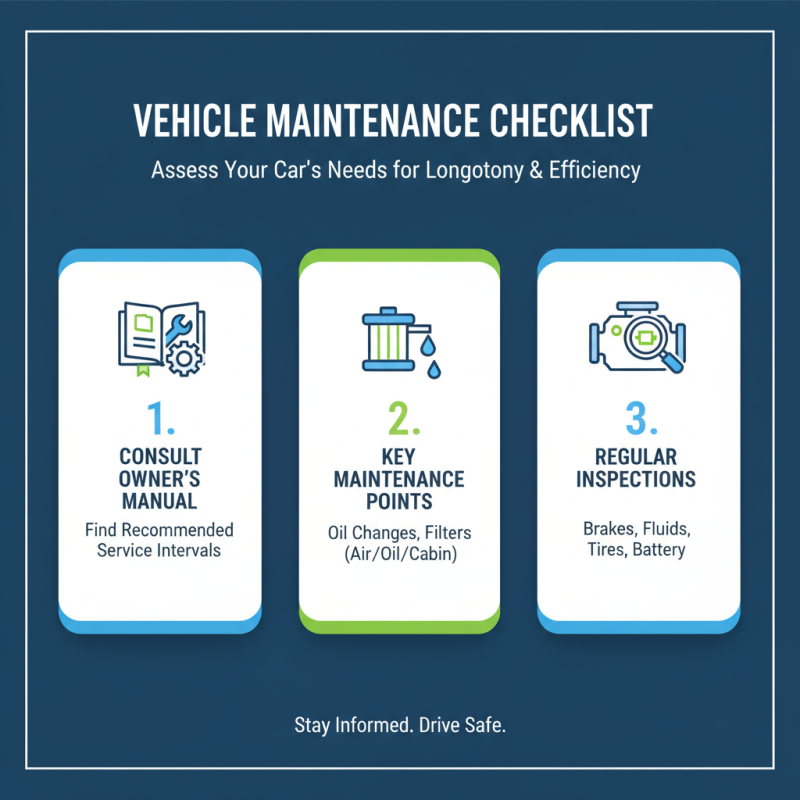
Assessing your vehicle's maintenance needs is crucial for its longevity. A well-maintained car runs more efficiently. Start by checking the owner's manual for recommended service intervals. This document usually provides vital information on oil changes, filter replacements, and inspections.
Look for warning signs that indicate potential issues. Pay attention to dashboard warning lights, strange noises, or unusual smells. These signals are often your car's way of telling you something is wrong. Regular visual inspections of tires, brakes, and belts can also prevent serious problems.
Keeping a maintenance log can help track everything. Document oil changes, tire rotations, and other services. This log not only helps you remember when to perform necessary tasks but also boosts your vehicle's resale value. You might need to reflect on your driving habits as well. Frequent short trips can strain your vehicle more than long drives. Assessing your vehicle's needs means being honest about its condition and your driving patterns.
Understanding Your Vehicle's Oil Specifications
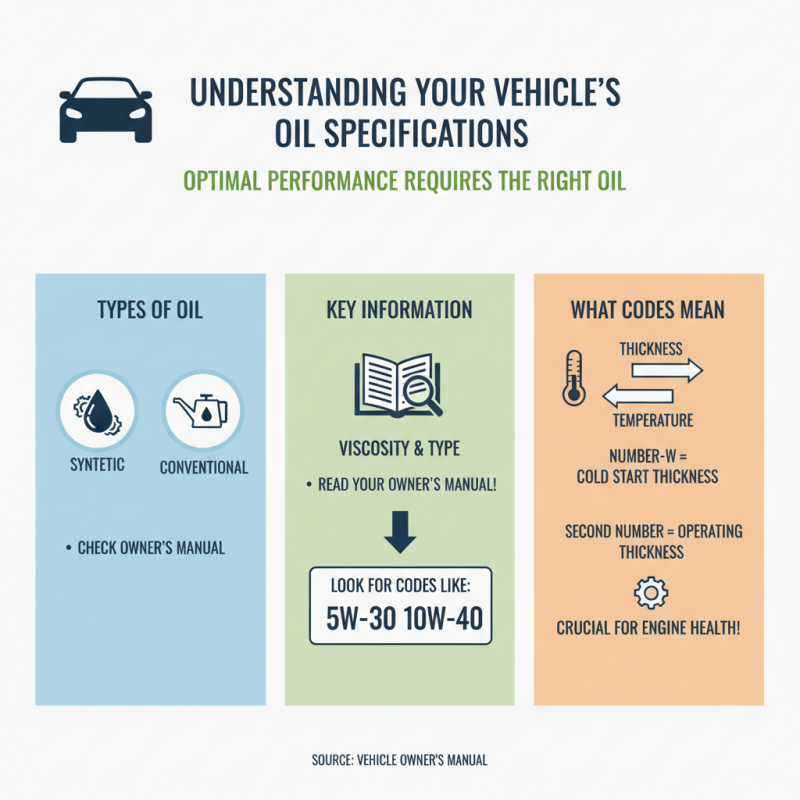
Understanding your vehicle's oil specifications is crucial for optimal performance. Each car requires specific oil types. This can range from synthetic to conventional oil. Reading your owner’s manual is key to identifying the right viscosity and type. You may find information like "5W-30" or "10W-40." These codes indicate the oil's thickness at different temperatures.
Tips: Regularly check your oil level, especially before long trips. Low oil can lead to engine issues. Use a dipstick to monitor the oil status. If your oil appears dark or gritty, it's time for a change.
Many drivers overlook oil changes, focusing on other maintenance tasks. However, neglecting this can affect engine life. Aim for a change every 3,000 to 5,000 miles, depending on your oil type. Keeping track of maintenance schedules helps maintain vehicle health.
Tips: When changing oil, ensure a proper disposal method for used oil. Avoid mixing different oil types, as this can lead to performance issues. Understanding your oil specifications creates a pathway to a longer-lasting vehicle.
Step-by-Step Guide to Changing Your Oil
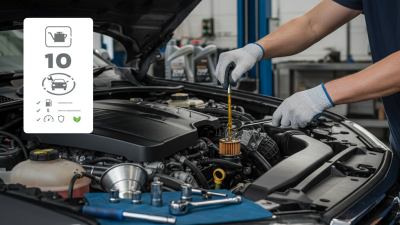
Changing your vehicle's oil is crucial for its longevity and performance. This process may seem daunting, but with the right steps, it can be manageable. Begin by gathering the necessary tools: an oil filter wrench, a drain pan, and an adjustable wrench. Make sure you have new oil and a new filter ready. You’ll need to check your vehicle's manual for the correct oil type and filter specifications.
Start the process by warming up your engine slightly. This helps to thin the oil, making it easier to drain. Park on a flat surface for safety. Once the engine warms up, turn it off and allow a brief cooling period. Place the drain pan under the oil pan. Remove the drain plug and let the old oil flow into the pan. Be sure to wear gloves, as the oil can be hot. After the oil has completely drained, replace the drain plug securely.
Next, remove the old oil filter. You might need a bit of force. Before installing the new filter, apply a little new oil to the rubber gasket on the new one. This helps to create a better seal. Install the new oil filter, ensuring it is snug but not overly tight. Finally, pour the new oil into the engine and check the dipstick for the right level. Remember to dispose of the old oil and filter responsibly. This process can be messy, so wear clothes you don’t mind getting dirty. If you encounter issues, don't hesitate to ask for help or consult a professional.
How to Tune Up and Change Oil for Your Vehicle? - Step-by-Step Guide to Changing Your Oil
| Step |
Description |
Tools Required |
Time Estimate |
| 1 |
Gather necessary tools and materials. |
Oil filter wrench, socket set, oil catch pan, funnel. |
15 minutes |
| 2 |
Warm up the engine for a few minutes. |
N/A |
5 minutes |
| 3 |
Position the oil catch pan under the oil pan. |
Oil catch pan |
5 minutes |
| 4 |
Remove the drain plug and let the oil drain completely. |
Socket set |
10 minutes |
| 5 |
Replace the drain plug once the oil has drained. |
Socket set |
5 minutes |
| 6 |
Replace the oil filter. |
Oil filter wrench |
10 minutes |
| 7 |
Add new oil through the funnel. |
Funnel |
5 minutes |
| 8 |
Start the engine and check for leaks. |
N/A |
5 minutes |
Essential Tools for an Effective Oil Change
Changing your vehicle's oil is crucial for its longevity. To do this effectively, you need essential tools. A good quality wrench set is vital for removing the oil drain plug. An oil filter wrench will help you easily replace the filter. Investing in these tools can make the process smoother.
Remember to have a large oil catch pan ready. This will prevent spills and keep your workspace tidy. An oil funnel is also necessary for pouring new oil without making a mess. Ensure the funnel fits snugly into the opening to avoid spills.
Tips: Always consult your vehicle's manual for the correct oil type. Using the wrong oil can harm your engine, leading to costly repairs. Regular oil changes can save money in the long run. Keep track of your oil change schedule; consider setting reminders.
Tips for Regular Tune-Ups and Maintenance Checks
Regular maintenance checks are essential for keeping your vehicle running smoothly. A thorough tune-up ensures that your engine operates efficiently. However, many drivers overlook this critical aspect, leading to costly repairs down the road.
Here are some tips for effective maintenance. Check your fluid levels regularly. This includes oil, coolant, and brake fluid. Low levels can lead to serious engine problems. Additionally, inspect your air and fuel filters. A clogged filter can affect performance and fuel efficiency.
Changing your oil is another crucial step. Follow your vehicle’s recommended oil change intervals. Old oil loses its lubricating properties, leading to engine wear. Don't forget to check your tire pressure and tread. Properly inflated tires improve fuel efficiency. Neglecting these checks can result in safety issues or increased expenses. Remember, a little effort goes a long way in vehicle upkeep.