Why Does a Car Tune Up Cost So Much?
The phrase “car tune up cost” can suggest one standard service with one standard price. In reality, the bill depends on the vehicle, its condition, and the work actually needed. A four-cylinder sedan may need different parts and labor than an older truck. Even two similar cars can require different repairs if one has worn spark plugs or a faulty ignition coil.
The word “tune-up” can also mean different things at different shops. Modern vehicles often follow manufacturer-recommended maintenance schedules rather than receiving a single, universal tune-up. A quote might include spark plugs, filters, diagnostic testing, or labor for hard-to-reach components. Ask for an itemized estimate. It should identify each part, service, and labor charge. If a warning light is on, request the diagnostic findings before approving additional work. Small details matter.
A careful comparison starts with your owner’s manual, vehicle age, mileage, and service history. Then compare written estimates for the same work, not just the lowest total. Some charges may be reasonable; others deserve a clear explanation. It is easy to assume every suggested service is urgent, and owners can misread a technical estimate. I would not treat any online average as a promise of what your car will cost. This guide explains why prices vary, which services may be included, and what questions can help you judge a quote with more confidence.

What a Modern Car Tune-Up Includes
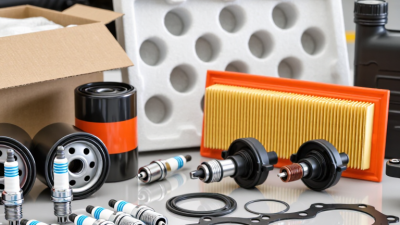
A modern tune-up is less a fixed package than a check against the vehicle’s maintenance schedule. A technician may scan for fault codes, inspect spark plugs and ignition coils, and check the air filter, battery, belts, hoses, and fluid condition. Worn spark plugs may be replaced, but their interval depends on the engine and manufacturer’s guidance. The label is imperfect. A tune-up does not automatically mean replacing every filter or fluid.
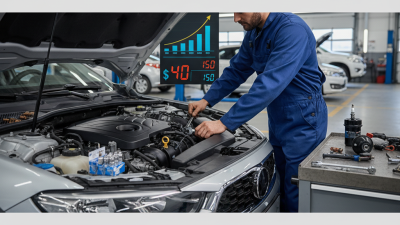
Diagnosis takes time. A scan tool can reveal a misfire, but the code alone may not identify its cause. The technician may need to inspect wiring, test components, or reproduce the symptom. That labor, plus parts and shop fees, can make the bill feel surprisingly large. Ask for the inspection findings and an itemized estimate before approving repairs.
AAA’s 2023 Your Driving Costs report estimated maintenance, repair, and tire expenses at 10.13 cents per mile for a new vehicle. At 15,000 miles, that is about $1,520 annually, but it is a broad ownership estimate—not a tune-up price.
It helps explain why condition and service history matter. A vehicle with a rough idle may need focused diagnosis, while one running smoothly may only need scheduled maintenance. The distinction is easy to miss.
How Vehicle Design Affects Labor Time
A “tune-up” is not one standardized job. On one engine, replacing spark plugs may take less than an hour; on another, technicians must remove an intake plenum or engine cover to reach them. Tight packaging can turn a simple repair into a sequence of careful removals, checks, and reassembly. The plugs may be inexpensive. Access is not.
Vehicle design also changes what a shop must inspect before work begins. Turbocharged engines, hybrid systems, and tightly routed wiring can require extra diagnostic steps or specific safety procedures. MOTOR’s labor-time guides list operations by vehicle and repair, reflecting how access and configuration affect estimated work time. These are planning estimates, not guarantees; corrosion, broken clips, or previous repairs can add time. Sometimes the estimate misses the messiest detail.
Age matters, too. S&P Global Mobility reported that the average age of vehicles on U.S. roads reached 12.6 years in 2024. Older vehicles may have seized fasteners or brittle plastic connectors, making routine access slower. A fair quote should identify the actual operation, explain any access-related labor, and separate parts from labor. Ask what must be removed to reach the component, and whether the quoted time includes reassembly and testing. A short answer is useful. “That’s the book time” alone may not be enough.
Why Does a Car Tune-Up Cost So Much?
How engine layout and access can affect spark-plug replacement labor time
These are illustrative labor-time estimates, not universal service specifications. An inline engine with easy-to-reach plugs may take less time, while a transverse V6 or an engine requiring component removal can take longer. Actual time varies by vehicle design and service procedure; a tune-up may include additional work.
Why Parts and Diagnostic Tools Add to the Bill
A tune-up bill often reflects more than labor. Today’s engines may need specific spark plugs, air filters, or ignition components, and the correct parts depend on the vehicle’s design. Some plugs sit deep beneath covers or intake components, so reaching them can take extra labor. That takes time.
Parts prices also vary with material, fit, and service life. A technician may find that a worn plug has damaged a coil, or that a clogged filter is only one part of a larger problem. Still, not every suggested replacement is automatically necessary. Ask which parts failed inspection and what signs support replacement. A clear explanation matters.
Diagnostic tools add another layer to the cost. A scan tool can read fault codes, but a code rarely identifies a failed part by itself. Technicians may check live sensor readings, test electrical connections, and compare results with service specifications. These steps help prevent guesswork and repeat repairs. They also require training and equipment. It can feel like a lot for a small warning light. Request an itemized estimate that separates parts, diagnostic time, and labor, and ask whether the tests confirmed a fault or only pointed toward one.
Which Conditions Can Raise Tune-Up Costs
Which Conditions Can Raise Tune-Up Costs
A tune-up can become expensive when a basic service uncovers worn or failing parts. A rough idle, weak acceleration, or difficult cold starts may point to spark plugs, ignition coils, or fuel-system problems. Replacing plugs can cost more when they sit beneath intake components and require extra labor. Older vehicles may also need several overdue items at once. That small service list can grow quickly.
The American Automobile Association’s 2024 Your Driving Costs study estimated average annual maintenance, repair, and tire costs of $1,186 for a new vehicle. This is not a tune-up price; it shows how routine upkeep adds up across a year. Actual bills depend on vehicle design, local labor rates, and the work a mechanic confirms. Diagnostic testing may add cost, especially when a warning light has multiple possible causes. I’ll admit that “tune-up” is a fuzzy term. Shops may use it for different services, so compare itemized estimates, not just the label.
Tips: Ask which parts need replacement now and which can wait. Request labor and parts as separate line items. Bring service records, and describe specific symptoms, such as a shake at idle or a clicking sound on startup. A second estimate can help when repairs are extensive.
How to Assess a Tune-Up Estimate
A tune-up is not a fixed package, so compare the estimate with your car’s maintenance schedule and current condition. Ask the shop to list each part, labor charge, inspection, and diagnostic test. “Tune-up” can mean spark plugs and an air filter on one car, but a basic inspection on another. The owner’s manual helps clarify what is actually due.
Look for specific details. A quote should name the parts and explain why replacement is recommended. If the technician found worn spark plugs, ask to see them or request the measured condition. Diagnostic time may be reasonable when a warning light or rough idle needs testing, but ask what the test covers and whether that fee is included in the repair. Small charges add up.
Compare labor hours, not just the final total. A higher estimate may include difficult access or more extensive work, while a lower one may leave out needed items. Ask which repairs are urgent and which can wait. You can request an itemized estimate before approving work. I’ve found that “it needs a tune-up” is too vague to judge; still, a clear explanation makes the decision easier. If answers remain unclear, pause and get another estimate using the same list of proposed services.