Auto Repair Shop In Plainfield, IL

Car trouble rarely arrives at a convenient time. A warning light appears on the commute, a tire loses pressure overnight, or the engine makes a new clicking sound. In those moments, calm observation can save time and prevent a small issue from becoming a larger repair. This guide to Top 10 Auto Repair Help Tips Every Car Owner Needs offers practical steps for handling common problems and deciding when professional service is the safer choice.
Start with the basics. Note when a symptom began, whether it changes with speed, and what warning lights appear. Check your owner’s manual before topping up fluids or attempting a simple inspection; the wrong product or procedure can cause damage. A photo of a dashboard warning or a short written description can help a technician understand what happened. Small details matter.
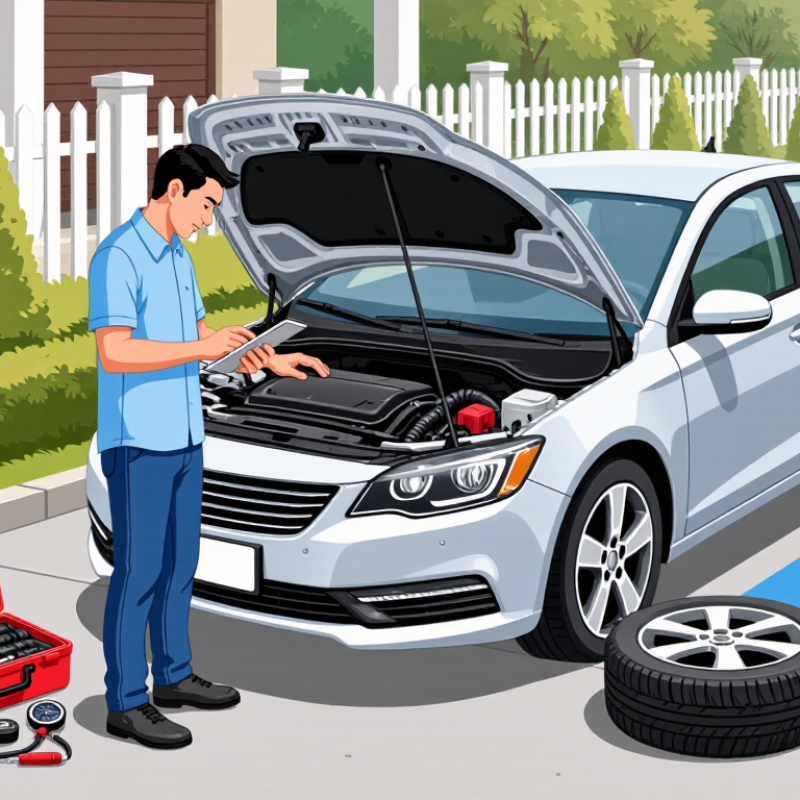
Still, not every repair belongs in the driveway. Work around hot engines, moving parts, or raised vehicles can be dangerous without proper training and equipment. Stop if you smell fuel, see smoke, or feel unsure. That is a sensible decision, not a failure. It is easy to assume a familiar noise is harmless, but guesses can be wrong. Reliable auto repair help means knowing what you can safely check, keeping useful maintenance records, and asking a qualified mechanic clear questions about the diagnosis, estimate, and recommended work. These tips are a starting point, not a substitute for your vehicle’s manual or professional advice when safety is at stake.
Top 10 Auto Repair Help Tips Every Car Owner Needs
Recognize Warning Signs and Make the Vehicle Safe
A red oil-pressure or brake warning deserves prompt attention. If it appears while driving, ease off the accelerator and stop somewhere safe. A temperature gauge climbing toward red is another reason to pull over. Switch off the engine and let it cool; never open a hot radiator cap. A flashing engine light, burning smell, smoke, or new grinding noise also calls for caution. Don’t diagnose by sound alone. Even careful drivers can miss a change at first.
Tips: Turn on your hazard lights after stopping. Set the parking brake and keep clear of moving traffic. Don’t crawl beneath a vehicle supported only by a jack. If smoke or flames appear, leave the vehicle and move well away; call emergency services from a safe place.
Pay attention to changes in braking, steering, and tire feel. A soft brake pedal, strong vibration, or sudden pull to one side can signal a safety problem. Avoid continuing a trip just to reach a familiar repair shop. If the car feels unsafe, arrange roadside help instead. A quick visual check may help, but it cannot confirm what is wrong. I sometimes wish every warning came with a clear explanation; sadly, they don’t. Keep notes on when a symptom starts, and share those details with a qualified mechanic.
| Warning Sign | What It May Indicate | Make the Vehicle Safe | Next Repair Step |
|---|---|---|---|
| Oil-pressure warning light stays on while the engine is running | Oil pressure may be too low to protect moving engine parts. | Pull over as soon as it is safe, switch off the engine, and do not continue driving. | Check the owner’s manual and arrange professional inspection or towing. Do not rely on topping up oil as a fix for a persistent warning. |
| Engine temperature gauge enters the hot zone, or a temperature warning appears | The engine may be overheating because of a cooling-system problem. | Stop in a safe place and turn off the engine. Never remove a radiator or coolant cap while the system is hot. | Let the engine cool completely and seek qualified help if the warning returns, coolant is leaking, or steam is visible. |
| Brake warning light remains on, the pedal feels unusually soft, or braking distance increases | A brake-system fault, low brake fluid, or another issue may be affecting braking. | Reduce speed carefully and stop somewhere safe. Do not continue if braking feels impaired. | Arrange towing or prompt professional inspection; do not assume the parking brake is the only cause. |
| Check-engine light flashes while driving | A severe engine misfire may be occurring and can damage emissions-system components. | Ease off the accelerator, avoid heavy loads, and pull over safely if the flashing continues or the engine runs roughly. | Have the vehicle diagnosed promptly. Stop driving if there is shaking, loss of power, smoke, or unusual heat. |
| Tire loses pressure rapidly, bulges, or suffers a blowout | The tire may be damaged or unable to maintain safe pressure. | For a blowout, hold the steering wheel firmly, ease off the accelerator, avoid abrupt braking, and move to a safe stopping place. | Do not drive on a flat or visibly damaged tire. Use a suitable spare only as directed in the owner’s manual, or request roadside assistance. |
| Strong fuel odor, visible fuel leak, or fuel dripping beneath the vehicle | Fuel may be leaking, creating a fire risk. | Stop safely, switch off the engine, keep away from flames and sparks, and move people away from the vehicle. | Do not restart or drive the vehicle. Request emergency or roadside assistance from a safe distance. |
| Smoke, burning smell, or electrical burning odor | An overheated component, fluid contacting a hot surface, or an electrical fault may be present. | Pull over safely, switch off the engine, and leave the vehicle if smoke or fire is present. Do not open the hood if flames are visible. | Move to a safe location and call emergency services if there is a fire. Otherwise, arrange inspection before driving again. |
| Exhaust fumes enter the cabin, or occupants develop headache, dizziness, or nausea | Exhaust may be entering the passenger compartment; carbon monoxide cannot be reliably detected by smell. | Open the windows, stop in a safe place, and get everyone into fresh air immediately. | Do not continue driving the vehicle. Seek medical help for symptoms and have the exhaust system inspected. |
| Battery warning light appears while the engine is running, or electrical systems begin failing | The charging system may not be maintaining the battery’s charge. | Turn off nonessential electrical accessories and head to a safe stopping place; the vehicle may stall when electrical power runs low. | Arrange prompt testing of the charging system and battery. Avoid switching the engine off in an unsafe location. |
| New grinding, knocking, or loud clunking noise—especially with vibration or steering changes | A brake, wheel, suspension, or engine-related problem may need attention. | Slow down smoothly and stop safely if the noise is severe, the vehicle pulls to one side, or control feels affected. | Have the source inspected promptly. Do not crawl under a vehicle supported only by a jack. |
Safety reminder: Warning lights and symptoms can have multiple causes. Follow the owner’s manual, choose a safe place to stop, and use professional assistance when the vehicle may be unsafe to drive.