Auto Repair Shop In Plainfield, IL

A dashboard warning light, slow engine crank, soft tire, or new brake squeal can turn an ordinary drive into a stressful one. Small clues matter. This guide, “10 Auto Repair Help Tips for Common Car Problems,” explains what drivers can check safely and when a qualified technician should take over. The goal is not to replace a professional diagnosis. It is to help you describe symptoms clearly, avoid preventable damage, and make informed repair decisions.
Repair costs deserve attention, too. AAA’s 2024 Your Driving Costs report estimated the average annual cost of owning and operating a new vehicle at $12,297. That figure covers more than repairs, but it shows how quickly everyday vehicle expenses add up. Timely checks—such as monitoring tire pressure, battery behavior, fluid levels, and dashboard warnings—can reveal problems before they become harder to manage. Still, a checklist cannot diagnose every fault. That distinction matters. A flashing warning light, overheating engine, burning smell, or sudden loss of braking calls for a safe stop and professional assistance, not guesswork. The tips ahead offer practical starting points, while acknowledging that some problems are easy to miss, even for careful drivers.
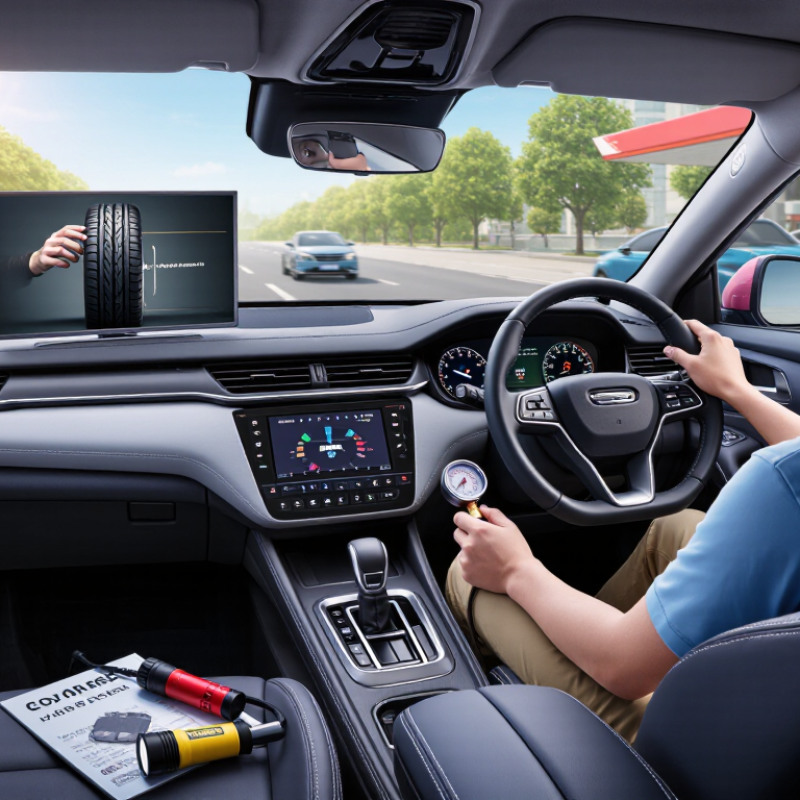
A warning light is a message, not decoration. A steady check-engine light can point to anything from a loose fuel cap to an emissions or engine fault; a flashing light, rough running, or sudden power loss needs prompt attention. Notice when the symptom appears: during cold starts, braking, or highway speeds. That detail helps a technician narrow the cause. A burning smell, steam, or rising temperature gauge is more urgent. Pull over safely and arrange an inspection rather than guessing.
Listen and feel, too. A high-pitched squeal while braking may signal worn pads, while grinding can mean metal is contacting metal. New vibration through the steering wheel may come from a tire, wheel, or suspension problem. Check tire pressure when the tires are cool, and look for bulges or uneven tread. The National Highway Traffic Safety Administration recommends checking tire pressure monthly; a visual glance alone can miss underinflation. Small clues matter.
Tips: Write down the sound, smell, warning light, and timing before calling a repair shop. Keep a photo of the dashboard if a light disappears. AAA’s 2017 survey found about one in three U.S. drivers could not cover a $500 unexpected repair without borrowing or taking on debt. Early checks can prevent a minor issue from becoming a costly surprise. I still sometimes dismiss a faint rattle; that is not a good diagnostic method.
| Common Problem | Warning Signs | Possible Causes | Safe First Checks | Recommended Action | Urgency |
|---|---|---|---|---|---|
| Engine overheating | Temperature gauge enters the red zone, steam appears, or a temperature warning light comes on. | Low coolant, a leak, a failed cooling fan, or another cooling-system fault. | Pull over safely, switch off the engine, and let it cool. Do not open a hot radiator or coolant cap. | Arrange an inspection. If the temperature remains high or steam is present, do not continue driving. | Stop safely; prompt attention |
| Low engine oil pressure | Oil-pressure warning light stays on or flickers while the engine is running; unusual engine noise may occur. | Low oil level, an oil leak, or an oil-pump or lubrication problem. | Stop the engine on level ground and allow it to cool before checking the dipstick, if the vehicle has one. | Do not drive with the oil-pressure warning illuminated. Check the owner’s manual and seek professional help. | Stop engine immediately |
| Brake trouble | Grinding or squealing, a soft or sinking pedal, pulling while braking, or a brake warning light. | Worn brake components, low brake fluid, a leak, or a braking-system fault. | Check the parking brake is fully released. Do not inspect or touch hot brake parts. | If braking feels reduced, the pedal changes, or a warning light remains on, stop in a safe place and arrange assistance. | High; do not drive if braking is impaired |
| Flat or underinflated tire | Tire-pressure warning, visible loss of air, a bulge, or the vehicle pulling or vibrating. | A puncture, air leak, damaged tire, or temperature-related pressure change. | Park away from traffic and visually inspect the tires. Check pressure when tires are cool using the vehicle’s specified pressure. | Use a spare only as directed in the owner’s manual, or call roadside assistance. Do not drive on a visibly flat or damaged tire. | Address before driving further |
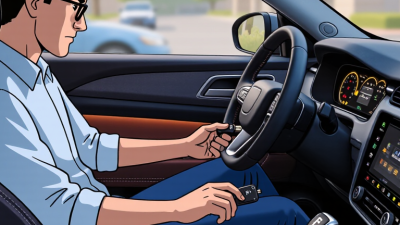
| Battery or starting problem | Slow cranking, clicking when starting, dim lights, or a battery warning light while driving. | A discharged or worn battery, loose or corroded connections, or a charging-system fault. | Turn off accessories and look for obvious battery damage. Avoid touching terminals or attempting a jump-start unless you can follow the manual safely. | Have the battery and charging system tested. Follow the vehicle manual for any jump-start procedure. | Prompt check; urgent if the vehicle stalls |
| Check-engine warning | The check-engine light is illuminated; a flashing light may accompany rough running or loss of power. | Many possible engine or emissions-system faults; the light alone does not identify the cause. | Notice whether the light is steady or flashing and check for changes in noise, power, or temperature. | A steady light generally needs diagnosis soon. If it flashes or the car runs badly, reduce load, stop safely, and seek assistance. | Flashing: stop safely and seek help |
| Coolant leak | A puddle under the vehicle, a sweet odor, frequent need to add coolant, or rising engine temperature. | A leaking hose, radiator, water pump, or other cooling-system component. | Look for fluid only after parking safely. Never remove a coolant cap while the system is hot. | Have the leak inspected. If the engine overheats, stop driving and let it cool before arranging help. | Prompt attention; stop if overheating |
| Steering difficulty | Heavy steering, unusual noise while turning, vibration, or the vehicle drifting to one side. | A tire-pressure issue, alignment problem, or fault in the steering or suspension system. | Check tire condition and pressure when safe. Note whether the symptom occurs constantly or only while turning. | Arrange an inspection. If steering becomes difficult to control, pull over safely and do not continue driving. | Urgent if control is affected |
| Unusual exhaust smoke | Persistent blue, white, or black smoke, a strong exhaust odor, or smoke entering the cabin. | Possible oil burning, coolant entering the engine, fuel-system issues, or an exhaust leak. | Observe the smoke from a safe distance; avoid breathing exhaust fumes. | Have persistent smoke diagnosed. If fumes enter the cabin, stop, exit to fresh air, and seek assistance. | Stop if fumes enter the cabin |
| Unusual vibration or noise | New knocking, grinding, clunking, or vibration that changes with speed, braking, or turning. | Possible tire, wheel, brake, suspension, or engine-related issue. | Reduce speed and note when the sound or vibration occurs. Check for visible tire damage after parking safely. | Arrange an inspection. Stop driving if the noise is severe, a wheel appears damaged, or control is affected. | Prompt check; stop if severe |