How to Fix a Car That Will Not Start
A car that will not start can turn an ordinary morning into a stressful guessing game. The key turns, the dashboard lights glow, but the engine stays silent—or only clicks. Those sounds matter. A single click may point to a weak battery connection or starter problem, while rapid clicking often suggests the battery lacks enough power. If the engine cranks but does not catch, fuel delivery or ignition may deserve attention. These are clues, not proof. No guess is certain.
This guide explains practical checks to help you fix cars that refuse to start, beginning with simple observations before moving toward more involved causes. Notice whether the lights are dim, check that the gear selector is in Park or Neutral, and look for loose or corroded battery terminals. Avoid repeated, prolonged attempts to start the engine; they can drain the battery further. Keep clear of moving parts, and do not touch damaged wiring or a leaking battery. Small details help. So does patience.
A checklist can narrow the possibilities, but it cannot diagnose every vehicle or replace a qualified mechanic. That is worth remembering, especially when a warning light appears, the car makes an unfamiliar noise, or basic checks change nothing. Some problems are less obvious than they seem. If you feel unsure, stop and arrange professional help rather than risking damage or injury.
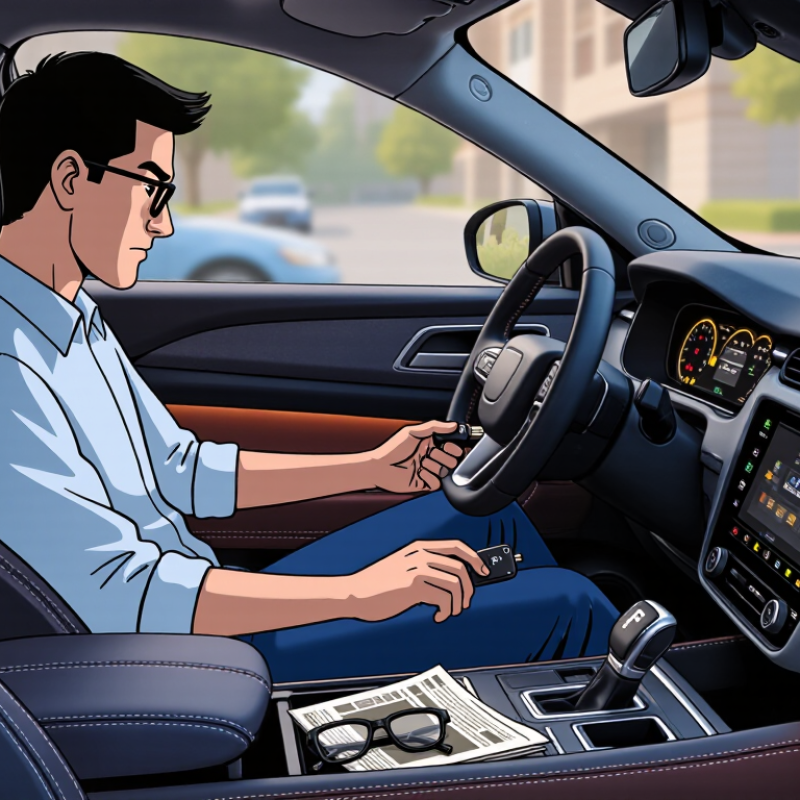
Identify the Symptoms and Gather Basic Information
Before turning a wrench, note exactly what happens when you try to start the car.
Does the engine crank slowly, click once, click repeatedly, or stay silent? Do dashboard lights dim? A slow crank with fading lights can point toward a weak battery, while a single click may also involve a starter or electrical connection. These clues narrow the search; they do not prove a cause. Listen carefully. I once treated a rapid clicking sound as a battery diagnosis, then found a loose terminal. The symptom was useful, but my certainty was not.
Record the vehicle’s age, mileage, recent repairs, and how long it has been parked.
Note whether the issue began after cold weather, a short trip, or lights being left on. AAA’s battery guidance puts typical car-battery life at about three to five years, so the installation date is worth checking; age alone still cannot confirm failure. Look for dim lights, corrosion, or a loose-looking cable without touching damaged wiring. Also check the fuel gauge and whether warning lights appear.
If you smell fuel, see smoke, or hear grinding, stop trying to start it and arrange professional inspection.
Small details matter. Write them down before calling a mechanic: “one click, lights bright, battery four years old” is more useful than “it won’t start.”
Check the Battery, Terminals, and Electrical Connections
When the engine will not turn over, begin with the battery and its connections. ADAC’s 2024 breakdown statistics found that 44.1% of roadside failures involved the starter battery. That makes a battery check a sensible first step, though it does not prove the battery is always at fault.
Look for dim dashboard lights, a rapid clicking sound, or no response when turning the key. Then switch off the ignition and inspect the battery case for cracks or bulging. Check both terminal clamps: they should sit firmly and should not rotate by hand. White or bluish buildup can interfere with current. Wear eye protection, keep metal tools away from both terminals, and do not touch a damaged battery. Start with the basics.
Follow the visible cables from the battery to their connection points. Look for loose fasteners, frayed insulation, or corrosion, especially where the negative cable meets the body. A clean-looking clamp can still be loose; appearance alone is not proof. If you have a multimeter, a fully charged 12-volt battery usually reads about 12.6 volts with the engine off, but a voltage reading cannot confirm its condition under load. If connections are secure and the car still will not start, a battery or charging-system test can narrow the cause. I would not keep cranking; it can drain a weak battery further.
Inspect the Fuel Supply and Ignition System
When the engine cranks but will not catch, check the fuel supply before replacing parts.
Confirm the tank has fuel; a faulty gauge can be misleading. Then look for a wet spot or strong fuel smell near the car.
Stop if you find either.
Do not open fuel lines or test for leaks with a flame.
Listen near the rear of the car when the ignition is switched on. Some vehicles make a brief pump hum, but silence alone does not prove the pump has failed. Check the relevant fuse using the vehicle manual.
Next, inspect ignition components only with the engine off and cool. Look for loose coil connectors, cracked insulation, or a plug that is unusually wet or dirty.
Small details matter.
A spark tester can help confirm spark, but ignition voltage can be dangerous; follow its instructions or leave the test to a mechanic.
I once assumed a no-start meant an empty tank, and the actual clue was a loose connector. That was an easy mistake. If fuel and spark both seem present, a diagnostic scan can reveal faults that visual checks miss.
Assess the Starter and Related Components
How to Fix a Car That Will Not Start: Assess the Starter and Related Components
When a car will not start, listen before replacing parts. A single click, rapid clicking, or silence can point to different faults. A weak battery may not supply enough current to turn the starter motor. ADAC’s 2023 breakdown statistics attributed 44.1% of recorded roadside breakdowns to starter-battery faults. That figure concerns batteries, not failed starter motors. It is a useful reminder to test the whole starting circuit.
Check that the vehicle is in Park or Neutral, then inspect the battery terminals for looseness or white corrosion. A technician can test battery voltage under load and measure voltage drop across the positive cable and ground connection. If power reaches the starter but its solenoid only clicks, the motor or solenoid may be faulty. If there is no click, inspect the fuse, relay, ignition switch, and safety interlock. It is easy to blame the starter too quickly. Even a clean click can mislead; I would recheck the grounds before condemning the motor.
Tips: Keep the parking brake set and switch off the ignition before inspecting connections. Avoid bridging terminals with tools. Note whether the dashboard lights dim during a start attempt; that clue can help a technician narrow the diagnosis.
Decide When to Seek Professional Diagnosis
When your car will not start, note what happens before calling for help. A single click, rapid clicking, dim dashboard lights, or a silent turn of the key point to different faults. A 2024 breakdown-statistics report from a major German motoring club recorded roughly 3.6 million roadside failures; starter batteries caused 44.5%. That makes a weak battery a sensible first suspect, not a confirmed diagnosis. Check whether the headlights look unusually dim, but do not touch damaged cables or repeatedly attempt to start the engine. Small clues matter.
Seek professional diagnosis if the engine cranks normally but will not fire, warning lights remain on, or a safe jump-start makes no difference. Stop immediately if you smell fuel, see smoke, or notice hot cables. Do not guess. A technician can load-test the battery, check charging voltage, and scan stored fault codes before replacing parts. On a hybrid or electric vehicle, avoid high-voltage components and use a qualified technician. Describe the sound, dashboard messages, and recent symptoms; even an imperfect account helps narrow the checks. If the car starts again, arrange an inspection when the problem repeats, rather than trusting one successful restart.
How to use this guide: The 1–3 scale represents recommended action, not measured failure rates. Start with basic checks for a no-crank condition; seek professional diagnosis if the problem persists or the engine cranks but will not start. If you smell fuel or see smoke, stop and arrange professional help.