Auto Repair Shop In Plainfield, IL

A repair bill rarely begins with a perfect number. It begins with symptoms, inspection time, parts research, and honest communication. That is why reliable auto repair estimates require more than a quick phone quote.
Vehicle ownership costs continue to make accurate planning important. AAA’s 2023 Your Driving Costs study lists maintenance, repair, and tire expenses as a separate ownership category. S&P Global Mobility reported that the average age of vehicles in the United States reached 12.6 years in 2024. Older vehicles often need deeper inspections, especially around suspension components, cooling systems, and electrical connections. Consumer Reports’ 2024 reliability research also shows that repair risk varies by model and powertrain. One estimate cannot fit every vehicle.
A professional estimate should identify the suspected failure, required testing, labor hours, parts quality, taxes, and possible additional damage. Ask whether the shop uses original equipment, aftermarket, or recycled parts. Request photos when hidden damage affects the price. Confirm the diagnostic fee before approving repairs. Small details matter. A loose connector can imitate a failed sensor. A worn belt can hide damage nearby.
These seven tips will help drivers compare auto repair estimates without chasing the cheapest figure. They also encourage better questions, clearer approvals, and fewer surprises at checkout. However, even careful owners can misjudge a repair’s complexity. A neat number can still be wrong. Reliable shops explain uncertainty instead of disguising it. That habit reflects experience, technical competence, and respect for the customer.
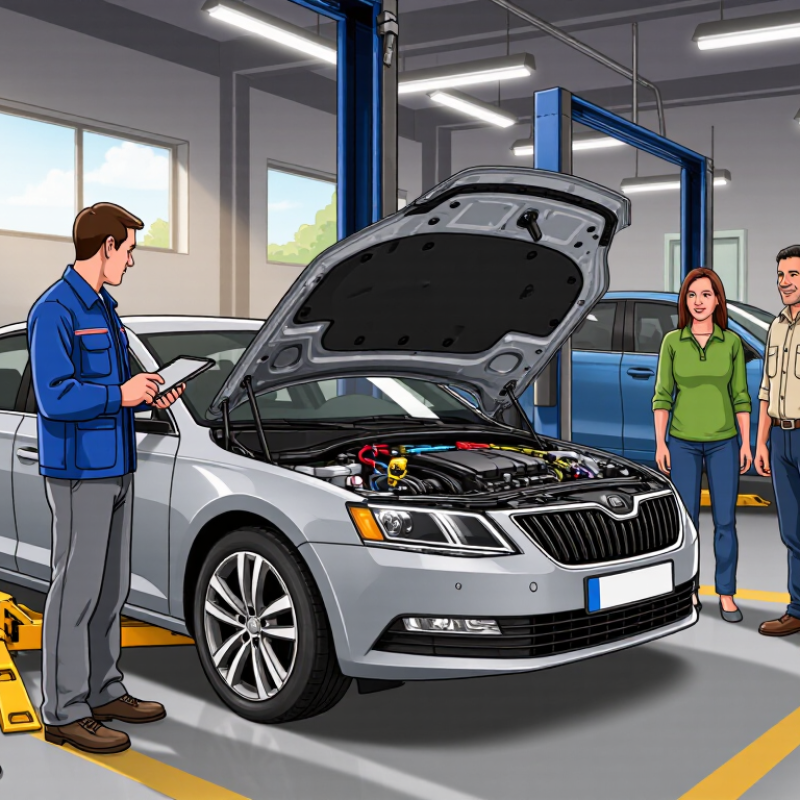
An accurate auto repair estimate begins with a clearly defined repair scope. Share the vehicle identification number, or VIN, before requesting prices. This 17-character code helps confirm the vehicle’s engine, body style, equipment, and production details. Mileage matters too. A vehicle with 42,000 miles may need different maintenance than one with 142,000 miles.
Describe symptoms with practical details. Note when the problem appears, such as during a cold start, sharp turn, highway drive, or heavy rain. Record warning lights, unusual smells, fluid spots, and changes in braking or steering. A short video can help, but it cannot replace an inspection. Be specific, but avoid pretending to diagnose the fault yourself. I have sometimes focused too quickly on one noise and missed a separate problem.
Check recall status using the VIN before approving repairs. Safety-related work may follow different procedures from ordinary maintenance. Ask the repair facility to separate recall-related work, diagnostic charges, parts, labor, taxes, and recommended services. The estimate should explain its assumptions and identify whether further testing is possible. Request the parts type, labor hours, warranty terms, and expiration conditions in writing. A low estimate may simply leave out necessary diagnosis. I still review every line, because even experienced owners can overlook a small fee or an incorrect mileage entry.
| Tip | Information to Provide | Example Vehicle or Repair Data | Why It Improves Estimate Accuracy | What to Confirm Before Approval |
|---|---|---|---|---|
| 1Provide the complete VIN | Give the 17-character Vehicle Identification Number, normally found on the dashboard near the windshield, the driver-side door label, or the vehicle documents. | Example: 17-character VIN supplied exactly as printed, with no missing or transposed characters. | The VIN can identify the vehicle’s model year, engine configuration, body type, restraint system, and production details. These differences can affect parts, labor procedures, software requirements, and repair instructions. | Ask the repair facility to confirm that the VIN decoded to the correct year, engine, transmission, and vehicle configuration before parts are ordered. |
| 2Describe symptoms precisely | Report when the problem occurs, how often it happens, what the vehicle is doing, and whether temperature, speed, braking, turning, or weather affects it. | Example: “A vibration begins near highway speed and becomes stronger during braking; no vibration is felt while parked.” | Specific symptoms help separate inspection, diagnosis, maintenance, and repair work. A clear symptom description can also reduce unnecessary part replacement. | Confirm whether the estimate includes diagnostic time, testing equipment, disassembly, and a written explanation of the confirmed failure. |
| 3Record all warning lights and diagnostic codes | List every illuminated warning light and provide any diagnostic trouble codes obtained from a scan. A code is a starting point for diagnosis, not automatic proof that a particular part has failed. | Example: Check-engine light is illuminated; scan result shows a stored emissions-related code, with no other warning lights present. | Warning-light information helps define the diagnostic scope. It prevents a code from being incorrectly treated as a complete repair diagnosis. | Ask whether the quoted work includes verification testing and clearing or rechecking codes after the repair, where appropriate. |
| 4Include current mileage | Provide the odometer reading and identify whether the vehicle is mainly used for short trips, highway driving, heavy traffic, towing, or severe weather conditions. | Example: 86,400 miles; mostly short-distance city driving; regular stop-and-go traffic. | Mileage and operating conditions help establish maintenance intervals, expected wear, inspection priorities, and whether related components should be checked at the same time. | Request separate line items for the confirmed repair, recommended maintenance, and optional preventive work so the estimate is easy to compare. |
| 5Share service and repair history | Provide invoices, maintenance records, previous diagnostic reports, replaced parts, fluid-service dates, and any recent work performed near the current problem. | Example: Recent battery replacement documented; no record of the most recent brake-fluid service. | Service history reduces duplicated work and helps the technician determine whether a component was recently replaced, adjusted, or affected by another repair. | Check that previously completed work is not included again unless the facility explains why additional work is necessary. |
| 6Check open safety recalls | Use the VIN to check for unresolved safety recalls through the appropriate official vehicle-safety authority or the vehicle manufacturer’s authorized recall system. | Example: VIN search shows one open safety recall; the repair facility is asked to distinguish recall work from customer-paid repairs. | Safety recall repairs may be handled under a separate program and may not belong in a normal customer-paid estimate. Recall eligibility depends on the specific vehicle and recall status. | Confirm whether the recall is open, completed, or not applicable, and ask for a separate written price for any non-recall repair. |
| 7Request a detailed, itemized estimate | Ask for parts, labor hours, labor rate, diagnostic charges, shop supplies, taxes, required fees, warranty terms, and any assumptions or exclusions. | Example: Estimate lists diagnosis, replacement part, labor hours, taxes, and a note stating that additional damage requires prior approval. | An itemized estimate makes quotes comparable and clarifies whether the price is based on a confirmed diagnosis or a preliminary inspection. | Confirm the estimate’s expiration date, parts type, labor warranty, total authorization limit, and the process for approving additional work. |