China Top 10 Mobile Car Technician Suppliers?
Finding a reliable mobile car technician supplier in China requires more than comparing prices or catalog size. This guide introduces ten notable suppliers serving workshops, fleet operators, roadside service teams, and automotive distributors. Their products may include diagnostic scanners, battery testers, inspection cameras, tire service tools, portable lifts, and vehicle programming equipment. Each category solves a different field problem. A dead battery needs speed. An intermittent sensor fault needs precision.
The selection considers manufacturing experience, product quality, technical support, certification practices, customization ability, export history, and after-sales response. Supplier credibility matters when equipment is used beside a busy road or inside a small service van. Clear manuals, stable software updates, replacement parts, and practical training can prevent costly delays. We also look at communication quality, because a fast answer is useful only when it is technically accurate. Some suppliers appear strong online but provide limited evidence of testing or production capacity. That weakness deserves attention.
No ranking is flawless.
Market data changes, and supplier performance can vary by product line. Buyers should request current specifications, sample testing, warranty terms, and references from comparable customers. They should also confirm compatibility with vehicle brands, operating systems, and regional service requirements. This article offers a practical starting point, not a substitute for due diligence. The best mobile car technician supplier is not always the cheapest or the largest. It is the partner that delivers dependable equipment, honest support, and workable solutions when a vehicle cannot reach the workshop.
China’s Mobile Auto-Service Market: 336 Million Vehicles in 2023
China had approximately 336 million vehicles in 2023, creating strong demand for convenient mobile maintenance. Many owners now expect help at home, at work, or beside a quiet roadside.
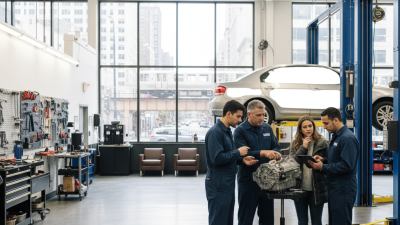
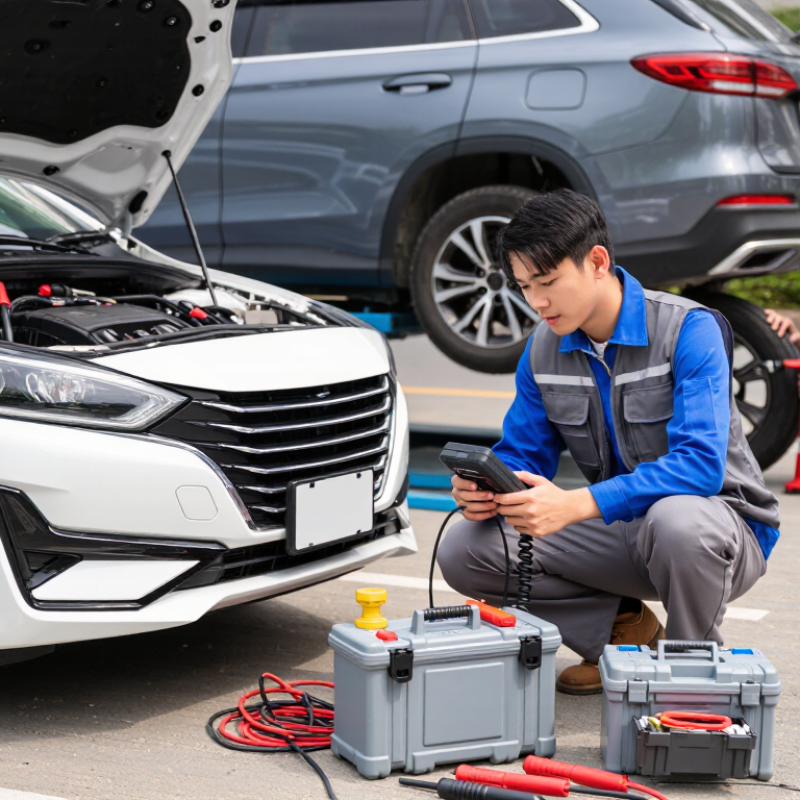
For a top-10 supplier review, service coverage matters more than advertising claims. Reliable suppliers should provide trained technicians, calibrated diagnostic tools, secure lifting equipment, and traceable replacement parts. A technician arriving with a compact scanner and organized tool cases can solve basic faults faster. Clear pricing also reduces disputes. Response time, repair accuracy, warranty handling, and technician availability should be measured across different cities.
The market is not uniform. Dense urban areas may support rapid dispatch, while smaller cities can face longer travel times and limited specialist skills. Vehicle age, model complexity, weather, and traffic also change operating costs. A supplier with many technicians may still deliver uneven service. That weakness deserves attention.
The 336 million-vehicle figure shows market scale, but it does not guarantee equal demand everywhere. Real evaluations should compare completed work orders, repeat-repair rates, customer records, and safety procedures. Some data may be incomplete or self-reported. That is a problem. Independent checks, technician interviews, and sample inspections can reveal more than a polished service brochure. Mobile repair will grow, but dependable execution remains the harder test.
China’s Automobile Fleet Growth: 2019–2023
China’s automobile fleet reached approximately 336 million vehicles in 2023, expanding the potential customer base for mobile vehicle inspection, maintenance, diagnostics, and repair services.
Source: Publicly reported year-end vehicle ownership figures from China’s Ministry of Public Security; automobile fleet, excluding motorcycles.
Top 10 Chinese Mobile Car Technician Suppliers by Service Capability
China Top 10 Mobile Car Technician Suppliers?
Top 10 Chinese Mobile Car Technician Suppliers by Service Capability
The strongest Chinese suppliers compete on field service capability, not only technician numbers. This review ranks ten supplier types by response coverage, diagnostic depth, EV training, parts logistics, and digital scheduling. The China Association of Automobile Manufacturers reported 30.09 million vehicle sales in 2023. That scale creates constant demand for roadside diagnostics, battery checks, tire service, and workshop support. The IEA’s Global EV Outlook 2024 also recorded more than 8 million electric car sales in China during 2023. Mobile teams now need insulation testing, thermal monitoring, and software fault analysis. The leading supplier profiles include nationwide dispatch networks, regional repair fleets, commercial-vehicle specialists, EV diagnostic teams, fleet maintenance providers, smart scheduling platforms, battery-service contractors, emergency roadside units, training-led suppliers, and parts-integrated service operators. Capability varies sharply between provinces.
Tips: Ask for verified response-time records, technician certificates, EV safety procedures, and parts availability near your operating areas. A polished platform means little if a technician arrives without the correct scan tool. Confirm escalation rules before signing.
Deloitte’s 2024 Global Automotive Consumer Study shows that consumers still value reliability and convenient service. This supports mobile maintenance, but convenience can hide weak quality control. Buyers should inspect first-time-fix rates, repeat-call data, insurance coverage, and customer complaint handling. I would not rank every supplier permanently; technician turnover and local subcontracting can change results within months. On-site audits remain necessary, especially for high-voltage work.
EV Readiness: Serving China’s 20.41 Million New-Energy Vehicles
China Top 10 Mobile Car Technician Suppliers?
China’s mobile technician market is entering a demanding EV phase. The Ministry of Public Security reported 20.41 million new-energy vehicles registered by the end of 2023. This fleet needs more than traditional roadside repairs. Technicians now handle battery diagnostics, high-voltage isolation, charging faults, and software-related warnings.
The International Energy Agency reported that China represented about 60% of global electric-car sales in 2023. That scale creates strong demand for mobile service teams with certified training and insulated equipment. The best suppliers should provide real-time dispatch, documented repair procedures, battery safety controls, and transparent parts traceability. China Association of Automobile Manufacturers data also showed continued growth in new-energy vehicle production and sales during 2024. Yet fleet size alone does not prove service quality. A fast response may still hide weak diagnostic skills.
Tips:
Check high-voltage training records before signing a contract. Ask how technicians secure a damaged battery at the roadside. Review average arrival time, first-visit repair rates, and escalation procedures. Request sample service reports with fault codes, photos, and customer approval fields. Small details matter.
A useful top-ten comparison should score coverage, EV competence, technician availability, safety management, pricing clarity, and data protection. Suppliers serving dense cities may perform well but struggle in remote counties. This is an uncomfortable gap. A practical pilot across urban and rural routes can reveal it before a national rollout.
Supplier Comparison: Pricing, Fleet Support, Warranty, and Customer Ratings
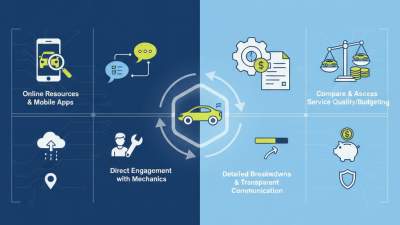
A credible top-ten comparison should measure more than advertised hourly rates. Compare mobile call-out fees, diagnostic charges, labor prices, parts markups, and after-hours surcharges. S&P Global Mobility’s 2024 vehicle-age analysis places the average U.S. light vehicle age above twelve years, increasing demand for convenient field repairs. Pricing should therefore be tested against common jobs, such as battery replacement, brake servicing, and diagnostic scanning. Request identical quotes from every supplier. Small exclusions can change the final invoice.
Fleet support separates a technician from a scalable service partner.
Check dispatch coverage, response-time commitments, technician certification, digital work orders, and maintenance reporting. The U.S. Bureau of Labor Statistics reported roughly 804,000 automotive service technician jobs in 2023, but workforce size does not guarantee consistent field quality. Ask whether one account manager handles escalations. That detail matters during a roadside breakdown. Warranty terms deserve equal scrutiny. Compare labor coverage, parts coverage, claim procedures, and exclusions for electric vehicles. A 30-day labor warranty may look weak beside a 12-month policy, yet longer coverage is useless if claims require complicated evidence. Customer ratings should come from verified, recent fleet users. The 2024 U.S. Customer Service Index Study links satisfaction closely with communication and repair quality, not speed alone. Ratings can mislead. I would score documented outcomes above star averages, while admitting that public reviews rarely reveal repeat-failure rates.