What Are the Best Auto Repair Estimates for 2026?
Choosing the best auto repair estimates for 2026 requires more than comparing the lowest number. A reliable estimate explains the problem, the required work, and the expected result. It should separate parts, labor, diagnostic fees, taxes, and shop charges. Clear details matter when a dashboard warning appears beside a mechanic’s inspection light.
Repair prices can vary by vehicle age, location, parts quality, and technician expertise. A brake job for a compact sedan may differ sharply from one for a luxury SUV. OEM parts often cost more, while reputable aftermarket options may offer practical value. Labor rates may also rise in busy metropolitan areas. These differences deserve explanation, not vague promises.
This guide examines how professionals build accurate estimates for common repairs in 2026. It considers digital inspections, manufacturer service schedules, warranty coverage, and written approval practices. It also explains what drivers should ask before authorizing work. A strong estimate includes diagnostic evidence, not only a final price. Photos, fault codes, worn components, and measured fluid levels can make the recommendation easier to trust.
Still, no estimate is perfect. Hidden corrosion, seized bolts, or additional damage can change the total. Online calculators can mislead when they ignore local labor rates. I have found that the cheapest quote is not always the safest choice. A thoughtful comparison looks at credentials, parts warranties, repair timelines, and communication quality. Small details often reveal large differences. This overview aims to support informed decisions without treating any estimate as an absolute guarantee.
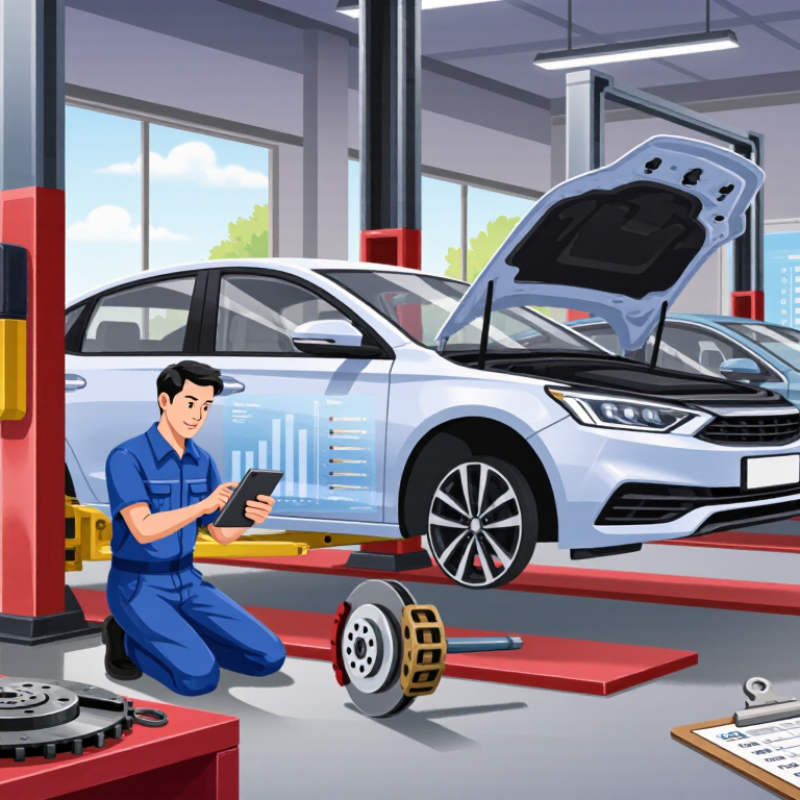
Understanding Auto Repair Estimates and Their Purpose
An auto repair estimate is more than a price on paper. It explains what the vehicle may need and why the work is recommended. A reliable estimate usually lists labor hours, parts, shop supplies, taxes, and diagnostic charges. It should also separate confirmed problems from possible causes.
In my experience, clear conversations prevent expensive misunderstandings. Ask the technician to show damaged parts or explain test results in plain language. A worn brake pad may be easy to confirm, while an electrical fault can require deeper testing. The estimate should state whether the diagnosis is complete or still developing. That distinction matters.
A written estimate also helps compare repair options. Ask about new, remanufactured, or used parts when appropriate. Check the expected part quality, warranty terms, and labor coverage. Do not compare only the final number. A cheaper estimate may omit necessary testing or include fewer services. I once focused too heavily on the lowest price, and that shortcut created another visit. That was poor judgment.
Estimates are not guarantees. Hidden corrosion, seized fasteners, or additional damage can change the final cost. A trustworthy repair facility should request approval before exceeding the agreed amount. Keep every estimate, invoice, and diagnostic note. These records create a practical history for future decisions. Still, even careful estimates can be imperfect. Ask questions before authorizing work.
Key Factors That Shape Repair Costs in 2026
What Are the Best Auto Repair Estimates for 2026?
Key Factors That Shape Repair Costs in 2026
A reliable repair estimate should explain more than a final dollar amount. In 2026, labor rates may vary sharply between cities, while diagnostic time can add unexpected costs. Vehicle age, mileage, damage severity, and required calibration also influence the total. Modern safety sensors often need precise adjustment after collision repairs. That step is easy to overlook.
Parts create another major difference. New original-equipment parts usually cost more than certified aftermarket or recycled alternatives. However, cheaper parts may affect fit, durability, or warranty coverage. A professional estimate should list parts, labor hours, shop fees, taxes, and recommended repairs separately. Ask whether the price includes testing after installation. Small omissions can become expensive surprises.
Tips: Request two or three written estimates. Check each labor rate and parts description. Ask about warranties and possible extra charges. Keep photos of the damage and previous invoices. Do not approve vague wording such as “miscellaneous repairs.” I once underestimated diagnostic complexity in a simple-looking electrical fault. That mistake reinforced an important lesson: the lowest estimate is not always the most dependable. A clear explanation matters more than a polished number.
What Are the Best Auto Repair Estimates for 2026? - Key Factors That Shape Repair Costs in 2026
Indicative U.S. repair-planning ranges for common passenger vehicles in 2026
| Repair or Service |
Typical Labor Time |
Parts Estimate |
Labor Estimate |
Estimated 2026 Total |
Main Cost Factors |
| Computer Diagnostic |
0.5–1.5 hours |
$0–$50 |
$80–$180 |
$100–$250 |
Diagnostic equipment, testing time, and vehicle system complexity |
| Engine Oil and Filter Change |
0.3–0.7 hours |
$30–$90 |
$15–$60 |
$45–$150 |
Oil capacity, synthetic oil requirement, filter type, and service interval |
| Front Brake Pads and Rotors |
2–4 hours |
$180–$500 |
$180–$500 |
$360–$1,000 |
Vehicle weight, brake design, rotor condition, and parts quality |
| 12-Volt Battery Replacement |
0.3–1.0 hour |
$120–$300 |
$30–$120 |
$150–$420 |
Battery size, cold-cranking rating, battery location, and electronic registration |
| Wheel Alignment |
0.8–1.5 hours |
$0–$80 |
$100–$220 |
$100–$300 |
Two-wheel versus four-wheel alignment, seized adjusters, and suspension damage |
| Alternator Replacement |
2–4 hours |
$300–$850 |
$200–$600 |
$500–$1,450 |
Engine-bay access, charging-system design, and new versus remanufactured parts |
| Air-Conditioning Leak Repair and Recharge |
1–6 hours |
$80–$900 |
$120–$900 |
$200–$1,800 |
Refrigerant type, leak location, compressor condition, and access to components |
| Strut or Shock Absorber Pair |
3–6 hours |
$400–$1,200 |
$300–$900 |
$700–$2,100 |
Suspension layout, rust, alignment requirements, and replacement of related mounts |
| Timing Belt Service |
5–9 hours |
$350–$1,000 |
$600–$1,350 |
$950–$2,350 |
Engine layout, water-pump replacement, tensioners, and access labor |
| Transmission Replacement or Major Repair |
8–18 hours |
$2,500–$6,500 |
$1,000–$3,600 |
$3,500–$10,100 |
Transmission type, remanufactured versus new unit, programming, and warranty coverage |
|
Estimate assumptions: Prices are planning ranges in U.S. dollars for common passenger vehicles and generally include parts and labor but exclude sales tax, shop fees, towing, and unexpected damage. Labor rates commonly vary by region, facility type, technician availability, and repair complexity. Dealer-level labor, luxury vehicles, specialty systems, severe rust, and electric-vehicle high-voltage repairs may exceed these ranges.
|
Comparing Labor, Parts, and Service Fees
What Are the Best Auto Repair Estimates for 2026?
Comparing Labor, Parts, and Service Fees
In 2026, a useful auto repair estimate should separate labor, parts, and service fees. That layout makes a $1,200 brake or suspension quote easier to question. Labor commonly ranges from $100 to $180 per hour, depending on region and technician expertise. Ask whether the estimate uses fixed job time or actual hours. Small wording differences matter.
Parts deserve equal attention. An estimate should identify new, remanufactured, or used components, plus warranty length. Comparable parts may cost 20% to 40% less, but quality and coverage can differ. Request the part number and price before approving work. Service fees can include diagnostics, shop supplies, disposal, programming, or inspection charges. These items may be legitimate, yet they should not appear as vague extras.
From reviewing repair invoices, I have learned that the cheapest estimate is not always the safest choice. Still, expensive does not automatically mean thorough. My early estimates sometimes missed diagnostic time, creating an awkward revision later. A reliable quote explains what is known, what is assumed, and what could change after disassembly. Photos, measured findings, and written approval add useful accountability. Compare the total, warranty, labor hours, and payment terms—not just the headline price.
Evaluating Estimate Accuracy and Shop Reliability
The best auto repair estimates for 2026 should explain more than a final price.
They should show diagnostic findings, labor hours, part quality, shop fees, and expected completion time. A trustworthy estimate connects each repair to a visible symptom or test result. For example, a technician might document a weak battery reading, uneven brake wear, or a coolant leak near a hose connection. This detail makes the recommendation easier to question and verify.
Shop reliability matters just as much as estimate accuracy. Look for clear written communication, consistent inspection records, and technicians willing to explain uncertain findings. A dependable shop separates urgent repairs from items that can safely wait. It should also explain whether the price may change after disassembly. That honesty builds confidence, although estimates are not always perfect. I have seen small hidden issues turn a simple repair into a larger job. Good shops admit this possibility instead of promising false precision.
Tips:
Compare two detailed estimates, not two totals. Ask which tests support the diagnosis. Confirm parts, labor rates, warranty terms, and possible extra charges. Check whether the shop photographs damaged components. Read recent customer feedback for patterns, not isolated complaints. Keep every message and invoice. A polished estimate can still miss a problem. Your questions help reveal how carefully the shop works.
Choosing the Best Auto Repair Estimate for Your Vehicle
Choosing the Best Auto Repair Estimate for Your Vehicle
A good repair estimate should explain the problem, not merely list a price. Request a written breakdown of diagnostic time, labor hours, parts, shop fees, and taxes. Ask whether the quote covers the complete repair or only the most obvious fault. This distinction matters when a dashboard warning hides several related issues.
Look for evidence behind the recommendation. A qualified technician should describe the inspection, show damaged components when practical, and explain urgent versus deferrable work. For example, a brake estimate should identify pad thickness, rotor condition, and measured brake fluid concerns. Vague language deserves a second opinion. So does unusual pressure.
Compare estimates by repair scope, warranty terms, and parts quality, rather than choosing the lowest number. A cheaper quote may exclude testing, hardware, calibration, or post-repair road checks. Confirm whether the technician will contact you before exceeding the approved amount. Keep the estimate, photographs, and final invoice together for future maintenance records.
Even careful estimates have limits. Hidden corrosion, seized fasteners, or previous poor repairs can change the final cost after disassembly. I would question any estimate that promises certainty without inspecting the vehicle. A realistic technician states assumptions clearly and records unexpected findings. That honesty may feel inconvenient, but it protects both your budget and your vehicle.
What Are the Best Auto Repair Estimates for 2026?
Choosing the best auto repair estimate starts with comparing typical labor and parts costs for the specific service. The chart shows practical U.S. planning estimates in 2026 U.S. dollars; actual prices vary by vehicle, location, parts quality, and repair complexity.
Use these figures as a comparison baseline. A reliable estimate should clearly separate parts, labor, taxes, shop fees, and any recommended but nonessential work.