Auto Repair Shop In Plainfield, IL

Why Is My Heater Core Not Working? The answer may begin with a familiar winter scene: the engine is warm, but the vents push cold air across the dashboard. A sweet coolant smell, fogged windows, or damp carpet can add another clue. These symptoms may point to a heater core, but they do not prove it is the cause. Low coolant, trapped air, a stuck thermostat, or a faulty blend door can create similar problems.
Automotive educator and author James D. Halderman is known for his diagnostic approach. No verified verbatim quotation from him was provided, so this guide will not invent one. A practical editorial reminder captures the point: “Test the system before replacing parts.” Small details matter. Note whether the temperature gauge rises normally, whether both heater hoses feel warm, and whether coolant levels keep dropping. Never open a hot cooling system; pressurized coolant can cause serious burns.
This guide explains how the heater core works, what common symptoms mean, and which checks help narrow the cause. It also covers when a blockage may be repairable and when replacement is more realistic. Diagnosis is not always tidy. A heater that works intermittently can mislead even experienced owners, and one symptom rarely tells the whole story. Careful checks help avoid replacing a sound part—and help identify problems that need a qualified technician.
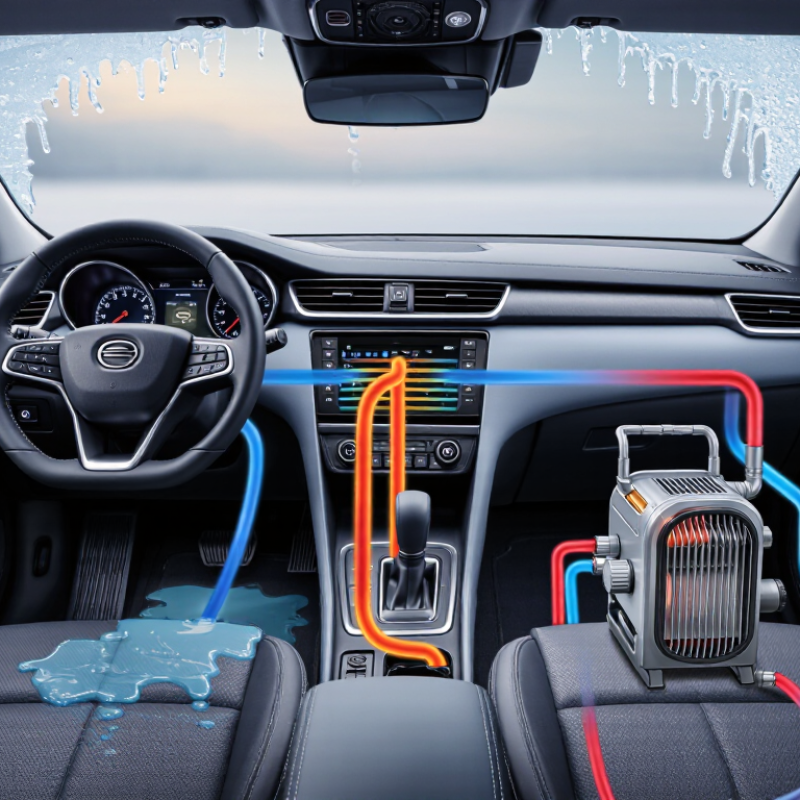
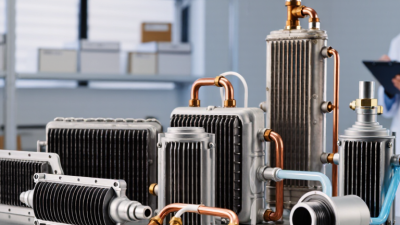
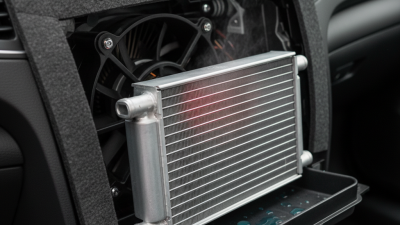
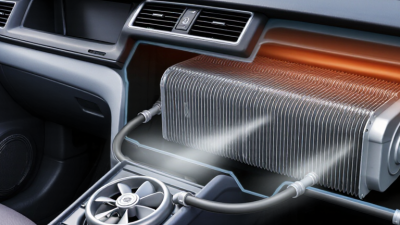
A heater core is a small heat exchanger tucked behind the dashboard, much like a narrow radiator. Once the engine warms, the water pump circulates hot coolant through its thin tubes. A cabin blower pushes air across the core’s metal fins, and that warmed air travels through the vents. That’s the basic loop.
Coolant temperature matters. Typical engines send coolant through the heater core at roughly 180–220°F (82–104°C), though operating temperatures vary by vehicle. ASTM International’s D3306 specification covers glycol-based engine coolant; a common 50/50 ethylene-glycol mixture protects to about −34°F (−37°C). The exact protection depends on the coolant and mixture, so check the vehicle’s service information. Small details matter.
A blend door directs air across the core or around it to adjust cabin temperature. If the core is hot but the vents blow cold, a stuck blend door or weak coolant flow may be responsible. A sweet smell, fogged glass, or damp carpet can suggest a leak; these clues are not proof by themselves. I’d check coolant level only when the engine is fully cool. Never open a hot system. A temperature difference between the two heater hoses can help a technician assess flow, but it does not identify every fault.
| System or Symptom | How It Works | Possible Cause | Useful Checks |
|---|---|---|---|
| Heater core operation | Hot engine coolant flows through a small radiator-like core inside the HVAC housing. The blower moves cabin air across the core, warming the air before it reaches the vents. | Heat depends on adequate coolant flow, a warm engine, and the HVAC system directing air across the core. | After the engine reaches operating temperature, check whether the cabin air warms up and whether the temperature control changes the vent-air temperature. |
| No heat from the vents | The heater core can only provide heat when warm coolant reaches it and the HVAC air path is correctly positioned. | Low coolant, trapped air, restricted coolant flow, a thermostat stuck open, or a malfunctioning blend door or actuator. | Check the coolant level only when the engine is completely cool. Note the engine temperature and whether air temperature changes when the cabin temperature control is adjusted. |
| Heat is weak or intermittent | Consistent heat requires steady coolant circulation through the core and a stable supply of warm air from the engine. | Partially restricted heater core, low coolant, air in the cooling system, or an engine that is not reaching normal operating temperature. | Watch for fluctuating cabin heat or an unusual engine-temperature reading. A cooling-system inspection can help identify flow or thermostat problems. |
| One heater hose is much cooler | Coolant normally enters and leaves the heater core through two hoses; the outlet hose is often somewhat cooler than the inlet hose. | A large temperature difference may indicate restricted flow, an air pocket, or a coolant-circulation issue. Hose temperatures alone do not confirm a failed core. | A technician can compare hose temperatures with suitable tools and inspect coolant flow. Avoid touching hoses or nearby components while the engine is hot. |
| Sweet smell, fogged windows, or damp carpet | The heater core sits inside the HVAC housing, where a coolant leak may enter the cabin or leave residue on the inside of the windows. | A leaking heater core is one possible cause. Coolant leaks elsewhere can produce a similar smell, so the source should be confirmed. | Look for unexplained coolant loss, a greasy film on the inside of the windshield, or dampness near the passenger footwell. Arrange an inspection if these signs appear. |
| Engine runs cooler than usual | The engine must reach its designed operating temperature for the heater core to receive sufficiently warm coolant. | A thermostat stuck open can keep the engine too cool, reducing cabin heat and sometimes affecting fuel efficiency. | Observe the temperature gauge during normal driving. A gauge that stays unusually low should be checked along with the thermostat and cooling system. |
| Airflow is weak, but the air is warm | The blower pushes air through the HVAC housing and across the heater core. | A clogged cabin air filter, blower problem, obstructed air passage, or HVAC control issue may reduce airflow even when the core is producing heat. | Check the cabin air filter if the vehicle has one, and compare airflow at different fan settings. Weak airflow is not, by itself, proof of a heater-core fault. |
Safety: Never remove a radiator cap or coolant reservoir cap while the engine is hot. Hot, pressurized coolant can cause severe burns. If the engine overheats, coolant repeatedly drops, or a coolant leak is suspected, stop driving when safe and have the cooling system inspected.