Auto Repair Shop In Plainfield, IL
Global buyers choosing a heater core need more than a low quotation. They need consistent heat transfer, leak resistance, stable fit, and dependable supply. Small differences matter. A poorly matched tube layout or weak brazed joint can mean costly rework after installation.
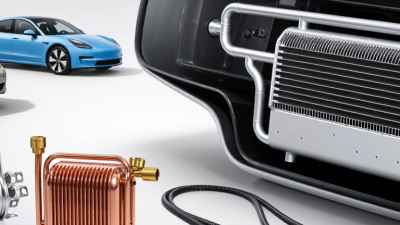
The International Energy Agency’s Global EV Outlook 2024 reports nearly 14 million electric-car sales in 2023, about 18% of global car sales. IEA Executive Director Fatih Birol described the shift in a widely reported statement: “The electric car revolution is unstoppable.” This trend matters to heating suppliers, but it does not make every heater core interchangeable. Vehicle platforms use different coolant circuits, packaging, and cabin-heating strategies. Buyers should verify application data instead of relying on broad product claims.
This guide compares China-based manufacturers through practical buying criteria: engineering support, material control, production capability, testing, and export communication. Ask for dimensions, pressure-test details, leak-check procedures, and traceable quality records. Request samples when fit or performance is uncertain. A polished catalogue is not proof. Nor is a low price. Supplier claims still need verification, and this guide cannot replace application-specific testing. That caveat matters. A capable manufacturer should explain limitations plainly, not just promise fast delivery.
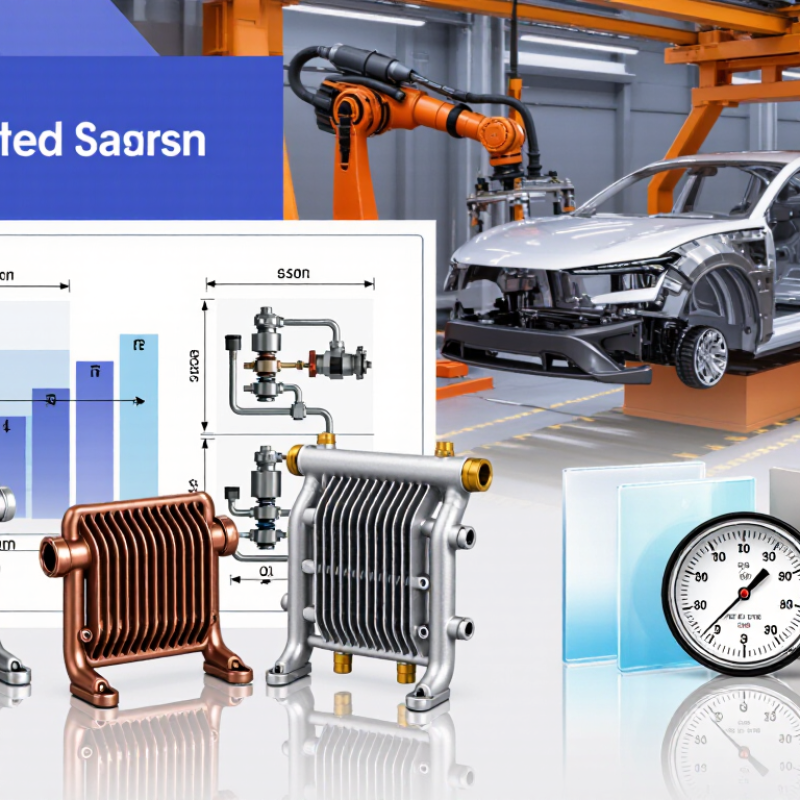
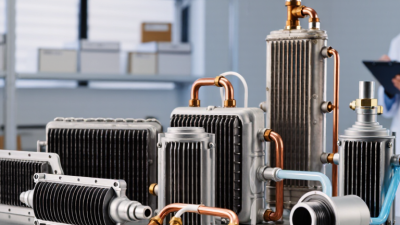
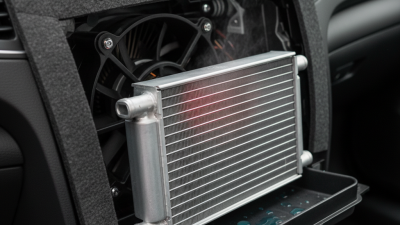
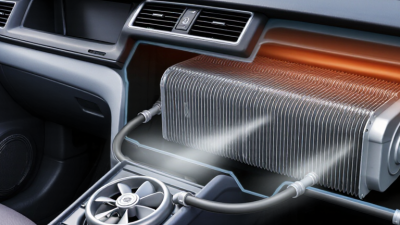
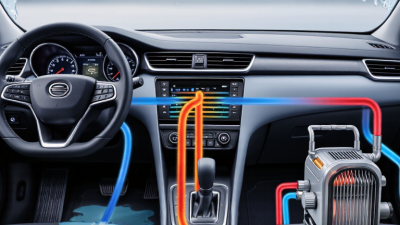
A heater core is a small heat exchanger inside a vehicle’s cabin, often tucked behind the dashboard. It uses heat from the engine rather than producing warmth on its own. Hot coolant flows through narrow tubes, while thin fins transfer heat to the air. The blower pushes that warmed air through the vents and into the cabin. On a cold morning, the change may feel gradual, especially before the engine reaches operating temperature. Small details matter. A clogged core can reduce airflow warmth, while a leak may leave a sweet smell, fogged windows, or damp carpet. These signs deserve inspection, though they do not prove the heater core is the cause.
For global buyers, construction quality affects both heating performance and service life. Consistent tube spacing helps air pass across the fins; sound joints help contain coolant under normal operating pressure. Manufacturers should verify dimensions, pressure resistance, and leak integrity, while buyers should confirm that the core matches the vehicle’s cooling system and dashboard layout. A compact design can be difficult to install if connections sit even slightly out of position. That assumption is easy to miss. Material choice also matters, but no single material is best for every vehicle or climate. A careful review of fit, testing records, and operating conditions is more useful than relying on appearance alone.
China’s Heater Core Manufacturing Landscape
China’s heater core manufacturing base benefits from a large automotive supply chain, skilled metalworking capacity, and established export infrastructure. OICA reported global vehicle production of about 93.5 million units in 2023, sustaining demand for heating and cooling components across passenger and commercial vehicles. Yet production scale alone does not guarantee consistent quality. Buyers should assess fin spacing, tube joints, corrosion protection, and pressure-test records.
The market is also adapting to electrification. The International Energy Agency’s Global EV Outlook 2024 reported nearly 14 million electric car sales worldwide in 2023. This shift is changing cabin-heating requirements and encouraging suppliers to refine thermal-management designs. For global buyers, factory audits and sample testing can reveal practical differences that catalog specifications miss. A small leak matters.
Tips: Ask for material specifications, leak-test thresholds, and traceable inspection reports. Compare samples under the same test conditions. Supply chains can be efficient, but lead times and documentation still vary.
| Product or capability | Typical construction or specification | Common applications | Checks for global buyers |
|---|---|---|---|
| Brazed aluminum heater cores | Aluminum tubes and fins joined by brazing; lightweight construction with compact heat-transfer surfaces. | Passenger cars, light commercial vehicles, and other applications designed for aluminum cooling components. | Confirm alloy and joining process, dimensions, port orientation, leak-test method, and performance against the approved drawing. |
| Copper-brass heater cores | Copper tubes and fins with brass headers; joints are typically soldered or otherwise assembled to the design specification. | Some replacement, restoration, and heavy-duty applications where the vehicle design specifies this construction. | Check material compatibility, joint quality, corrosion protection, repair requirements, and availability of the exact configuration. |
| Core geometry and fitment | Core height, width, thickness, tube arrangement, fin design, header shape, and inlet/outlet locations vary by vehicle and HVAC unit. | Vehicle-specific original-equipment and replacement parts. | Supply a drawing or sample and verify overall dimensions, mounting features, connection diameter, and port direction before production. |
| Coolant compatibility | Designed for the specified engine-coolant circuit; coolant formulations commonly use water with an appropriate glycol-based antifreeze, subject to vehicle requirements. | Automotive and commercial-vehicle cabin heating systems. | Confirm the intended coolant, operating conditions, material compatibility, and any requirements for coatings or corrosion testing. |
| Leak and pressure validation | Pressure or leak testing is selected according to the product design and customer specification; test pressure and acceptance limits are not universal. | All heater-core constructions where coolant containment is required. | Request the test method, specified limits, inspection records, and traceability for the production lot. |
| Thermal performance | Heat output depends on core design, coolant flow and temperature, airflow, and test conditions; results should be compared under the same stated conditions. | HVAC systems requiring cabin heat across specified operating conditions. | Agree on a test protocol and operating points, and request measured results rather than relying on an unspecified heat-output figure. |
| Manufacturing quality systems | Quality-system certifications and automotive process controls vary by facility; ISO 9001 and IATF 16949 are separate standards and should not be assumed without verification. | Suppliers serving automotive aftermarket, component, and vehicle programs. | Verify certificate scope, issuing body, validity, manufacturing-site address, and whether the certification covers the relevant production activity. |
| Export and packaging readiness | Packaging, labeling, documentation, and shipment terms are agreed for the destination market and order. | International aftermarket and OEM supply chains. | Confirm export packaging, part identification, documentation, order quantities, lead time, and the agreed Incoterms® rule. |
Specifications and manufacturing capabilities vary by supplier and part number. Confirm all technical values against the approved drawing, test plan, and purchase agreement.
Leading Chinese heater core manufacturers combine thermal engineering with production discipline. Their teams assess tube spacing, fin density, coolant flow, and packaging limits before tooling begins. A compact core must transfer heat without creating excessive airflow resistance. Small geometry changes matter.
Capability is visible in the test process. Reliable suppliers can document pressure-drop measurements, leak checks, thermal performance, and material traceability. Ask how samples are tested against the intended vehicle conditions, not only against a standard bench setup. A warm workshop is not a winter road test. The distinction matters.
Manufacturing flexibility also counts. Some factories can adjust tank interfaces, core dimensions, or connection angles for different applications. Clear drawings, controlled brazing, and consistent inspection help keep batches aligned. Still, a polished sample cannot guarantee stable mass production. This is easy to overlook. Buyers should review process records, request repeat samples, and discuss how defects are contained. Communication can be uneven, and specifications may need revision after fit checks. That is not always a failure; it is a reason to verify details early.
Global buyers evaluating heater core manufacturers in China should look beyond catalog photos and quoted prices. Ask how the supplier controls tube dimensions, fin spacing, and brazing quality. These details affect fit, heat transfer, and durability. Request drawings, material specifications, and inspection records for the exact model under review. A polished catalog can still leave important questions unanswered.
Product validation matters. Compare samples with your vehicle or equipment requirements, including inlet and outlet positions, core dimensions, and connection types. Ask whether leak and pressure tests are performed, and request the test conditions and acceptance criteria. If possible, inspect a production sample before approving a larger order. Clear answers help, but vague promises deserve follow-up. No supplier is perfect; even experienced buyers can overlook a small fitment mismatch.
Tips: Send a written checklist with your inquiry. Confirm packaging, production lead time, and replacement-part support. Keep one approved sample as a reference. Small details matter. When evaluating suppliers, consider response consistency alongside price, and document any specification changes before production begins.
For global buyers, sourcing a heater core manufacturer in China begins with clear technical specifications. Share vehicle models, core dimensions, tube layout, material requirements, and annual volume. Ask suppliers how they control incoming materials and verify brazing, leak resistance, and dimensional tolerances. A sample should match the production drawing, not merely look similar. Keep records. Request inspection reports tied to specific batch numbers, and clarify how defects are handled before placing a large order. A pressure test can reveal leaks, but it does not replace checks for fit, corrosion resistance, or consistent workmanship. No single test tells the whole story.
International shipping needs attention early, not after production is complete. Confirm carton dimensions, protective packing, pallet requirements, shipping terms, and the documents your customs broker needs. Heater cores can be damaged by vibration or moisture, so ask how ports and connections are protected inside each package. Compare sea and air freight using total landed cost, including insurance and local handling, rather than freight rates alone. Build time for inspection and transport delays into the delivery plan. Even a careful checklist has blind spots; comparing the first shipment with installation feedback may expose them. That review is easy to postpone.
Plainfield, 60585, 60544, 60586, Naperville, 60564, Bolingbrook, 60490, 60440, Romeoville, 60446, Will, Kendall, DuPage, Counties. Our auto repair shop in Plainfield, IL, has been serving the local area plus all surrounding Chicagoland since 1978.
• Computer Diagnostic • Brake Shop • Engine Replacement • Transmission Rebuild • Clutch Replacement • Differential Rebuild • Suspension Shop • Steering • Shocks & Struts • Heating & Cooling • Electrical • Exhaust Shop • Catalytic Converter Replacement • Alignment • Domestic & Foreign Vehicle Service • Auto Repair In Plainfield, IL • Auto Repair Shops Near Me • Towing Service Near Me